Pellet Stove vs Tent Wood Stove Explained
Pellet Stove vs. Tent Wood Stove: Which One Is Right for Your Outdoor Adventures?
When it comes to heating your outdoor shelter, the choice between a pellet stove and a traditional tent wood stove can significantly impact your camping experience. Both options have distinct advantages and trade-offs, and understanding them will help you make an informed decision based on your needs, environment, and camping style.

Fuel Type and Availability
The most obvious difference lies in what you burn. A tent wood stove uses firewood—something you can typically find at your campsite or purchase locally wherever you travel. This makes wood stoves incredibly versatile for remote camping, backcountry trips, and situations where you don't know the details in advance. As long as there's dead wood around, you're set.
A pellet stove, on the other hand, requires manufactured wood pellets. These are convenient, consistent in quality, and burn more cleanly than raw wood. However, you need to source and transport pellets ahead of time, which limits spontaneity. Pellets also take up storage space, cost money and add weight to your gear.
Heating Efficiency and Control
Tent wood stoves rely on the natural combustion of wood, which means heating output varies based on wood quality, moisture content, and how well you manage the fire. This unpredictability can be part of the charm—but it also means you're tending the stove constantly to maintain warmth.
Pellet stoves offer precise temperature control when everything is running smoothly. In theory, they can burn hotter and more consistently, use can fuel more efficiently, and some models allow you to dial in your desired temperature. For extended trips where you want steady, hands-off heating, pellet stoves excel. The risk is fire creeping its way into the hopper.
Portability and Setup
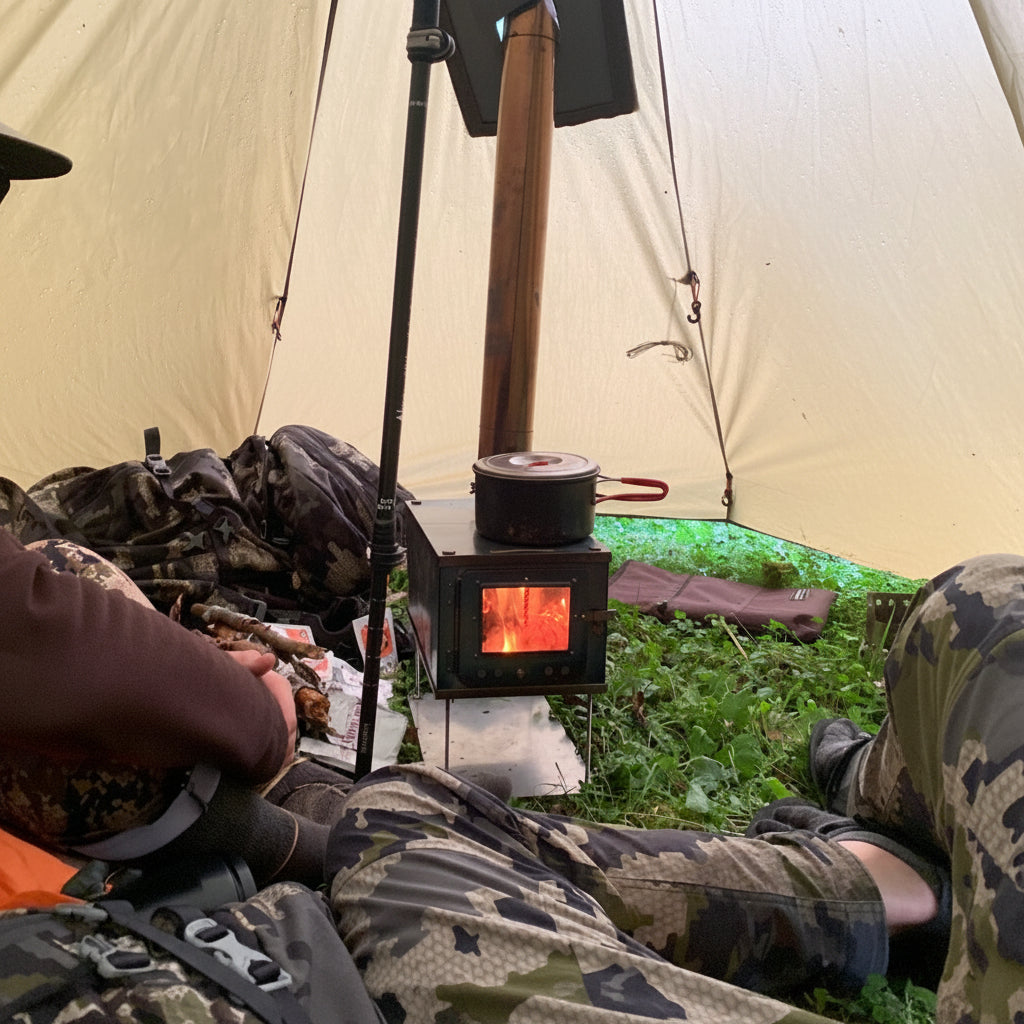
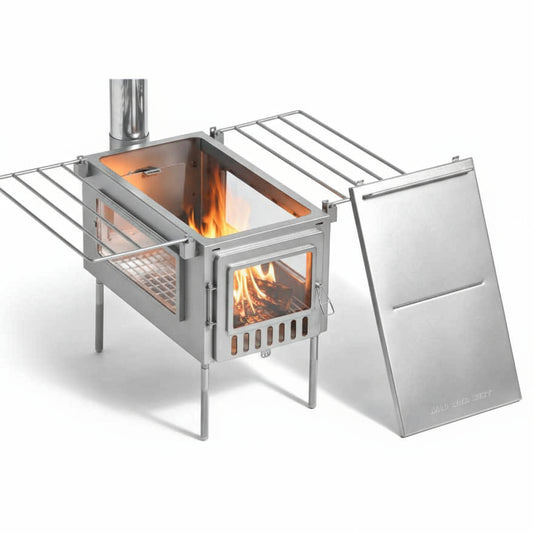
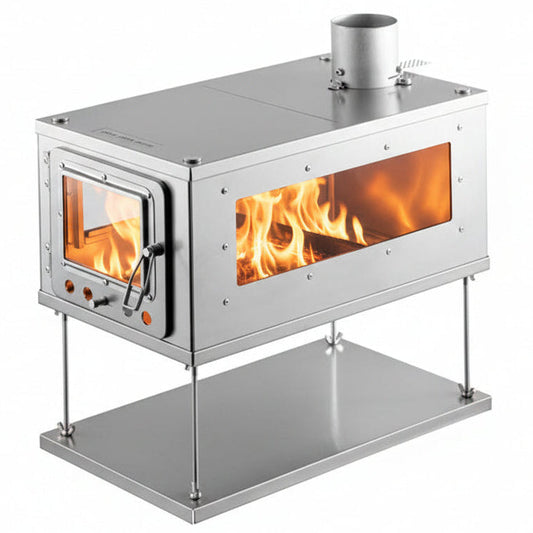
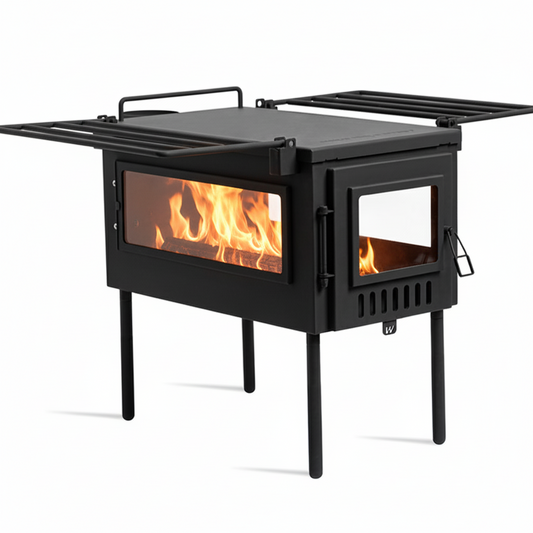
A quality tent wood stove is typically lightweight and simple to set up. There are no batteries, electronics, or moving parts to fail. You assemble the chimney, position the stove, and light a fire—it's that straightforward. This reliability is invaluable in the backcountry where repairs aren't an option.
Pellet stoves are heavier due to their combustion chamber design and electronic components. They also can require power (usually batteries or solar charging) to operate the auger and controls. If your battery dies or temperatures plummet, you may lose heating capability mid-trip.
Cost Considerations
Tent wood stoves have a lower upfront cost and no recurring fuel expense beyond locally sourced firewood. Long-term, they're the economical choice for frequent campers.
Pellet stoves cost more initially and require ongoing pellet purchases. However, their efficiency means you burn less fuel overall, which can offset some of that expense on longer trips.
Which Should You Choose?
Choose a tent wood stove if you prioritize simplicity, reliability, spontaneity, and lightweight gear. It's ideal for backcountry expeditions, remote camping, and situations where you can't plan fuel supplies in advance.
Choose a pellet stove if you value the theory of precise temperature control and less active fire management. It's better suited for next to truck campsites not in the backcountry.
Your tent, your planned duration, your destination's regulations, and your personal comfort preferences all play a role in the right decision for you.