5 Beginner Hot Tent Camping Mistakes Explained
Hot tent camping is an incredible way to extend your season and experience the backcountry in comfort. But jumping into it without proper preparation can quickly turn a dream trip into a frustrating ordeal. Here are five critical mistakes that catch most beginners off guard—and how to avoid them.

Mistake #1: Not Learning Wood Stove Fire Management Skills
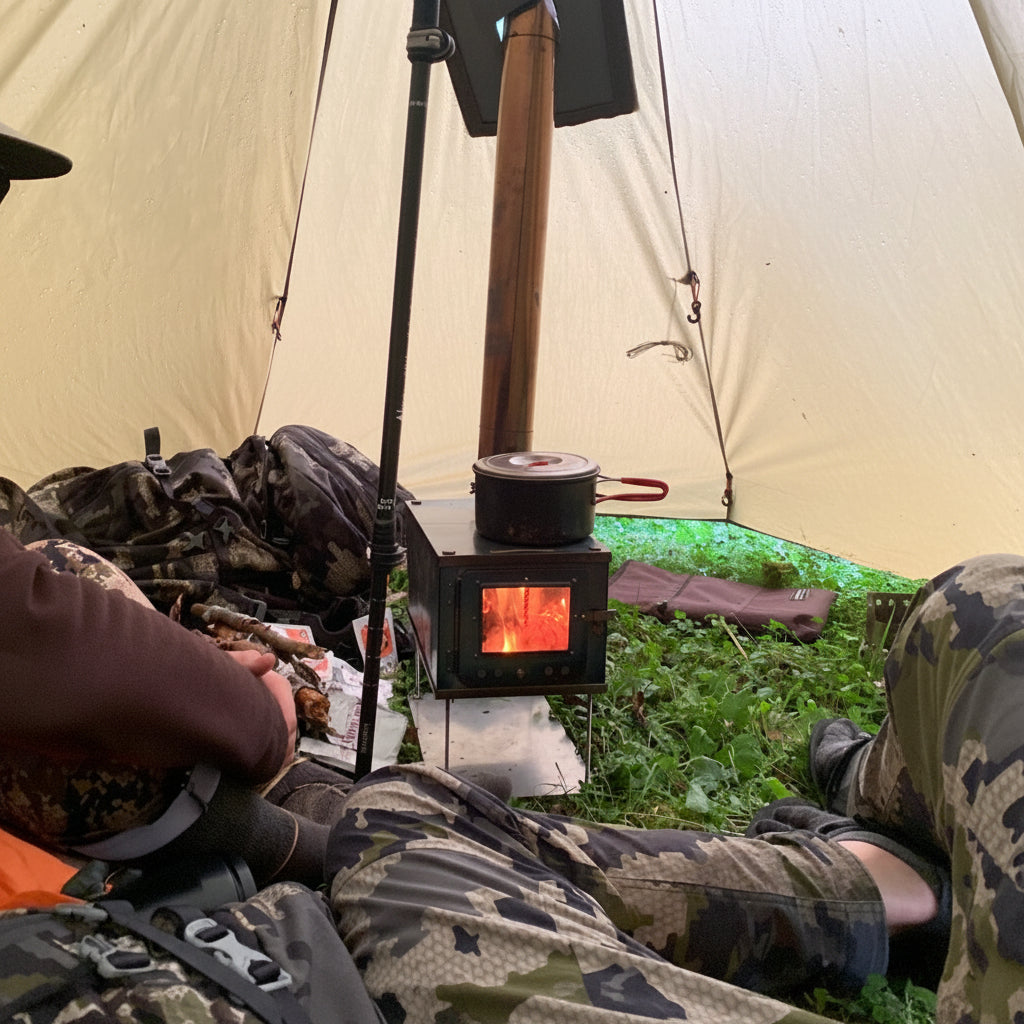
A hot tent wood stove is not a traditional campfire. It requires active management, and poor fire handling can lead to excessive smoke, wasted fuel, or dangerously poor draft. Before your first trip, spend time learning how to build efficient fires, control burn rate with damper adjustments, and recognize when your stove needs cleaning or maintenance. Practice at home or in your yard with your exact stove model. Understand how to start a fire cold, build a thick coal base, maintain it through the night, and safely extinguish it in the morning. This skill is non-negotiable for safe and comfortable camping.
Mistake #2: Burning Unseasoned Firewood
Wet or green firewood is the enemy of hot tent comfort. Unseasoned wood produces excessive smoke, creosote buildup in your chimney, and far less heat output. It's also a fire hazard. Always source firewood that has been dried off the ground for at least 6–12 months, depending on wood type and climate. The moisture content should be below 20%. If you're backpacking to a remote location, plan your wood procurement as carefully as you plan your food.
Mistake #3: Incorrect Chimney Pipe Height
Your chimney exit height directly affects draft and safety. If your pipe is too short, you'll lose heat and create a smoking tent. If it's too tall relative to the tent's peak, you risk poor draft and uneven heating. Most hot tent stoves perform best with the chimney exiting 12–15 inches above the tent's apex. Check your specific stove manufacturer's recommendations and test your setup before heading into the field.
Mistake #4: Not Having the Proper Sleep System for the Conditions
A hot tent stove keeps your tent warm, but it doesn't heat your sleeping bag. Many beginners arrive with a summer-weight bag expecting the stove alone to keep them warm through freezing nights—and then they shiver anyway. Your sleeping bag, pad, and layers must still match the temperature conditions you'll face. A stove provides ambient warmth and comfort, but your sleep system is your personal thermostat. Invest in a quality insulated pad and a bag rated for the lowest temperature you expect. Test your full sleep setup at home before committing to a multi-day adventure.
Mistake #5: Not Practicing Tent and Stove Setup at Home First
Setting up a hot tent system for the first time in the field is stressful and error-prone. You'll fumble with chimney sections, misjudge ventilation, and waste time troubleshooting in the dark. Instead, practice your complete setup in your backyard or a nearby park or campground before your big trip. Assemble the tent, position the stove, run the chimney, test the damper, and light a fire. Time yourself. Identify tight spots or missing hardware. Get comfortable with the routine so that on your actual advennture, setup is second nature and you can focus on enjoying the experience.
Hot tent camping rewards preparation and respect for the equipment. Take these lessons seriously, and your first trips will be warm, safe, and truly memorable.