Adding a Wood Stove to a Family Style Tent for Camping
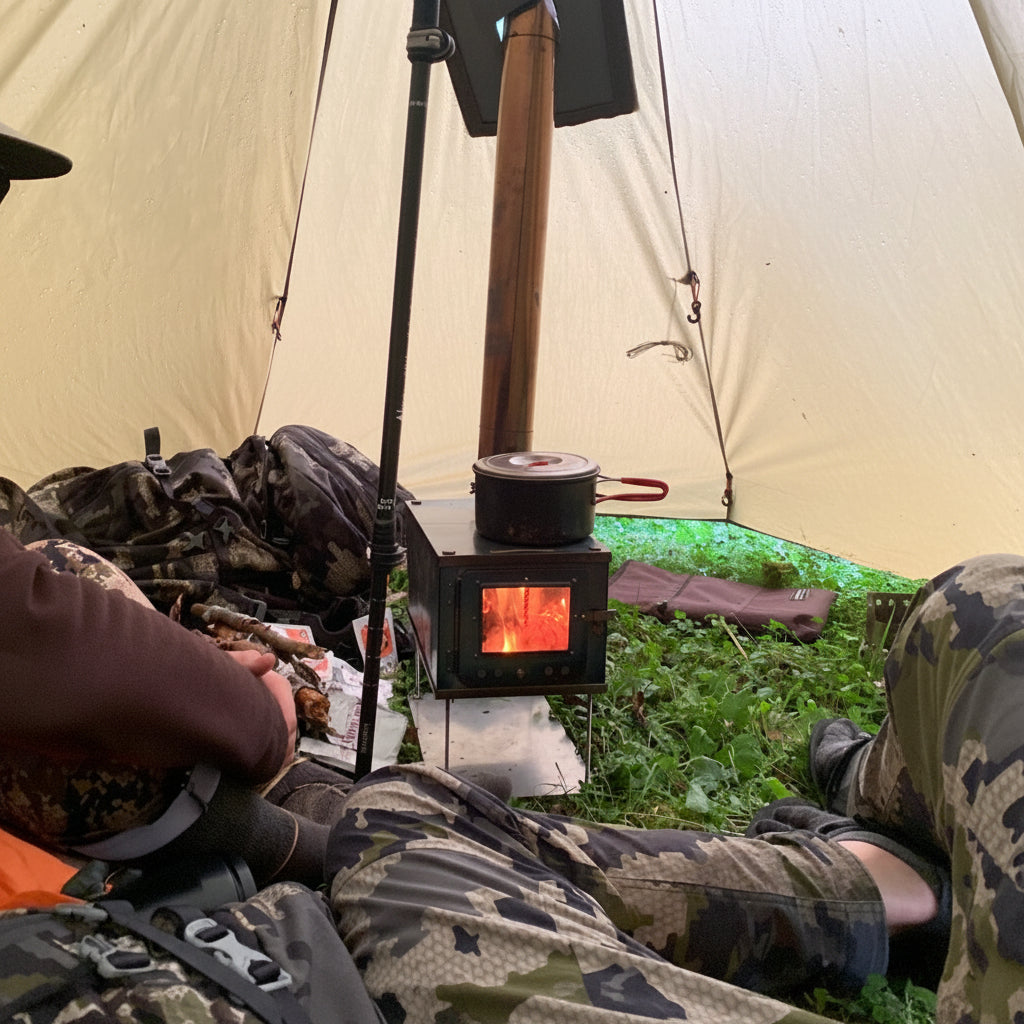
Adding a wood stove to a family tent transforms your camping experience from basic shelter into a cozy basecamp. Whether you're planning a winter adventure or an extended autumn trip, a properly installed wood stove brings warmth, the comfort of a fire, and the ability to cook meals in any weather. Here's what you need to know to do it safely and effectively.

Choosing the Right Tent for a Wood Stove
Not every tent can accommodate a wood stove. You'll need a family tent with a large enough footprint to safely distance the stove from walls and gear. Hot tents—tents specifically designed with a stove jack —are your best option. These tents feature a dedicated opening for the stovepipe. If you're using a standard tent, verify that the design has a place where the stove jack can exit a single wall, like a awning or vestibule area, and that you have adequate clearance around the stove and away from the inner tent bug netting.
Essential Safety Clearances
Proper spacing is critical. Your wood stove should be positioned at least 3 feet away from tent walls and any flammable materials like sleeping bags, backpacks, or stored gear. The stovepipe itself requires even more clearance—typically 18 inches from fabric surfaces. Use a stove mat under the stove to protect the tent floor from possible heat damage and embers. Never place the stove directly on the ground without protection.
Ventilation and the Stove Jack
A stove jack is a reinforced opening in the tent roof designed to safely pass the stovepipe through. If your tent has one, use it. If it doesn't, it's possible to add one. The jack prevents heat from concentrating on a single point of fabric and allows smoke to exit efficiently. Proper ventilation ensures carbon monoxide doesn't accumulate inside the tent.
Fuel Selection and Storage
Seasoned hardwood is your best fuel choice—it burns hotter and produces less creosote than softwood. Store firewood in or outside the tent in a dry location. Keep a fire extinguisher or water nearby as a precaution.
Cooking on Your Wood Stove: Creating a Camp Kitchen
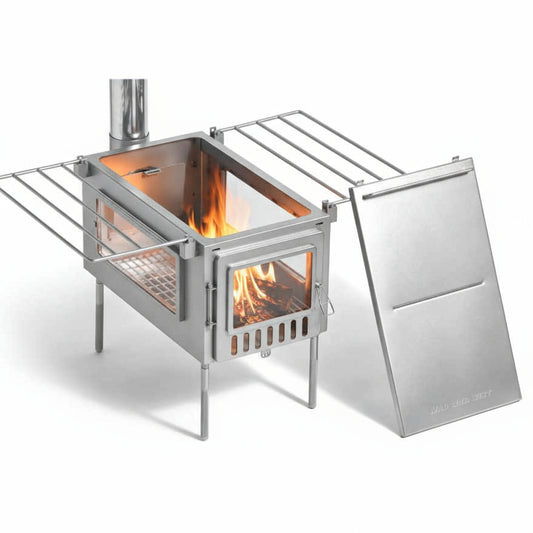
One of the greatest advantages of a wood stove in your family tent is the ability to cook hot meals regardless of weather conditions. Your stove becomes the centerpiece of a functional camp kitchen, allowing you to prepare everything from morning coffee to hearty dinners without stepping outside into rain, snow, or wind.
Setting Up for Success
Position your stove on level ground to prevent tipping. Ensure the tent has adequate airflow by cracking a door or vent opposite the stove to maintain oxygen levels and prevent backdrafting. Start with small fires and monitor the stove closely during your first use. Never leave a burning stove unattended, and consider fully extinguish it before sleeping or leaving the tent.
Maintenance and Care
Check your stovepipe regularly for creosote buildup, which can cause chimney fires. Clean the pipe before each trip if you use the stove frequently. Inspect the tent fabric around the stove jack for damage or discoloration. A well-maintained setup will serve you reliably for years of comfortable camping.
With the right equipment and careful attention to safety, a wood stove in your family tent creates a warm gathering space that makes extended trips more enjoyable and opens up camping possibilities in colder seasons.