Are Collapsible Wood Stoves Safe Inside a Tent?
Are Collapsible Wood Stoves Safe Inside a Tent?
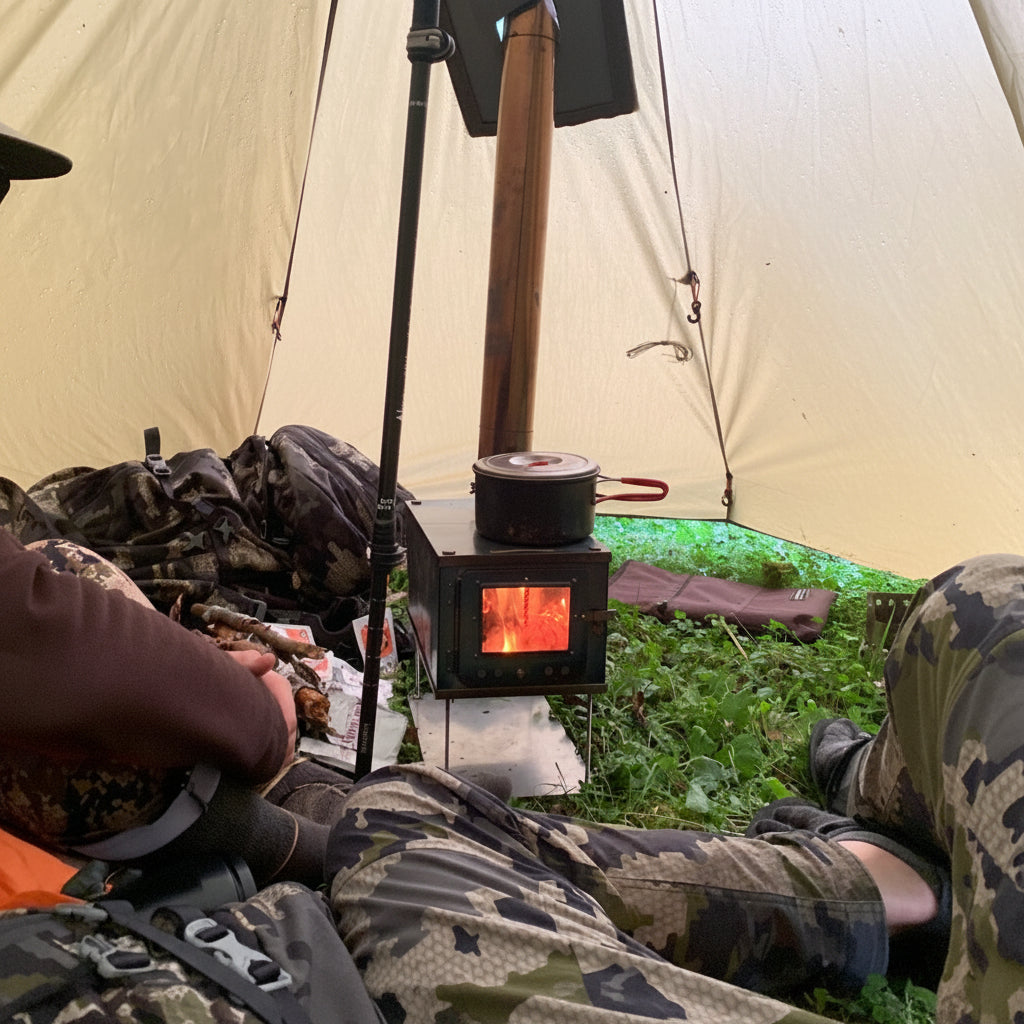
Collapsible wood stoves have become increasingly popular among campers and outdoor enthusiasts, especially those using hot tents for winter camping. But the question of safety is one that deserves a thorough answer. The short version: yes, collapsible wood stoves can be safe inside a tent when used correctly, but there are critical considerations you need to understand.

Understanding the Basics
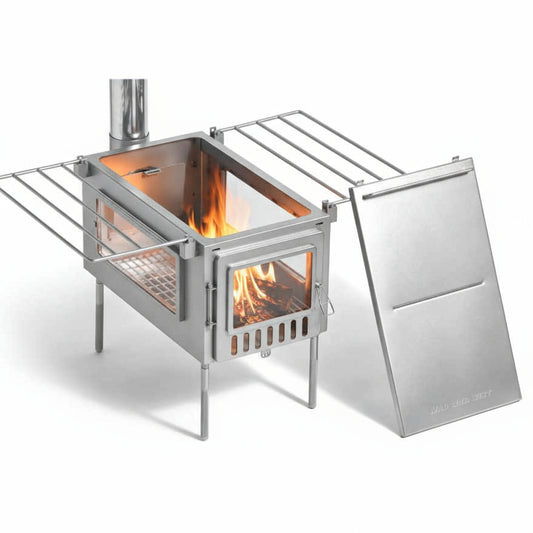
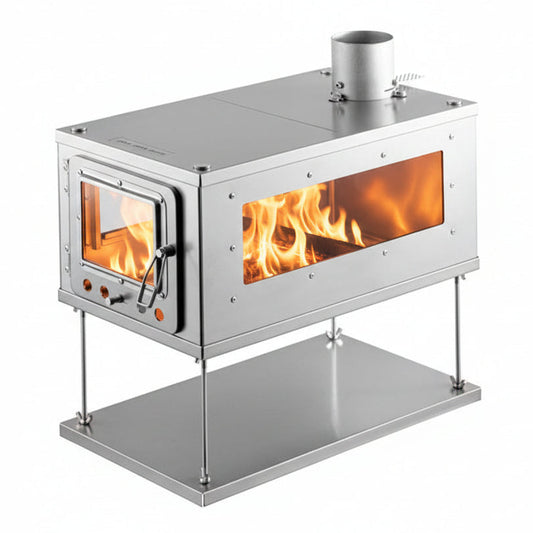
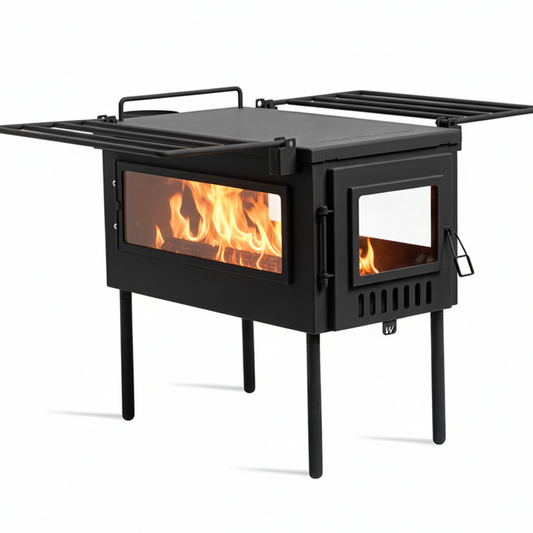
A collapsible wood stove is designed to provide heat and cooking capability in a compact, portable form. Unlike traditional campfires, these stoves contain the flame and direct heat output, which is why they're suitable for tent use. However, "suitable" doesn't mean risk-free. The safety of your setup depends on a proper tent stove jack, ventilation, and ongoing attention.
Ventilation Is Non-Negotiable
The most critical factor in safe tent stove use is adequate ventilation. Wood stoves produce carbon monoxide as a byproduct of combustion. Without proper airflow, this odorless, colorless gas can accumulate to dangerous levels inside your tent. This is why hot tents are specifically designed with stove jacks—openings that allow the stovepipe to exit while maintaining a seal that prevents drafts and heat loss.
Never attempt to use a collapsible wood stove in a standard tent without a proper stove jack installation. The risk of melting your tent or carbon monoxide poisoning is real and potentially fatal.
Clearance and Heat Protection
Your stove needs adequate clearance from tent fabric and any flammable materials. Most manufacturers recommend a minimum distance—typically 2 to 5 feet—between the stove and tent walls. The stovepipe itself gets extremely hot and requires even more careful spacing. Heat reflectors or protective barriers can help, but they're not substitutes for proper clearance.
The ground beneath your stove also matters. Use a non-flammable base like a fire-resistant mat to protect the tent floor from heat damage and potential ignition.
Fuel Quality and Burning Practices
Consider burning only dry, seasoned firewood in your collapsible stove. Wet or green wood produces excessive smoke and creosote buildup, which increases chimney fire risk and reduces heating efficiency. Hardwoods like oak and maple burn cleaner and hotter than softwoods.
Never leave a burning stove unattended, and the fire is completely extinguished before sleeping. Keep a fire extinguisher or water source nearby as a precaution.
Regular Maintenance Matters
Inspect your stove and stovepipe regularly for damage, rust, or gaps. Even small cracks or loose connections can leak dangerous gases or allow sparks to escape. Clean the stovepipe periodically to prevent creosote accumulation, which can lead to chimney fires.
The Bottom Line
Collapsible wood stoves are a proven heating solution for hot tent camping when used responsibly. The key is respecting the equipment, understanding the risks, and following best practices for ventilation, clearance, and maintenance. Invest in a quality stove designed for tent use, pair it with a properly equipped hot tent, and always prioritize safety over convenience. When done right, a wood stove transforms your cold weather camping experience into something truly special.