Are Tent Wood Stoves Safe for Sleeping Overnight?
Is a Tent Wood Stove Safe for Sleeping?
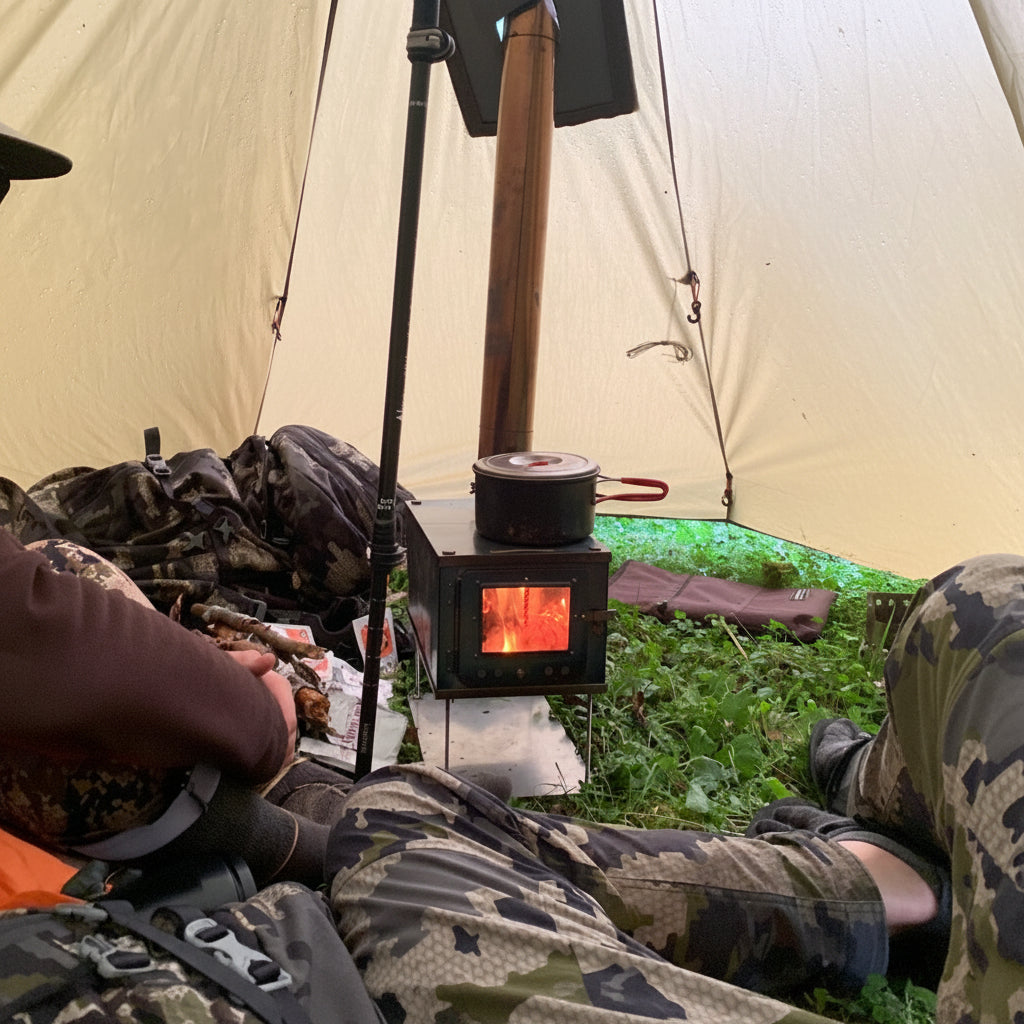
One of the most common questions we hear from backcountry enthusiasts is whether it's safe to sleep in a tent with a wood stove running. The short answer is yes—but only when you follow proper safety protocols and use the right equipment.
A tent wood stove can provide life-saving warmth during cold nights in the wilderness. However, the risks are real if you're not careful. The primary concerns are carbon monoxide poisoning, fire hazards, and inadequate ventilation. Understanding these risks and how to mitigate them is essential before you rely on a stove for overnight heating.

Carbon Monoxide: The Silent Threat
The biggest danger when sleeping with a wood stove is carbon monoxide (CO) buildup. Wood stoves produce CO as a byproduct of combustion, and in a fully enclosed and sealed tent, this gas can accumulate to dangerous levels if ventilation is poor.
To stay safe, ensure your tent has proper airflow. Most quality hot tent designs include a dedicated stove jack hole that allows smoke to exit while minimizing heat loss. Never seal your tent completely—you need fresh air intake to support combustion and dilute any CO that forms. A small gap, crack a door or vent on the opposite side of the stove helps create cross-ventilation.
If you're concerned about CO levels, consider carrying a battery-powered carbon monoxide detector. These are lightweight, affordable, and provide peace of mind during extended cold-weather camping trips.
Fire Safety Essentials
Wood stoves get extremely hot—often reaching temperatures that can ignite fabric or other materials on contact. Keep your sleeping bag, tent walls, and any gear at least 3 feet away from the stove.
Never leave a burning stove unattended, and always fully extinguish it before leaving camp. Allow the stove to cool completely before breaking down your campsite. Keep a fire extinguisher or water source nearby as a precaution, though prevention through proper spacing and attention is your best defense.
Choosing the Right Setup
Not all tents are suitable for wood stoves. Hot tents—specifically designed with reinforced stove jack, floorless ventilation, and stove-ready features—are your safest option. These tents have been engineered to handle the heat and airflow requirements of a wood stove.
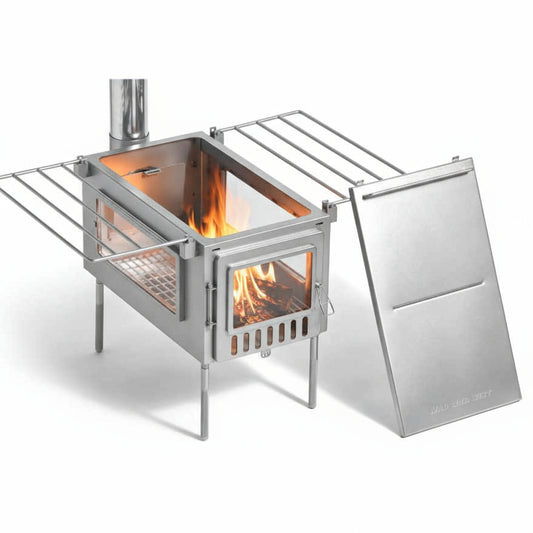
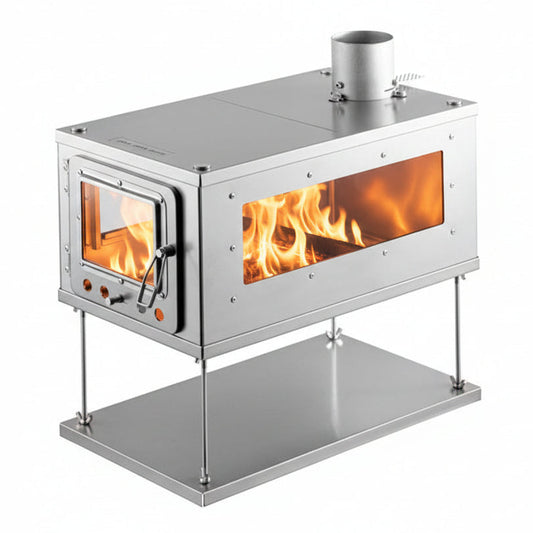
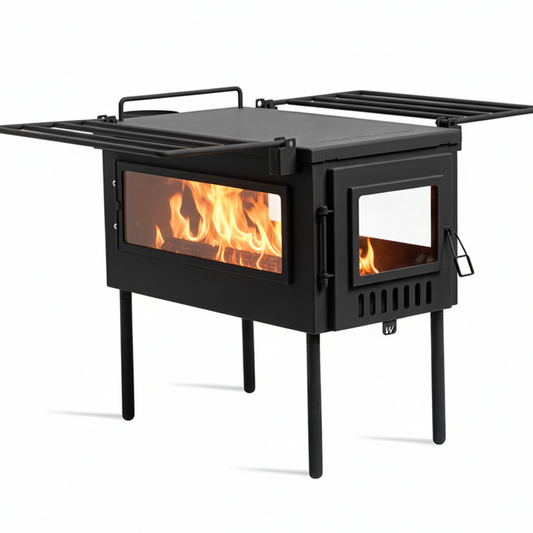
Pair your tent with a quality stove that's appropriately sized for your shelter. An oversized stove can overheat the space and create unnecessary fire risk, while an undersized stove won't provide adequate warmth. Look for stoves with sturdy legs, secure door latches, and durable construction.
Best Practices for Safe Overnight Use
Before you sleep, let the stove burn down to coals rather than a roaring fire. Coals provide steady, consistent heat with less risk of flare-ups. Check your ventilation one more time—you should feel a slight draft near the stove.
Keep your sleeping area organized so you won't stumble toward the stove if you need to get up during the night. Store firewood in a safe space inside the tent to prevent it from drying out excessively and creating a fire hazard. In the morning, rekindle the fire slowly and ensure the stove is drawing properly before adding more wood.
With the right tent, proper ventilation, careful fire management, and attention to safety protocols, sleeping in a tent with a wood stove is not only safe—it's one of the most comfortable ways to experience while camping outdoors. The key is preparation, awareness, and respect for the equipment you're using.