Why Your Tent Wood Stove Only Burns for an Hour
Understanding Short Burn Times in Tent Wood Stoves
If your tent wood stove is only burning for about an hour before the fire dies down, you're not alone. Many outdoor enthusiasts encounter this frustration, especially when they're expecting a longer, more sustained heat source during cold nights in the backcountry. The good news is that short burn times usually stem from a few common, fixable issues.

Wood Quality and Moisture Content
The most common culprit behind short burn times is wet or improperly seasoned wood. Wood that hasn't been dried sufficiently will burn quickly and produce less heat because much of the energy goes into evaporating moisture rather than generating warmth. Aim for firewood with a moisture content below 20 percent—ideally between 15 and 18 percent.
When you're camping, gather dead wood that's been naturally seasoned off the ground or in trees. Avoid freshly cut wood, green branches, or anything that feels damp by with weight in your hand. Split your wood into smaller pieces before starting your fire; thinner logs ignite more easily and burn more efficiently than thick chunks.
The Power of Coals Over Flames
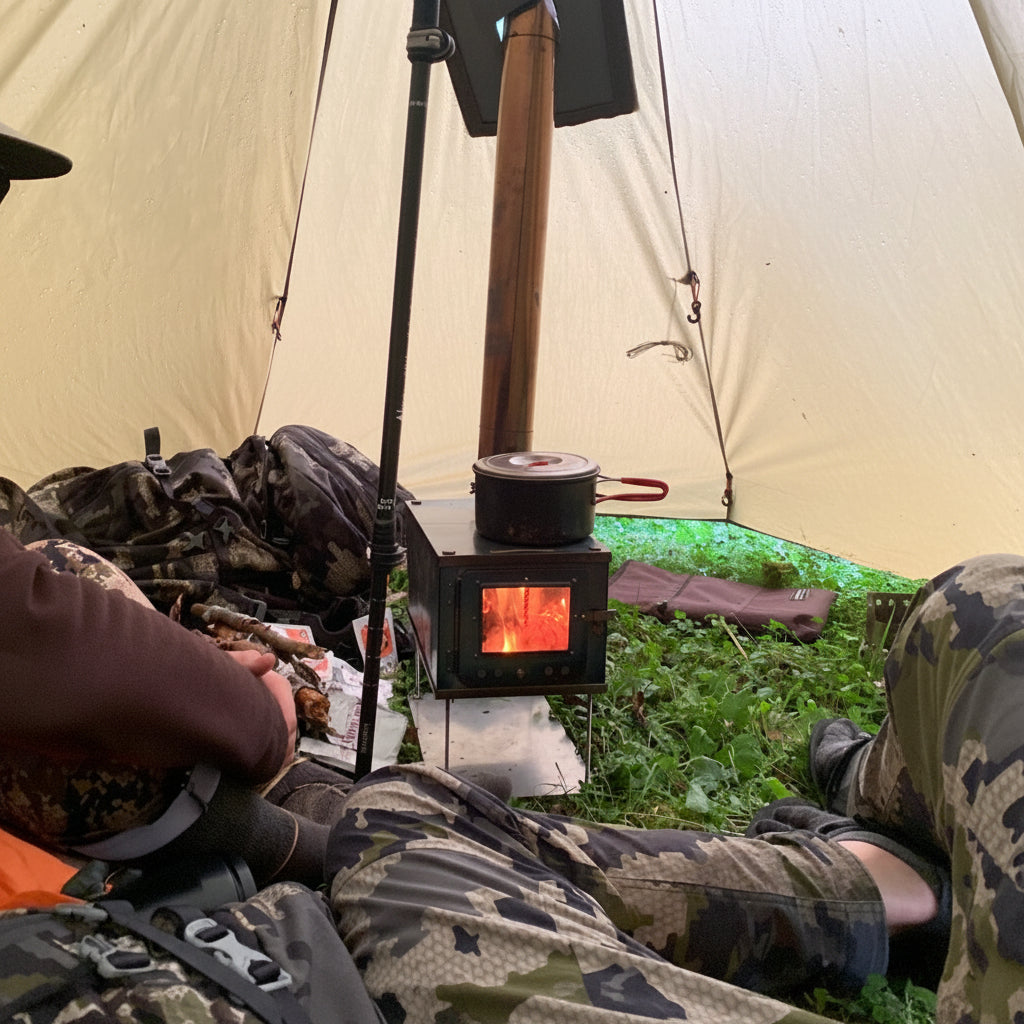
One of the most overlooked secrets to extending your tent wood stove's burn time is shifting your focus from flames to coals. Many campers make the mistake of constantly feeding the fire to maintain visible flames, which actually accelerates fuel consumption and shortens overall burn duration. The real heat and longevity come from a bed of glowing coals rather than active flames.
Coals burn at a lower temperature than flames but release heat much more slowly and steadily. A stove filled with hot coals will provide consistent warmth for hours, while the same amount of wood burning as active flames might only last an hour. This is why experienced wood stove users let their fires burn down to coals and then carefully manage airflow to keep those coals glowing rather than reigniting flames.
To maximize coal production, allow your initial fire to burn down naturally after loading your stove. Once you have a solid bed of coals, reduce your damper opening slightly to slow the burn rate. This creates a longer, more efficient burn cycle. You can add small pieces of wood periodically to maintain the coal bed without creating a roaring flame that consumes fuel rapidly.
The key is patience and restraint. Resist the urge to keep your fire visibly flaming throughout the night. Instead, aim for a stove that glows with a bed of active coals, which will keep your tent warm and comfortable for many more hours than you'd get from chasing flames.
Stove Size and Load Capacity
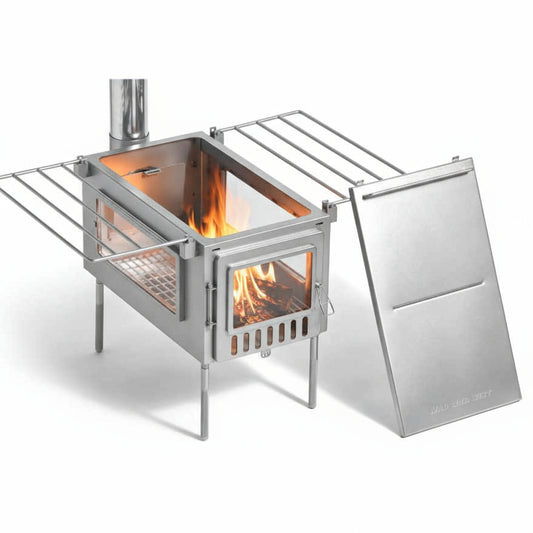
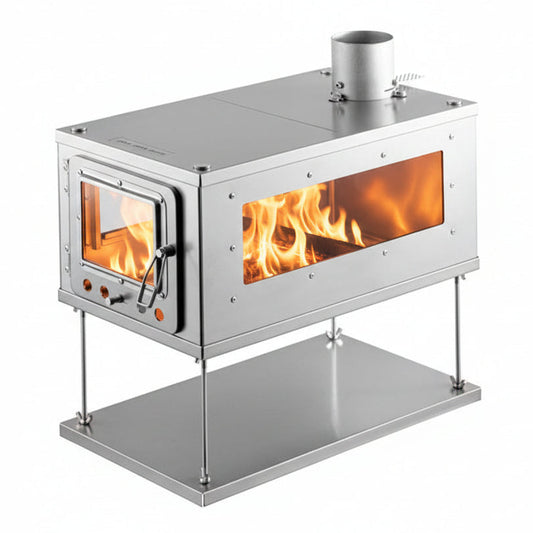
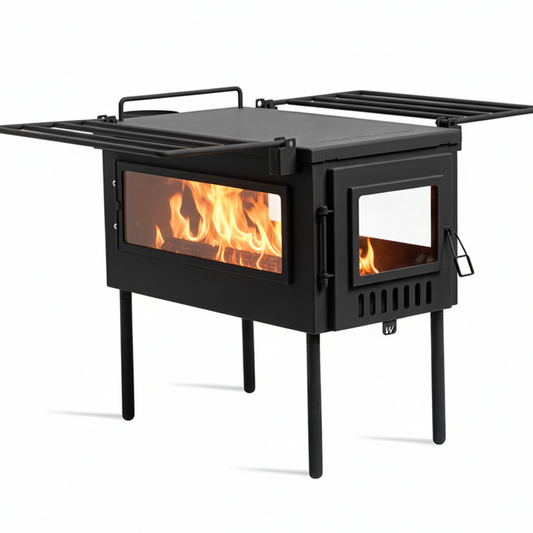
Tent wood stoves come in various sizes, and smaller models naturally have shorter burn times simply because they hold less fuel. If you're loading your stove with small pieces of wood or not filling it completely, you'll get shorter burns. Pack your stove efficiently by arranging wood pieces so they fit snugly without crushing them, which would restrict airflow.
Larger stoves designed for bigger tents or extended trips will hold more wood and burn longer. If you're consistently disappointed with burn time, upgrading to a larger capacity stove might be the right solution for your camping style.
Airflow and Damper Settings
Your stove's damper controls how much oxygen reaches the fire. If the damper is too open, the fire burns hot and fast, consuming fuel quickly. If it's too closed, the fire smolders and produces less heat. Finding the right balance takes practice, but generally, you want enough airflow to maintain a steady flame without roaring flames that consume wood rapidly.
Check that your stove's air vents and spark arrestor aren't blocked by ash or debris. A clogged vent restricts oxygen flow and can cause inefficient burning. Clean your stove regularly, especially between camping trips.
Chimney Draft and Installation
Poor draft in your chimney system can significantly reduce burn efficiency and duration. Make sure your stove pipe is properly installed with adequate height and minimal bends. A chimney that's too short or poorly angled won't draw smoke effectively, which means the fire won't burn as hot or as long.
Ensure your tent has adequate ventilation so that the stove can pull fresh air efficiently. A tent that's too sealed will starve the fire of oxygen, leading to shorter, weaker burns.
Fuel Type Matters
Hardwoods like oak, maple, and birch burn longer and hotter than softwoods like pine or spruce. If you're gathering wood in the field, prioritize hardwoods when possible. Softwoods contain more resin and burn faster, which explains why a pine fire might only last an hour while a hardwood fire could sustain for several hours.
Getting the Most from Your Stove
To extend your burn time, focus on using properly seasoned hardwood, loading your stove efficiently, and fine-tuning your damper settings. Keep your stove clean and well-maintained, and ensure your tent setup supports good draft. With these adjustments, you should see a noticeable improvement in how long your tent wood stove keeps burning and how much heat it provides during your outdoor adventures.