Backpacking Gas Stove vs Tent Wood Stove: Pros and Cons
Backpacking Gas Stove vs Tent Wood Stove: Which Is Right for Your Adventure?
When it comes to heating and cooking in the backcountry, two popular options stand out: lightweight backpacking gas stoves and portable tent wood stoves. Each has distinct advantages, and the right choice depends on your camping style, environment, and priorities. Let's break down the key differences to help you decide.

Backpacking Gas Stoves: Lightweight and Convenient
Backpacking gas stoves are engineered for minimalist adventurers. They're compact, weigh just a few ounces, and ignite instantly with a simple click. These stoves use pressurized fuel canisters—typically isobutane or propane blends—that screw directly onto the burner unit.
Advantages: Gas stoves excel in speed and simplicity. You can boil water for coffee or a quick meal in minutes without gathering fuel. They're ideal for fast-moving trips where weight matters, and they work reliably in most weather conditions. Setup is straightforward, and cleanup is minimal.
Limitations: Fuel canisters are single-use and create waste. Performance drops in extreme cold, and you're dependent on finding compatible fuel canisters wherever you travel. They're also less suitable for extended trips in remote areas where resupply isn't possible.
Tent Wood Stoves: Warmth, Ambiance, and Self-Sufficiency
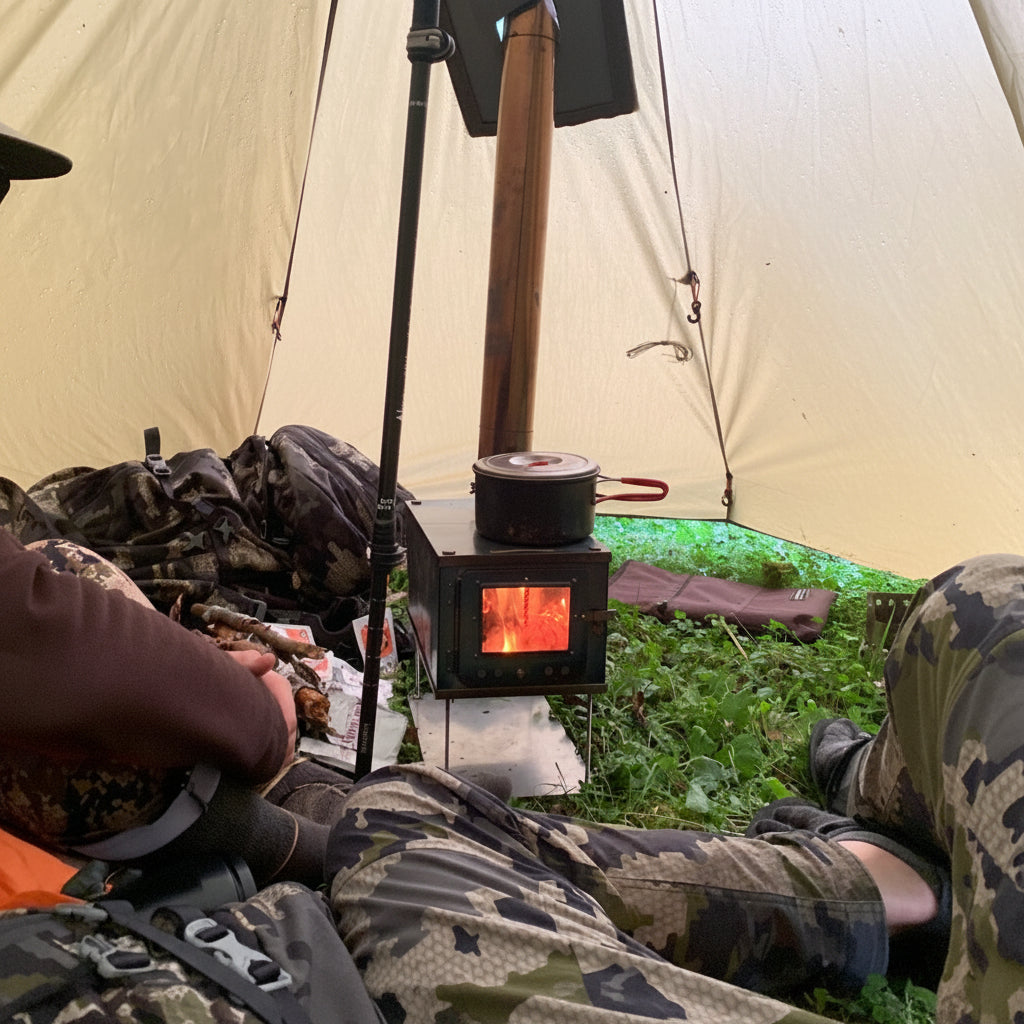
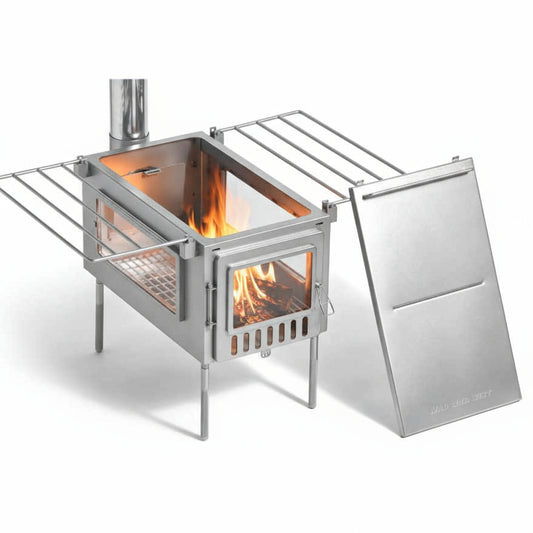
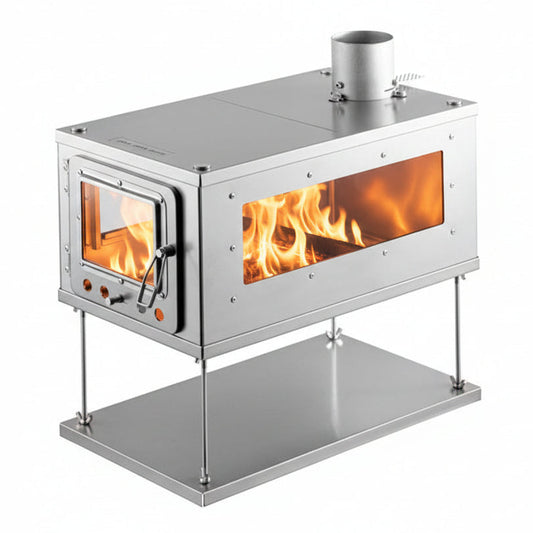
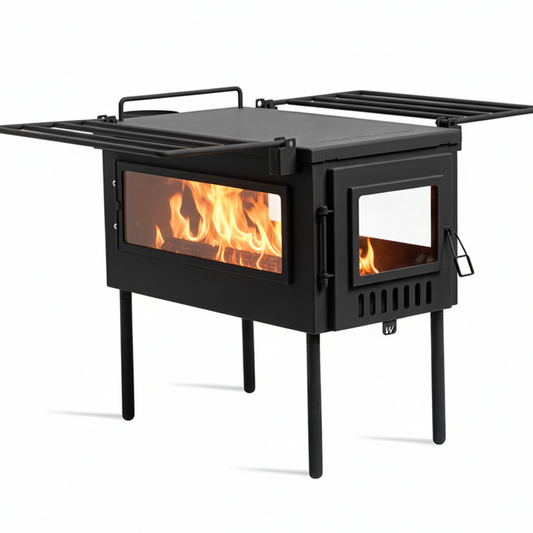
Tent wood stoves are a different beast entirely. These compact metal stoves burn wood, and are designed to fit inside canvas or specialized hot tents. They provide radiant heat that warms your entire shelter, not just your cooking pot.
Advantages: Wood stoves offer unmatched warmth for cold-weather camping and winter expeditions. Fuel is free and abundant in most environments—just gather deadfall around your campsite. They create a cozy, inviting atmosphere and work equally well in extreme cold. For extended backcountry trips, wood stoves eliminate fuel logistics entirely.
Limitations: Wood stoves are heavier and require a compatible hot tent or shelter with a proper stove jack and fire safety features. They demand more setup time, skill in fire management, and careful attention to safety. You also need to locate dry wood, which can be challenging in wet conditions or above treeline.
Comparing the Essentials
Weight: Gas stoves win decisively for ultralight backpacking. A complete gas stove system weighs 4–8 ounces. Titanium wood stoves typically weigh 2–5 pounds, plus the tent required to use them safely.
Fuel Cost: Wood stoves are cheaper long-term since fuel is free. Gas canisters add up over multiple trips, especially for frequent campers.
Heat Output: Wood stoves provide superior ambient heating for your shelter. Gas stoves heat only what's directly above the flame—excellent for cooking, limited for warmth.
Skill Required: Gas stoves are beginner-friendly. Wood stoves require knowledge of fire safety, ventilation, and proper stove operation.
Environmental Impact: Gas canisters create waste, though many are recyclable. Wood stoves use renewable fuel but require responsible harvesting practices.
Which Should You Choose?
Choose a gas stove if you prioritize lightweight gear, fast setup, and simplicity. They're perfect for summer backpacking trips, alpine adventures, and minimalist adventures where every ounce counts.
Choose a wood stove if you're planning extended winter camping, car camping with a hot tent, or multi-week expeditions where fuel resupply is impractical. They're also ideal if you value self-sufficiency and the comfort of ambient heat.
Many experienced campers own both. A gas stove handles quick trips and shoulder seasons, while a wood stove becomes invaluable for serious cold-weather adventures. Your choice ultimately reflects your camping philosophy—speed and minimalism, or comfort and self-reliance.