Bikepacking with Collapsible Tent Wood Stove for Cold Weather
Bikepacking combines the freedom of cycling with the self-sufficiency of backcountry camping. When you're pedaling into remote terrain with everything you need strapped to your bike, every ounce matters—and every piece of gear needs to earn its place. A collapsible tent wood stove opens up possibilities that traditional camping setups simply can't match.
The appeal of bikepacking lies in access. You can reach alpine meadows, remote ridgelines, and quiet valleys that most travelers never see. But those destinations often lack the creature comforts of established campgrounds. Temperatures drop fast at elevation. Wind cuts through standard shelters. A wood stove changes the equation entirely.

Why a Wood Stove Transforms Bikepacking
A collapsible wood stove is engineered for exactly this scenario. Unlike bulky camp stoves that require fuel canisters, a wood stove lets you harvest dead wood from your surroundings. In most backcountry areas, fallen branches and deadfall are abundant and free to use. You're not carrying fuel—you're carrying the ability to create warmth from what's already there.
The heat output is substantial. A properly burning wood stove can warm a tent interior to comfortable sleeping temperatures even when outside conditions are well below freezing. That warmth extends your season. Spring and fall bikepacking trips become viable when you'd otherwise be limited to summer months.
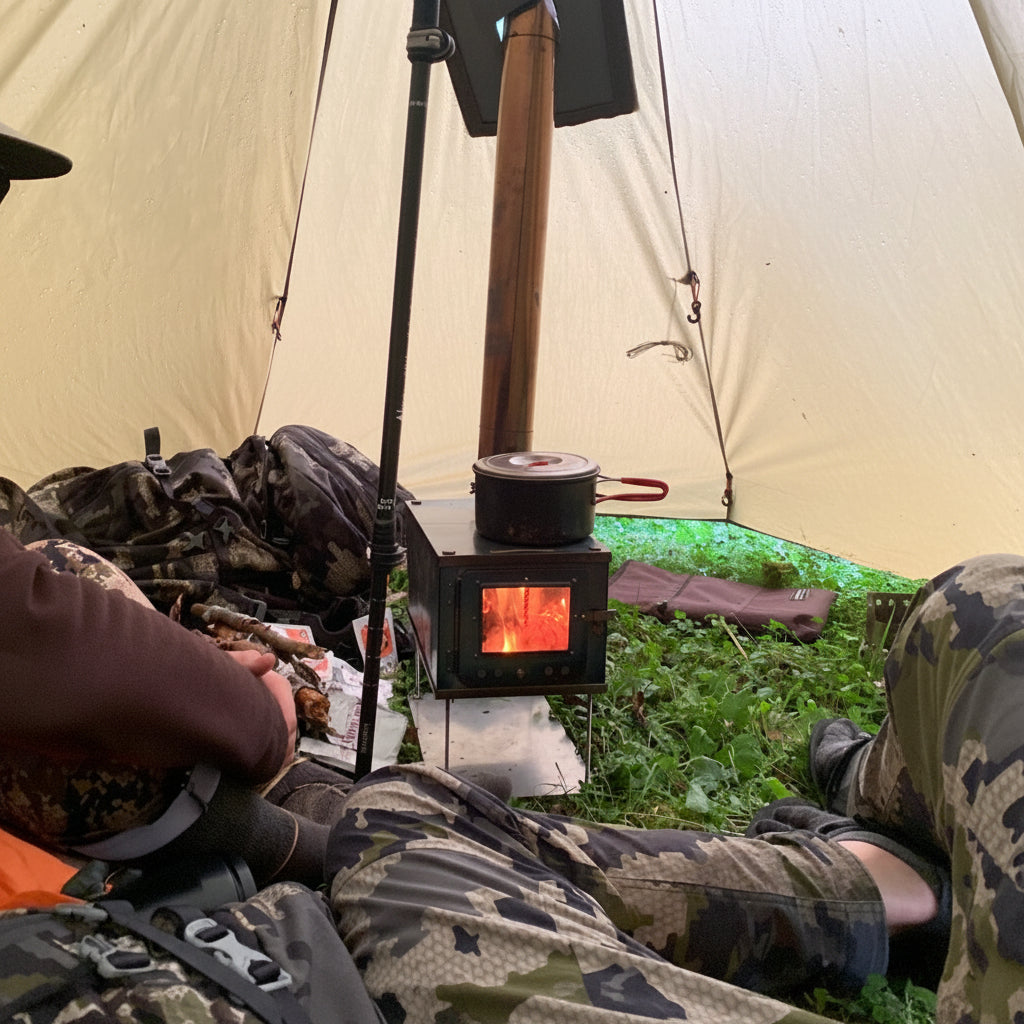
There's also a psychological element. Sitting inside a warm tent, watching firelight flicker through the stove's window while rain or snow falls outside, creates a sense of security and comfort that transforms the entire experience. You're not just surviving the backcountry—you're genuinely enjoying it.
Packing and Weight Considerations
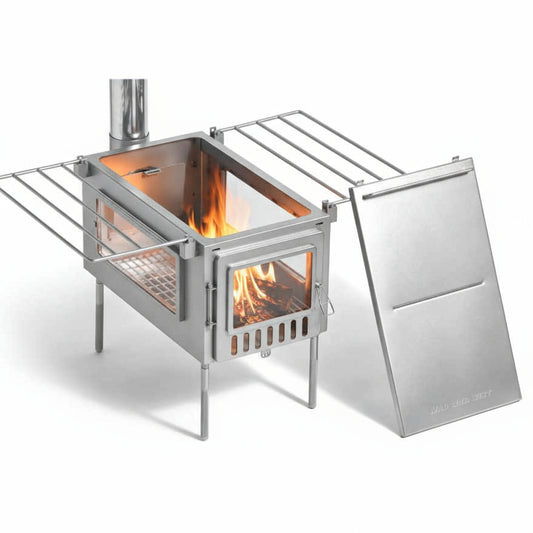
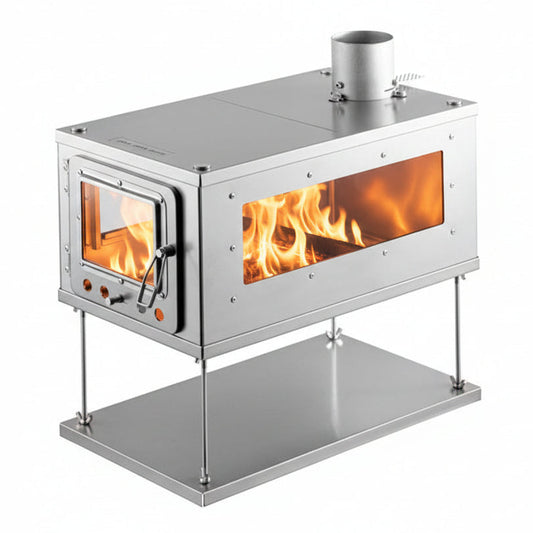
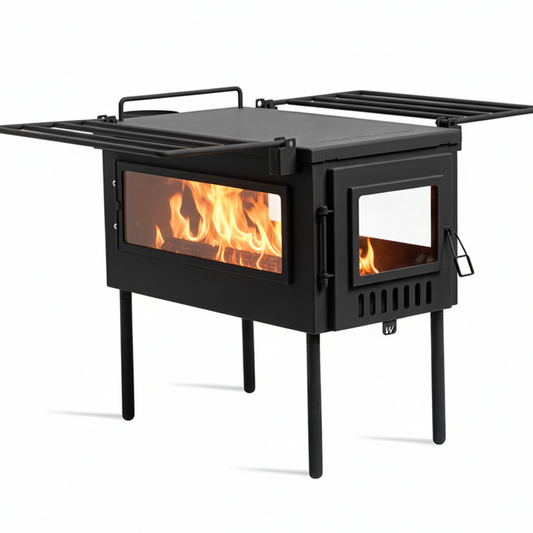
Modern collapsible wood stoves are designed with bikepacking in mind. They break down into flat panels that pack efficiently alongside your other gear. The footprint is small enough to fit in a frame bag or lash to your seat tube. Total weight typically ranges from eight to twelve pounds, which is reasonable when you consider the elimination of fuel canisters and the extended comfort it provides.
Setup takes minutes. You assemble the stove, position it safely inside your tent (with proper ventilation), and begin feeding it small pieces of wood. There's no learning curve—if you've ever built a campfire, you can operate a wood stove.
Tent Selection Matters
Not every tent works with a wood stove. You need a shelter designed for stove use, and a proper chimney hole or stove jack system. Hot tents—tents specifically engineered for wood stove compatibility—are the gold standard for bikepacking in cold conditions. They're built to handle the heat and provide the ventilation necessary for safe operation.
The investment in a quality hot tent pays dividends across multiple seasons and trip types. Whether you're bikepacking in the Cascades, touring through the Rockies, or establishing a remote base camp, a hot tent with a wood stove becomes your mobile shelter.
Planning Your Route
Bikepacking with a wood stove opens different route possibilities. You can camp at higher elevations where temperatures are colder but views are exceptional. You can extend trips into shoulder seasons when weather is unpredictable. You can establish comfortable camps in exposed terrain where a standard tent would feel vulnerable.
Consider wood availability when planning. Areas with healthy forests and abundant deadfall are ideal. Established bikepacking routes often pass through such terrain, but it's worth checking conditions before committing to a trip.
The Bigger Picture
Bikepacking with a collapsible wood stove represents a shift in how you approach backcountry travel. You're not racing against daylight or weather windows. You're not rationing fuel or limiting your cooking options. You're moving through wild country with genuine comfort and security, carrying gear that works with the landscape rather than against it.
For riders who want to go deeper into remote terrain and stay longer, a wood stove isn't a luxury—it's the tool that makes extended bikepacking trips genuinely feasible and enjoyable.