How to Cook a Three-Course Meal on a Tent Wood Stove
Planning Your Menu
Cooking a three-course meal on a tent wood stove requires thoughtful planning and ingredient selection. Unlike a traditional kitchen, your heat source is limited and unpredictable, so choose dishes that work well with consistent, moderate temperatures. Start by selecting recipes that complement each other and can be prepared sequentially without requiring simultaneous cooking on multiple burners.
Consider the weight and volume of your ingredients—everything needs to fit in your pack or vehicle. Dried goods, canned items, and shelf-stable proteins are your friends. Plan your courses to build momentum: a light appetizer, a hearty main course, and a simple dessert that doesn't require precise temperature control.

First Course: A Simple Appetizer
Begin with something that warms you up without demanding much attention. A soup or broth is ideal—it requires minimal equipment and gives you time to prepare the main course while it simmers. Dehydrated vegetable soup, bone broth, or a simple lentil soup can be prepared in a single pot and served in mugs for easy cleanup.
Alternatively, prepare a warm bread with melted cheese or a light salad with foraged greens if your campsite allows. The key is keeping this course quick so your stove is ready for the main event.
Main Course: Hearty and Forgiving
Your main dish should be robust enough to handle temperature fluctuations. One-pot meals work beautifully on a wood stove—think stews, chilis, or rice-based dishes. Cast iron cookware is your best ally here; it distributes heat evenly and can handle the direct flame.
A classic approach is to sear protein in your cast iron skillet, then add vegetables and broth to create a complete meal. Canned or dried beans, root vegetables, and preserved meats all cook well over wood heat. The beauty of wood stove cooking is that longer, slower cooking often improves flavor—let your main course simmer while you enjoy your first course.
Managing Heat and Temperature
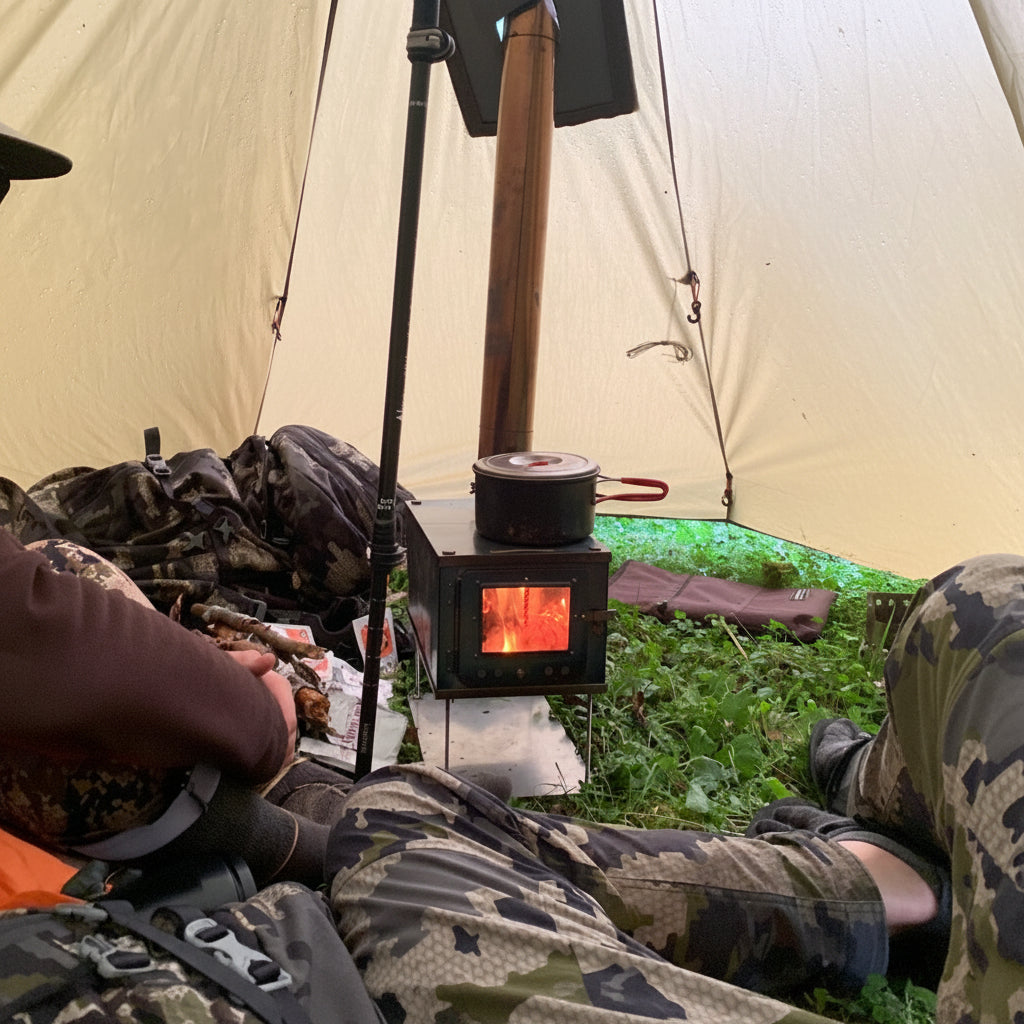
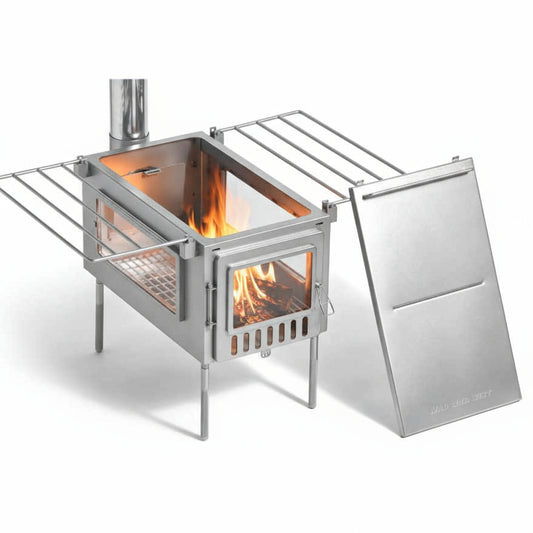
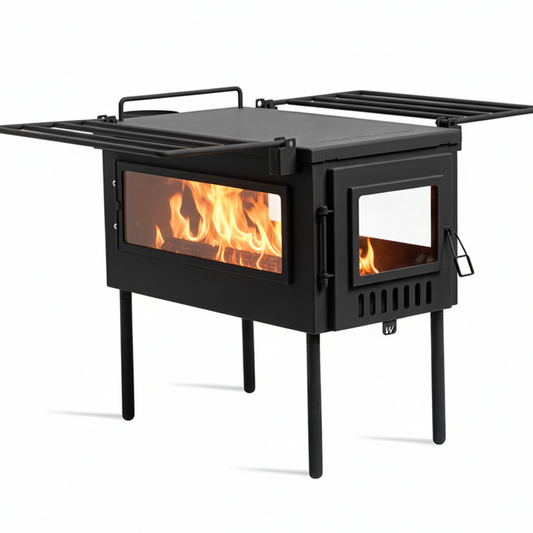
Wood stoves produce variable heat depending on how much wood is burning and how well the fire is established. Keep your cooking vessels toward the edge of the stove surface where temperatures are lower, and move them closer to the center for faster cooking. Use a heat-resistant glove or cloth to adjust pot positions safely.
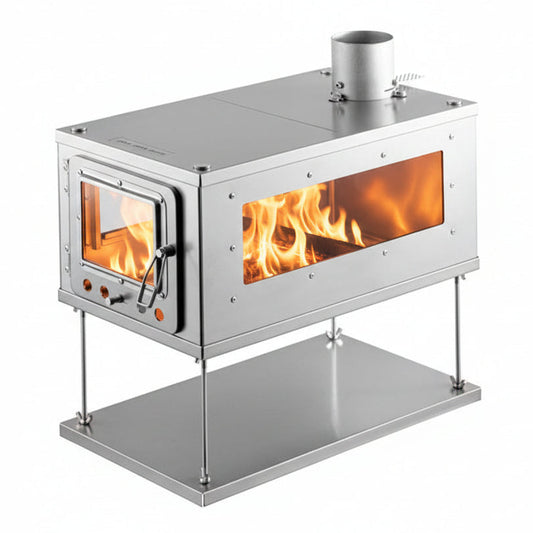
Maintain a steady fire by adding small pieces of wood regularly rather than large logs that create temperature spikes. A partially closed damper helps regulate heat output. If your stove has multiple cooking surfaces, use them strategically—keep water heating on the hottest spot while your main course simmers elsewhere.
Dessert: Simple and Satisfying
End your meal with something that requires minimal cooking. Chocolate melted over fruit, a simple pudding made with powdered ingredients and hot water, or bannock bread cooked in a cast iron skillet are all excellent choices. If you have access to coals, you can wrap fruit or baked goods in foil and nestle them into the fire for a rustic finish.
Pro Tips for Success
Prep all ingredients before you start cooking. Chop vegetables, measure spices, and organize everything within arm's reach of your stove. This reduces stress and prevents burnt food while you're searching for the next ingredient.
Use heavy-bottomed cookware that distributes heat evenly and resists hot spots. Cast iron is ideal for wood stove cooking. Keep a heat-resistant glove or thick cloth nearby for handling hot pots and adjusting position.
Have a backup plan. If your fire isn't cooperating, know which courses can be served cold or at room temperature. Flexibility is essential when cooking outdoors.
Most importantly, embrace the imperfection. A meal cooked on a wood stove in a tent carries a story and authenticity that no restaurant can match. Your guests will remember the experience far more than whether every element was perfectly executed.