Bugout Bags with a Collapsible Wood Stove and Hot Tent for Living Off the Grid
When it comes to emergency preparedness and backcountry survival, your bugout bag needs to be strategically packed with gear that maximizes warmth and shelter in the most compact form possible. A collapsible tent stove and hot tent represent two of the most valuable additions you can make to your kit, especially if you're planning extended stays off the grid.

Why a Tent Stove Belongs in Your Bugout Bag
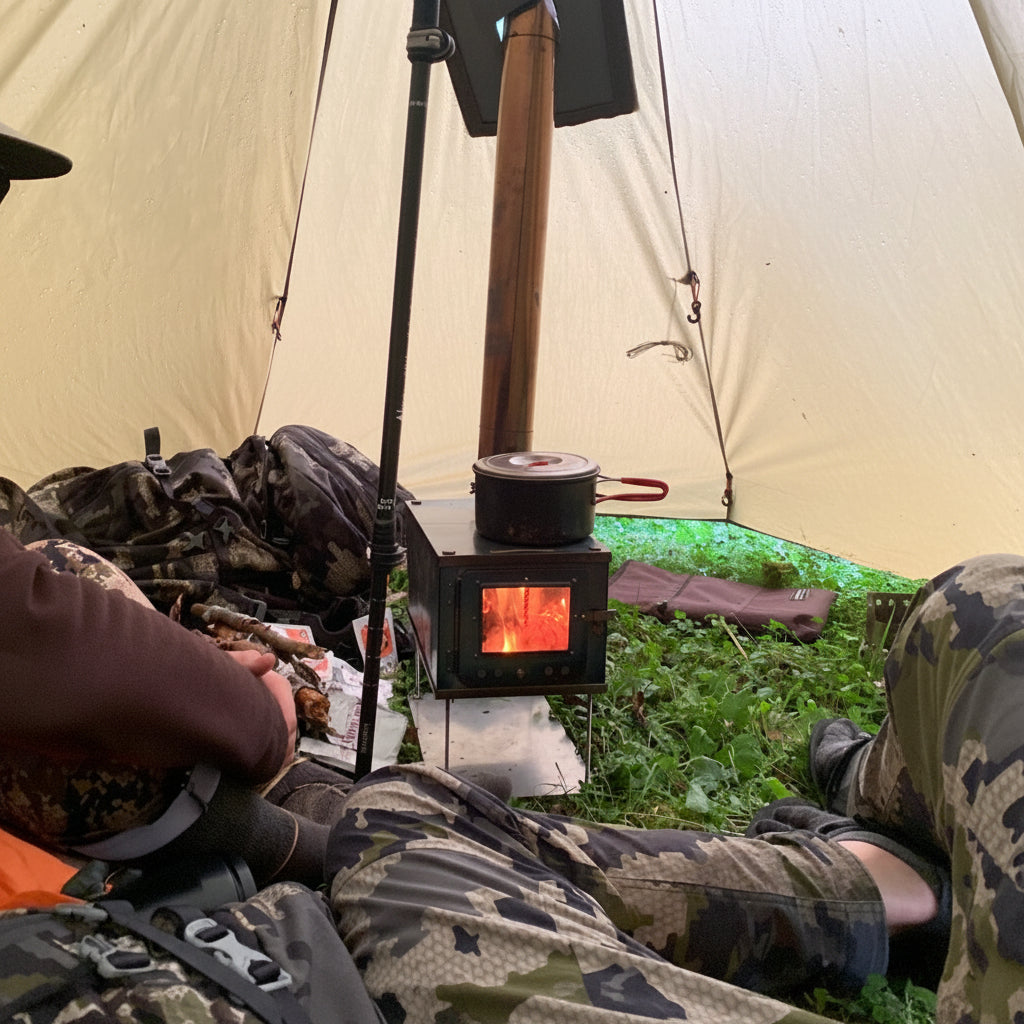
A quality tent stove transforms your shelter from a passive windbreak into an active heat source that can mean the difference between a comfortable night and a dangerous situation. Unlike traditional campfires, which require constant fuel gathering and pose fire risks in sensitive environments, a compact wood stove operates safely inside your tent and burns efficiently with minimal fuel consumption.
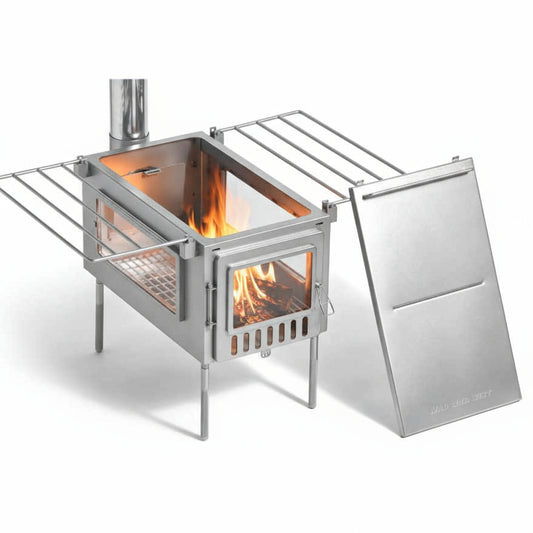
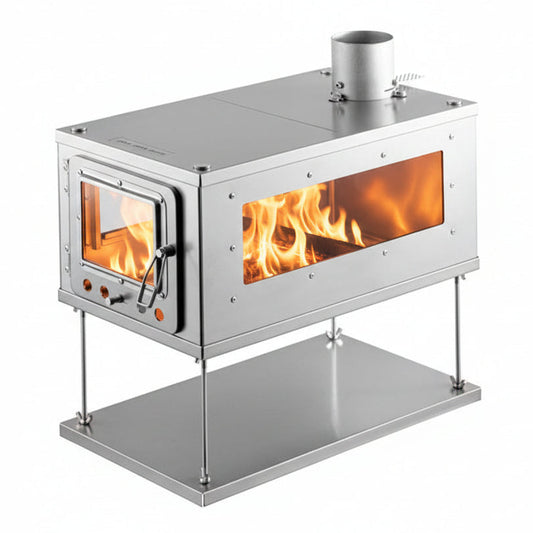
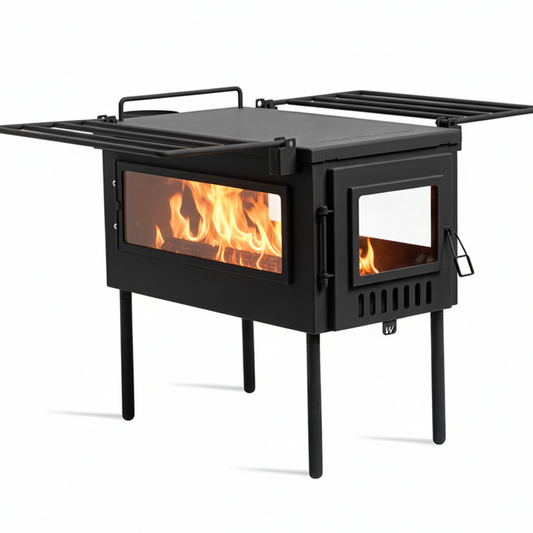
The best tent stoves for bugout scenarios are designed to be lightweight and collapsible, breaking down into flat panels that pack into a footprint of a large laptop. Modern designs feature titanium construction that withstands repeated assembly and disassembly with minimal warping or losing structural integrity. When deployed, these stoves create a chimney draft that pulls heat into your shelter while venting dangerous gases safely outside through a simple pipe system.
Cooking Food and Boiling Water on the Stovetop
Beyond providing warmth, your tent stove becomes a functional cooking platform that extends your survival capabilities significantly. The flat top surface of most collapsible stoves is designed to accommodate cookware, allowing you to prepare hot meals and purify water without leaving your shelter—a critical advantage during harsh weather or when fuel scarcity makes outdoor fires impractical.
A lightweight titanium or steel pot and pan combination should be part of your bugout kit. These materials conduct heat efficiently and can withstand direct contact with the stove surface. Cast iron is durable but adds unnecessary weight; instead, opt for nested cookware sets that pack down compactly. A single 2-quart pot can handle boiling water for purification, rehydrating freeze-dried meals, or brewing tea and broth that provides both hydration and calories.
Boiling water is one of the most reliable methods for eliminating pathogens from questionable water sources. Maintain a rolling boil for at least one minute—longer at higher elevations—to ensure safety. Your tent stove's consistent heat output makes this process straightforward and fuel-efficient compared to open-flame cooking. Keep a heat-resistant glove or cloth nearby to safely handle hot cookware and prevent burns in tight quarters.
For food preparation, simple meals work best in a bugout scenario. Dehydrated vegetables, instant rice, pasta, and canned proteins can be combined in your pot with boiled water to create nutritious meals that restore energy and morale. Pre-portioning ingredients into lightweight containers before your trip reduces pack weight and simplifies meal assembly when you're tired or stressed.
Always allow your stove to cool slightly before cooking to avoid scorching food or damaging cookware handles. Keep your cooking area organized and secure—a pot of boiling water inside a tent demands careful attention and stable placement to prevent spills that could cause serious injury or damage your shelter.
Selecting the Right Hot Tent Setup
A hot tent—a shelter specifically engineered to accommodate an internal stove—is the perfect complement to your collapsible stove. Unlike standard tents, hot tents feature reinforced fabric called a stove jack, a dedicated opening where your chimney pipe passes through the roof. This design prevents heat damage to the tent material and allows for proper ventilation of combustion byproducts.
When choosing a hot tent for your bugout bag, prioritize models that balance weight with livable interior space. A single-person hot tent might weigh between 3 and 5 pounds and pack down to roughly the size of a water bottle, while still providing enough room to sit upright and move around. Look for tents with quality seams, durable zippers, and fabric that resists both moisture and heat exposure over time.
Integration and Packing Strategy
The key to effectively carrying both a stove and hot tent in your bugout bag is understanding how they nest together. Your collapsed stove panels should pack inside the storage sack, with the chimney pipe sections. This approach minimizes overall volume while keeping components organized and accessible.
Before heading into the field, practice assembly at home. Set up your tent, install the stove jack, and run through the stove assembly process multiple times. Familiarity with your gear under controlled conditions means faster, safer deployment when conditions are challenging and visibility is poor.
Fuel Considerations for Extended Trips
One of the advantages of a tent stove is fuel flexibility. You can burn deadfall wood, pine cones, bark, and other natural materials found in most environments. However, for bugout scenarios where you may need to move quickly or operate in areas with limited fuel sources, consider carrying a small supply of compressed wood fuel (with organic binders). These burn hot, produce minimal smoke, and take up very little space in your pack.
Safety and Best Practices
Operating a stove inside a tent demands respect for fire safety fundamentals. Ensure your tent is properly ventilated, keep the stove at least three feet from tent walls, and never leave a burning stove unattended. Use a heat-resistant mat or platform beneath your stove to protect the tent floor, and always allow the stove to cool completely before packing it away.
Test your setup in different weather conditions—rain, wind, and cold—before relying on it in a genuine emergency. Understanding how your stove performs in adverse conditions and how to troubleshoot common issues builds confidence and competence when it matters most.