Build Tent Stove Fire Skills at Home First Before Winter Camping
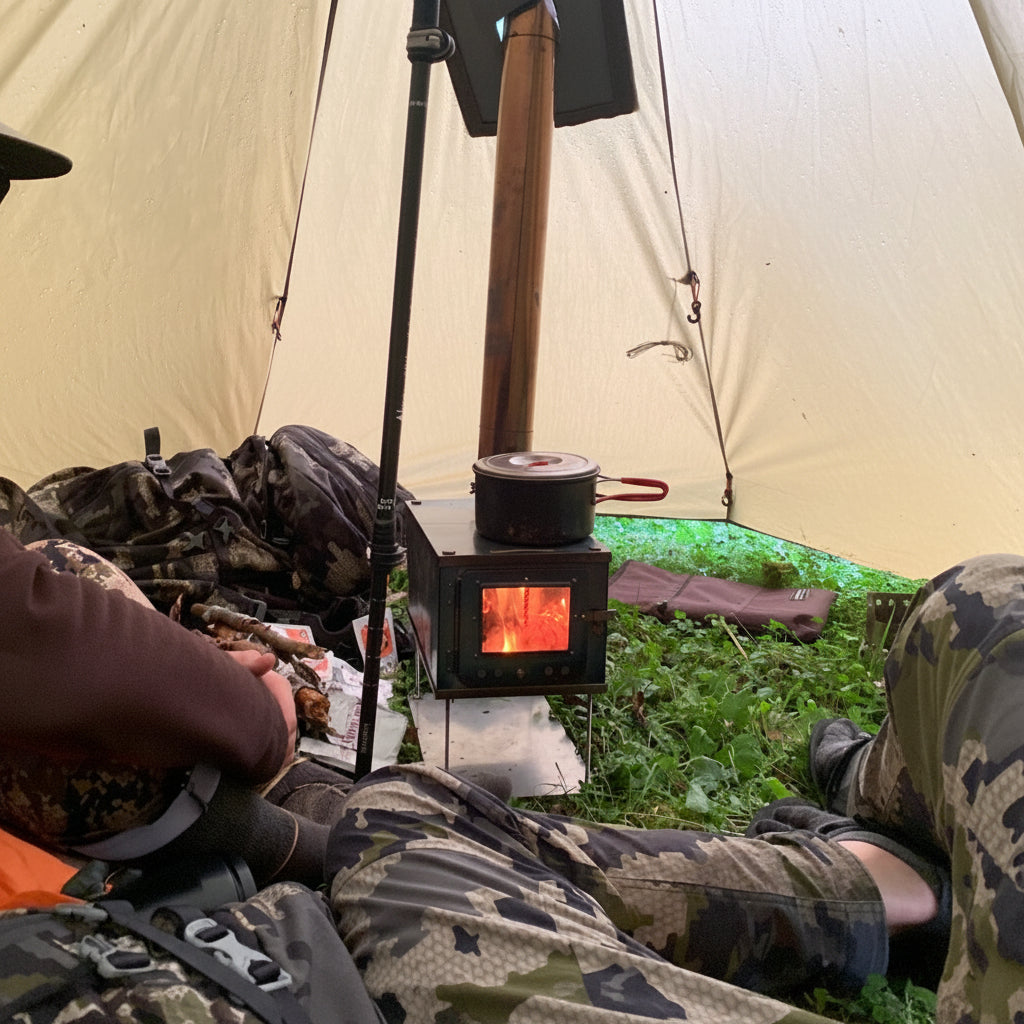
Winter camping with a hot tent wood stove is one of the most rewarding outdoor experiences, but success depends heavily on mastering fire management before you head into the field. The good news? You can practice and refine these essential skills right at home, in your own backyard or at the park, without the pressure of a cold night in the wilderness.

Build a Thick Bed of Coals
A strong coal bed is the foundation of sustained heat and efficient burn cycles in your hot tent stove. Start by gathering dry kindling and small pieces of wood, then graduate to progressively larger splits. Light your fire and let it burn steadily for 20–30 minutes before adding larger logs. The goal is to accumulate a dense layer of glowing coals at the base of your stove—not just flames dancing on top of fresh wood.
Practice this at home repeatedly. Notice how the coals shift and settle. Feel the radiant heat they produce. When you understand how a deep coal bed behaves, you'll know exactly what to aim for when temperatures drop to single digits in camp.
Learn the Difference Between Seasoned and Green Firewood
Seasoned firewood—dried off the ground for 6–12 months—burns hot, clean, and predictably. Green wood, freshly cut or recently fallen, contains high moisture content and produces more smoke, less heat, and frustrating smoldering rather than a proper burn.
Obtain samples of both and burn them side by side at home. Observe the difference in flame color, smoke volume, and the speed at which coals develop. Seasoned wood ignites faster and maintains a steady burn; green wood hisses, produces white smoke, and wastes energy driving off moisture instead of heating your tent. This hands-on comparison will make you an expert wood scout when you're gathering fuel in the field.
Understand How Firewood Size and Shape Affect Burn Time and Heat Output
The diameter, length, and shape of your wood splits directly impact how your fire behaves. Thin, pencil-sized pieces catch quickly but burn fast. Medium splits (roughly wrist-thick) offer a balance of ignition speed and burn duration. Larger rounds and split pieces burn slower and produce more sustained coals—ideal for overnight heat retention.
Practice building fires using wood of different thicknesses. Time how long each burns. Notice how a mix of sizes works better than uniform pieces: smaller wood creates quick heat and establishes your coal bed, while larger pieces extend the burn window and maintain temperature stability. This layered approach is what keeps you warm through a winter night.
Master Air and Draft Control
Your hot tent stove's damper, air vents, and chimney draft settings are your controls for managing burn rate, temperature, and fuel consumption. Learning when and how to restrict airflow is critical—too much air creates a raging, fuel-wasting inferno; too little suffocates the fire and produces dangerous creosote buildup.
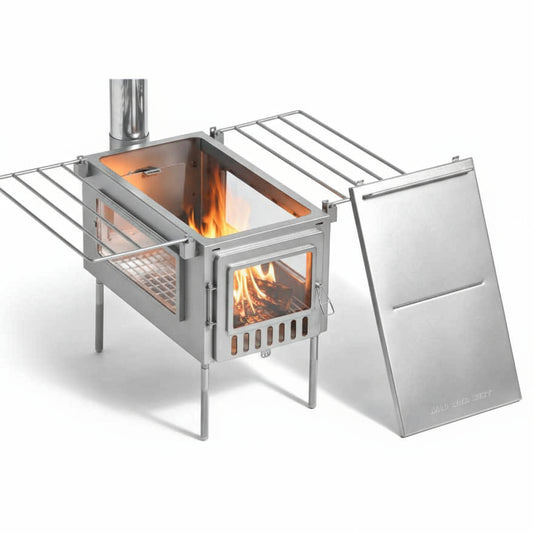
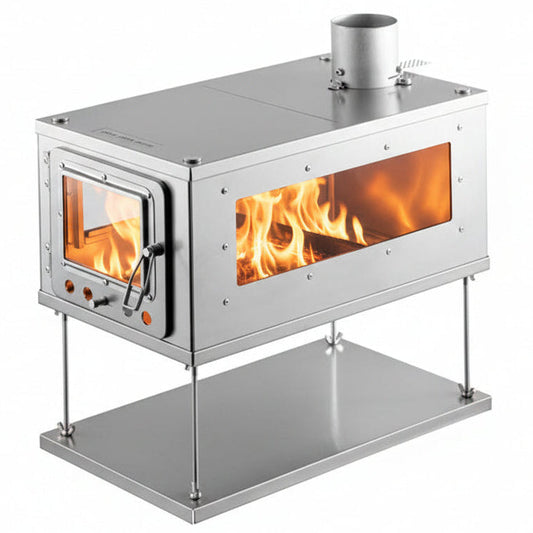
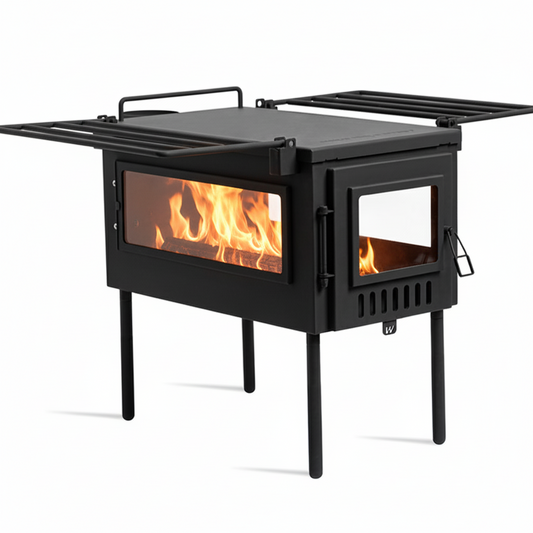
Set up your stove at home and practice opening and closing dampers while observing the flame behavior and heat output. Close the air vents slightly and watch the burn slow. Open them and feel the intensity spike. Get comfortable with small adjustments—a quarter-turn on a damper can make a significant difference. Understand the sweet spot where your fire burns steadily, produces visible coals, and heats efficiently without roaring out of control.
By drilling these fundamentals before your winter camping season, you'll step into the field confident and prepared. Your hot tent stove will become an extension of your skill, not a puzzle to solve in the cold and dark.
Build Tent Stove Skills Video