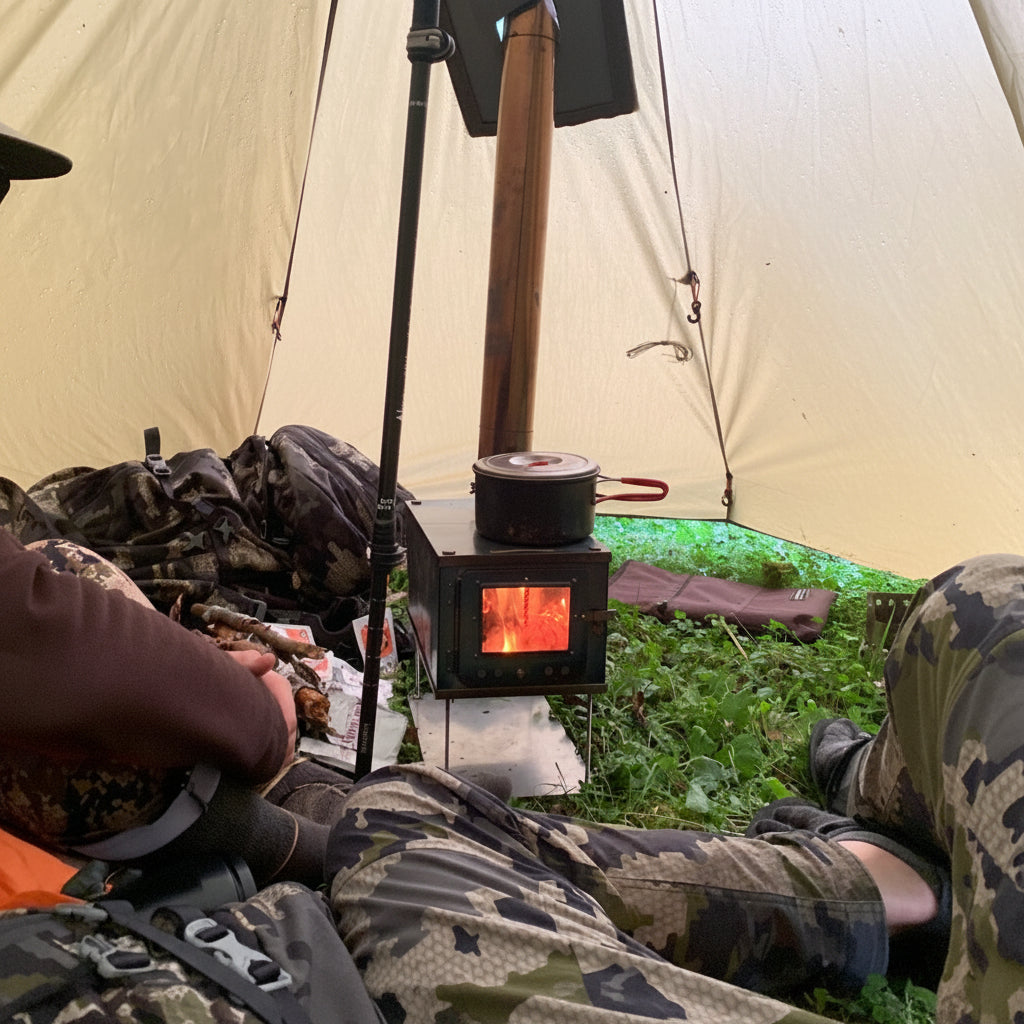
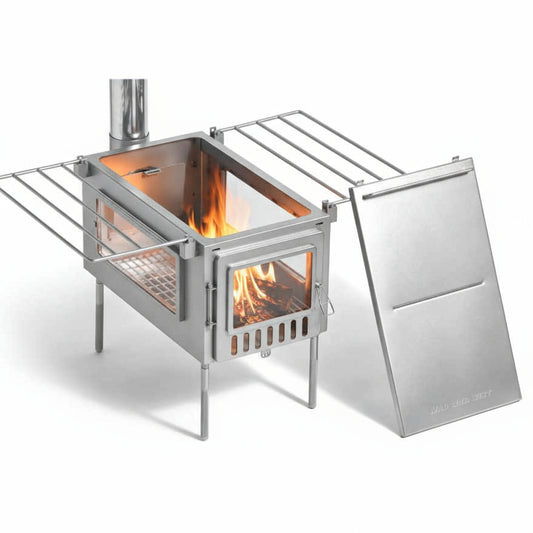
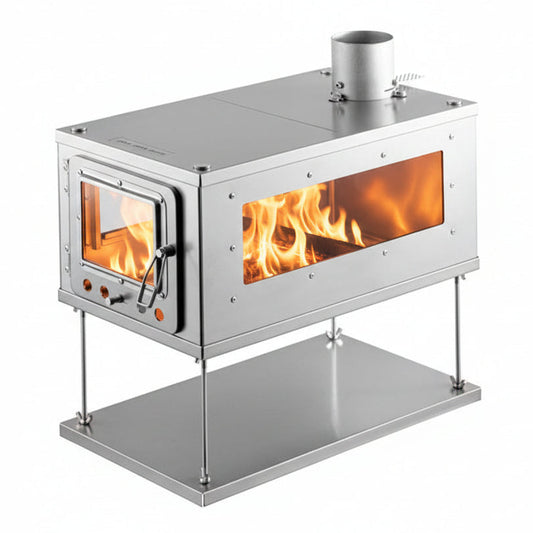
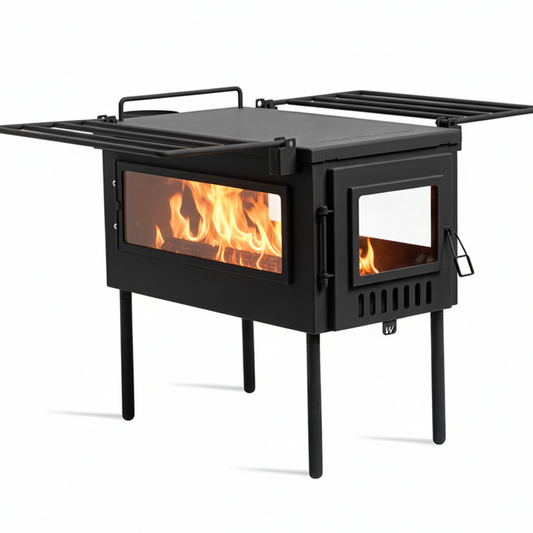
Burning Charcoal in a Tent Wood Stove
Wood stoves designed for tent camping are built specifically to burn seasoned firewood, and using charcoal in them is generally not recommended. Understanding the differences between these fuel types and how they interact with your stove will help you get the most out of your camping setup and keep your tent safe.

Why Charcoal Doesn't Work Well in Tent Stoves
Tent wood stoves are engineered with specific airflow patterns, grate designs, and combustion chambers optimized for burning logs. Charcoal burns differently than wood—it produces intense, concentrated heat and requires different oxygen flow to combust properly. When you use charcoal in a wood stove, you risk creating excessive heat that the stove's materials and design may not be rated to handle, potentially damaging the unit or creating a fire hazard inside your tent.
Additionally, charcoal produces carbon monoxide as it burns, just like wood does. However, the combustion characteristics of charcoal can make it harder to control ventilation properly, increasing the risk of dangerous gas buildup in an enclosed tent space.
Stick to Seasoned Firewood
The best fuel for your tent wood stove is dry, seasoned firewood with a moisture content below 20 percent. Hardwoods like oak, maple, and birch burn longer and hotter than softwoods, making them ideal for extended camping trips. Avoid wet or green wood, which produces excessive smoke and creosote buildup that can damage your stove and reduce heating efficiency.
If you're camping in an area where firewood is scarce, consider bringing your own supply or purchasing locally sourced seasoned wood from campgrounds or outdoor retailers.
Proper Ventilation is Essential
Regardless of fuel type, always ensure your tent has adequate ventilation when using a wood stove. A properly installed chimney pipe with appropriate clearance from tent fabric is critical. Never seal your tent completely—fresh air intake is necessary for safe combustion and to prevent carbon monoxide accumulation.
Follow the manufacturer's guidelines for your specific stove model, including recommended chimney height, clearance distances, and ventilation requirements. These specifications exist to keep you safe while maximizing heat output.
Get the Most from Your Stove
Stick with seasoned firewood, maintain proper ventilation, and follow your stove's operating instructions. This approach ensures reliable heat, extends the life of your equipment, and keeps your camping experience safe and enjoyable.