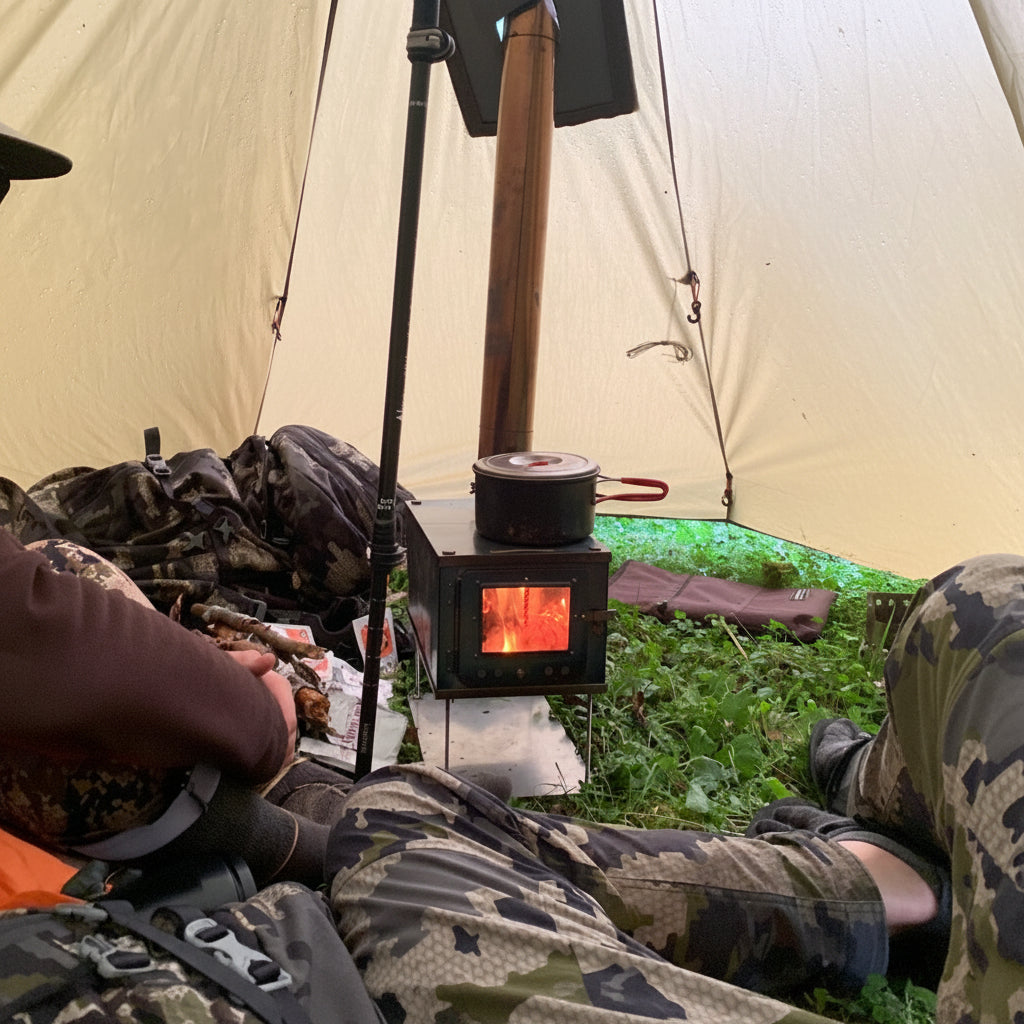
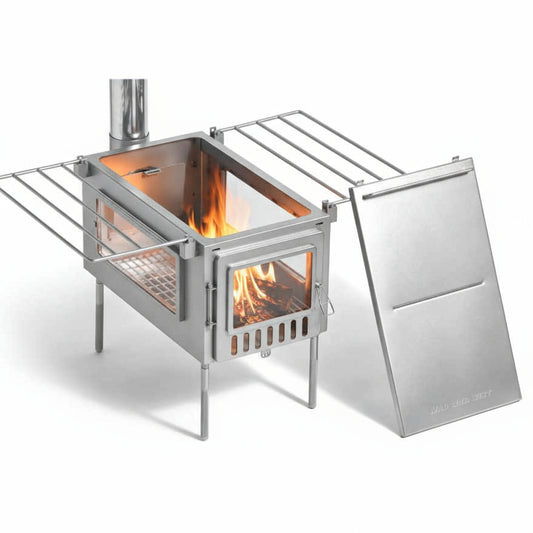
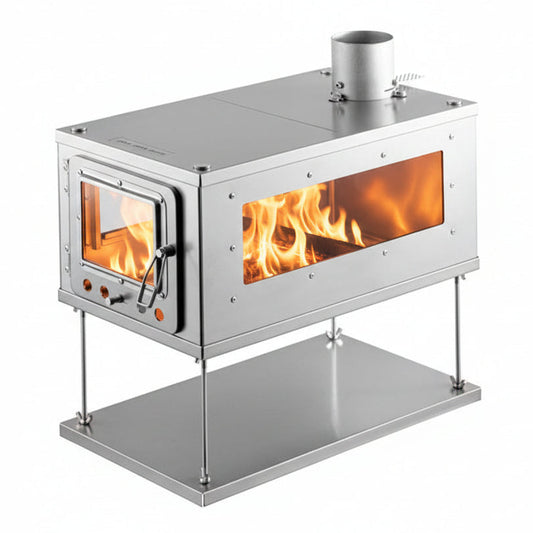
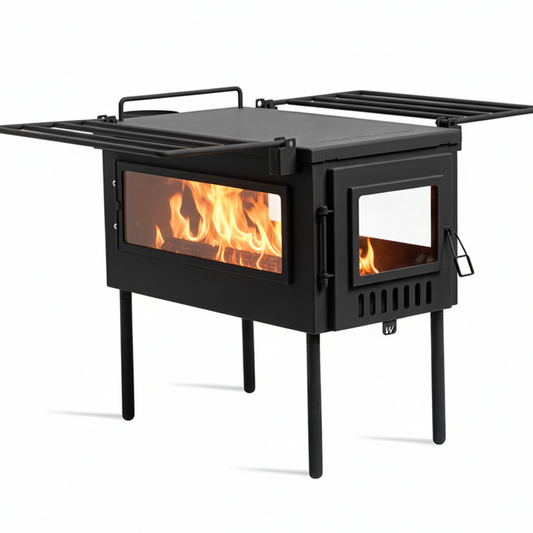
Camp Cooking and Heat Source Prepping with Freestanding Wood Stove
A standalone tent wood stove offers serious campers the ultimate combination of heating power and cooking capability. Unlike tent-integrated systems, a standalone stove gives you flexibility in placement, easier maintenance, and the ability to use it across different tent setups. Whether you're planning a winter adventure or an extended base camp, proper preparation ensures your stove performs reliably and safely.

Select the Right Stove for Your Needs
Standalone wood stoves come in various sizes and designs. Consider your tent dimensions, the number of people you're heating, and how much cooking you plan to do. Compact stoves work well for smaller groups and lighter trips, while larger models provide more heat output and cooking surface area for bigger camps. Look for stoves with adjustable dampers, removable grates, and durable construction that can handle repeated use in harsh conditions.
Prepare Your Tent Setup
Your tent needs proper modifications to safely accommodate a standalone stove. Install a heat-resistant floor mat where the stove will sit if your using a floor, positioned at least 3 feet away from all tent walls and fabric. Cut a hole in your tent roof for the chimney pipe and install a heat-resistant stove jack collar to prevent fire hazards. Ensure your tent has adequate ventilation through windows or vents to maintain proper airflow and prevent carbon monoxide buildup.
Install a Quality Chimney System
The chimney is critical to your stove's performance and safety. Use stainless steel or titanium pipe sections that fit your stove's outlet diameter. The pipe should rise vertically through your tent roof with minimal bends, and extend at least 12 inches above the roof peak. Install a spark arrestor cap at the top to prevent embers from escaping. Gather and Store Firewood
Dry firewood is essential for efficient burning and minimal smoke. Collect or purchase split hardwood that has been seasoned for at least six months. Avoid wet, green, or treated wood, which produces excessive smoke and creosote. Store your firewood supply in a dry location outside your tent, organized by size for easy access. Bring more wood than you think you'll need—cold weather camping uses more fuel than you might expect.
Organize Your Cooking Station
Set up a dedicated cooking area around your stove with all necessary equipment within reach. Invest in quality cast iron cookware that distributes heat evenly and withstands high temperatures. Keep heat-resistant pot holders, and cooking utensils organized nearby. Arrange your food, water, and cooking ingredients in a logical order so you can prepare meals safely without fumbling around a hot stove.
Assemble Safety and Maintenance Gear
Keep a fire extinguisher rated for wood fires or water within immediate reach of your stove. Have a metal poker or tongs for managing the fire and cleaning out ash. Store a heat-resistant glove and a small brush for chimney maintenance. Keep a first aid kit nearby in case of minor burns. These tools make stove operation safer and more efficient.
Test Everything Before You Leave
Do a complete trial run of your stove setup before your trip. Light a fire, monitor how heat distributes in your tent, test your cooking surface with actual cookware, and check for any smoke leaks around the chimney collar. Practice adjusting the damper to control burn rate and heat output. This hands-on experience builds confidence and helps you identify any issues before you're in the field.
Master Temperature and Airflow Control
Most standalone stoves have dampers on the door and chimney that control airflow and burn rate. Learn how to adjust these to maintain a steady, efficient fire. A fully open damper creates a hot, fast-burning fire ideal for cooking; a partially closed damper provides steady heat for warmth. Experiment with different settings to understand how your specific stove responds, and keep notes on what works best for different conditions.
Plan for Weather and Extended Use
Prepare for changing weather by having extra firewood stored and protected from rain or snow. In extremely cold conditions, you may need to feed your stove more frequently to maintain heat. In milder weather, you'll use less fuel. Keep your chimney clear of creosote accumulation inside the pipe. A well-maintained stove performs reliably throughout your entire trip.
With thorough preparation and attention to detail, a standalone wood stove becomes the heart of your camp. You'll have reliable heat, a place to cook hot meals, and the confidence that comes from knowing your equipment is set up safely and efficiently. Enjoy the warmth, the cooking possibilities, and the comfort of a well-prepared outdoor adventure.