Can a Titanium Tent Stove Keep You Warm in Winter?
Can a Titanium Tent Stove Keep You Warm in Winter?
When temperatures drop below freezing, your shelter becomes your lifeline. A titanium tent stove isn't just a luxury—it's a proven heat source that can mean the difference between a miserable night and genuine comfort in the backcountry. The short answer is yes, but understanding how and why matters when you're planning a winter adventure.

How Titanium Stoves Generate Heat
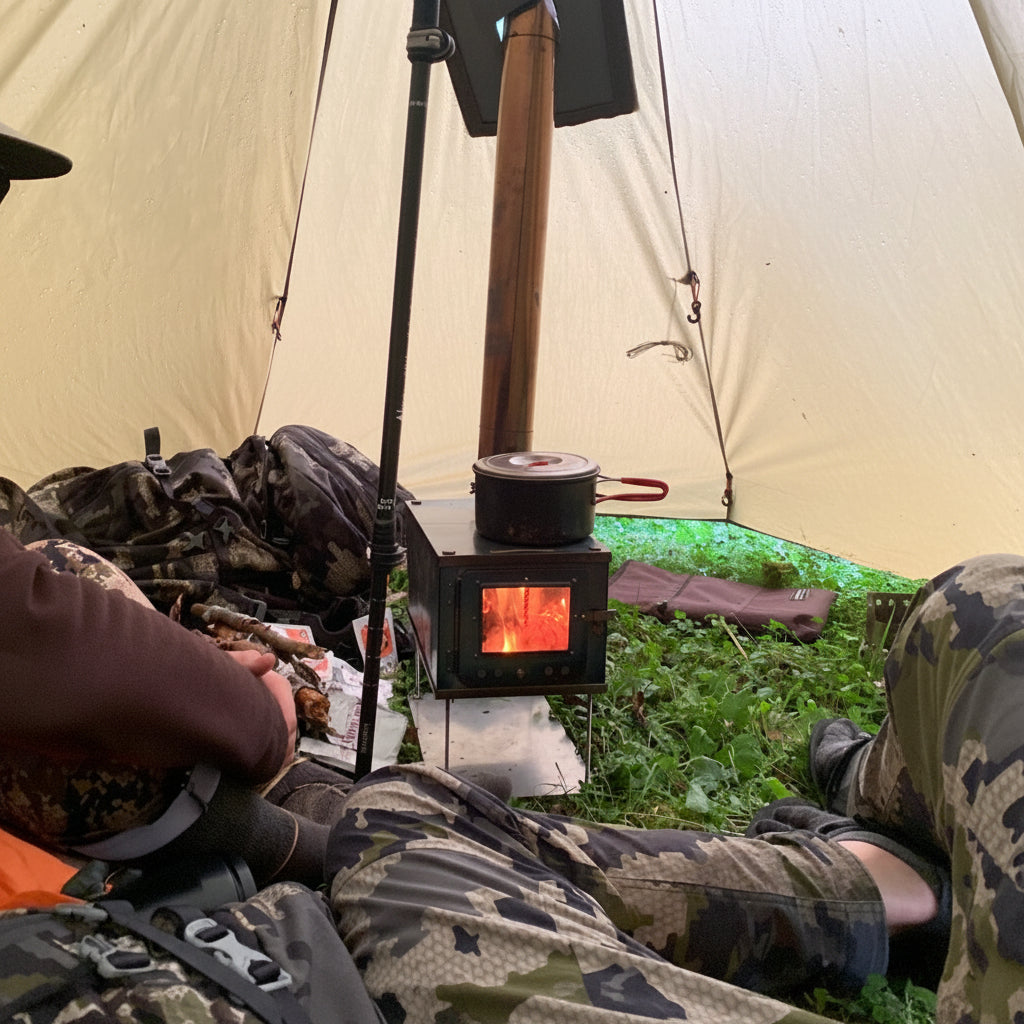
Titanium tent stoves work through direct combustion. You burn wood inside the firebox, and that heat radiates outward into your shelter. A well-designed titanium stove can raise the interior temperature of a tent by 40–60°F above the outside air, depending on fuel quality, stove jack placement, stove size, and tent insulation. In practice, this means turning a frigid winter camp into a habitable space where you can sleep comfortably, cook, and dry gear.
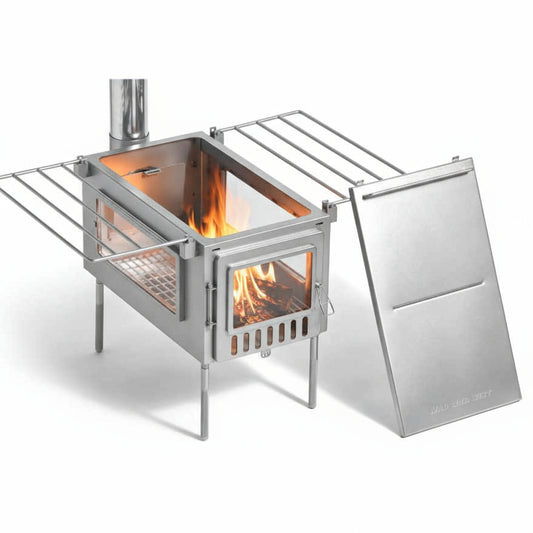
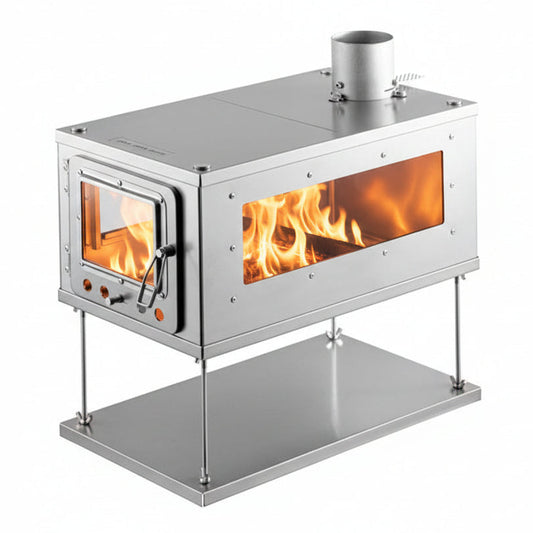
The metal itself matters. Titanium conducts and radiates heat efficiently while remaining lightweight—a significant advantage when every pound counts on a winter expedition. The material also resists rust and corrosion, so your stove performs reliably year after year.
Real-World Winter Performance
Winter camping presents unique challenges. Wind, snow load, and extreme cold stress both you and your equipment. A titanium tent stove addresses the core problem: heat loss. By maintaining a fire throughout the night (or during critical hours), you create a warm zone inside your shelter, allows you to sleep deeply, and keeps water liquid for cooking and hydration.
Most experienced winter campers report that a properly sized stove in an insulated shelter handles temperatures well into the negative Fahrenheit range. The setup requires vigilance—you'll need a reliable fuel supply, proper ventilation (a chimney system is essential), and regular monitoring—but the warmth it provides is substantial and consistent.
What Affects Winter Heating Ability
Tent insulation: A tent with thick fabric, ground-to-peak design, and minimal air leaks retains heat far better than a three-season shelter. Your stove works harder in a poorly insulated tent. However, never fully seal a shelter airtight with wood stove burning inside.
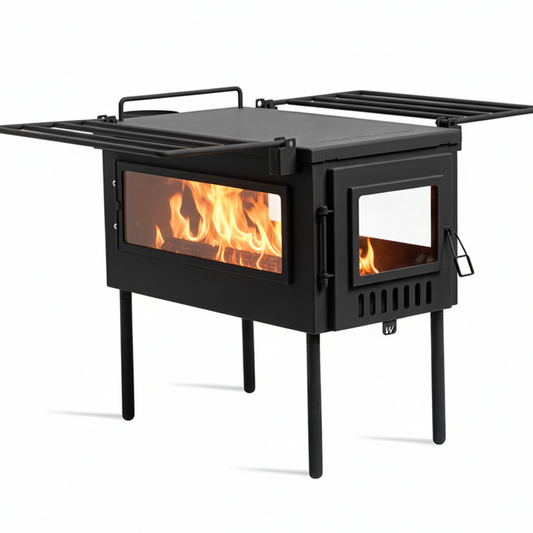
Stove size: Larger stoves hold more fuel and produce more heat. Compact models work for backcountry adventure use carrying into the mountains.
Fuel quality: Dry, dense hardwoods produce sustained heat. Wet or softwood burns quickly and inefficiently, forcing more frequent reloading.
Chimney design: A proper chimney system with insulation minimizes heat loss up the flue. The more chimney pipe that is inside your tent, the warmer you are going to be.
Ventilation: You need both draft for the stove and fresh air for combustion. Poor ventilation leads to incomplete burning, carbon monoxide risk, and wasted fuel. Never use a wood stove inside an airtight shelter.
Winter Camping Safety Considerations
Heat generation brings responsibility. Carbon monoxide buildup is the primary risk—stoves produce CO when oxygen levels drop, and a sealed tent with a poorly vented stove is dangerous. Always use a proper chimney, crack a vent hole or door for fresh air exchange, and consider bringing a battery-powered CO detector on extended winter trips.
Fire safety matters too. Position your stove on a non-flammable surface, maintain clearance from tent fabric, and never leave an active fire unattended. Most winter accidents stem from human error, not equipment failure.
Is a Titanium Tent Stove Right for Winter?
If you're planning winter adventures beyond car camping, a titanium tent stove is one of the best investments you can make. It extends your season, increases comfort, and dramatically improves safety in cold conditions. Paired with quality insulation, proper fuel management, and sound technique, it will keep you warm through some serious winter weather.
Start with shorter trips in mild winter conditions to build proficiency. As your confidence and experience grow, you'll unlock access to some of the most beautiful and peaceful seasons in the backcountry.