Choosing the Right Sleeping Bag Rating for Tent Wood Stove Camping
Understanding Temperature Ratings
Sleeping bag temperature ratings can be confusing, but they're essential to understand before heading into the backcountry. Most manufacturers use one of two standards: the EN (European Norm) or the ISO (International Organization for Standardization) rating system. These ratings indicate the lowest temperature at which a sleeping bag will keep an average sleeper warm and comfortable. However, ratings are conservative estimates—your actual comfort depends on factors like your metabolism, clothing layers, and the insulation beneath you.
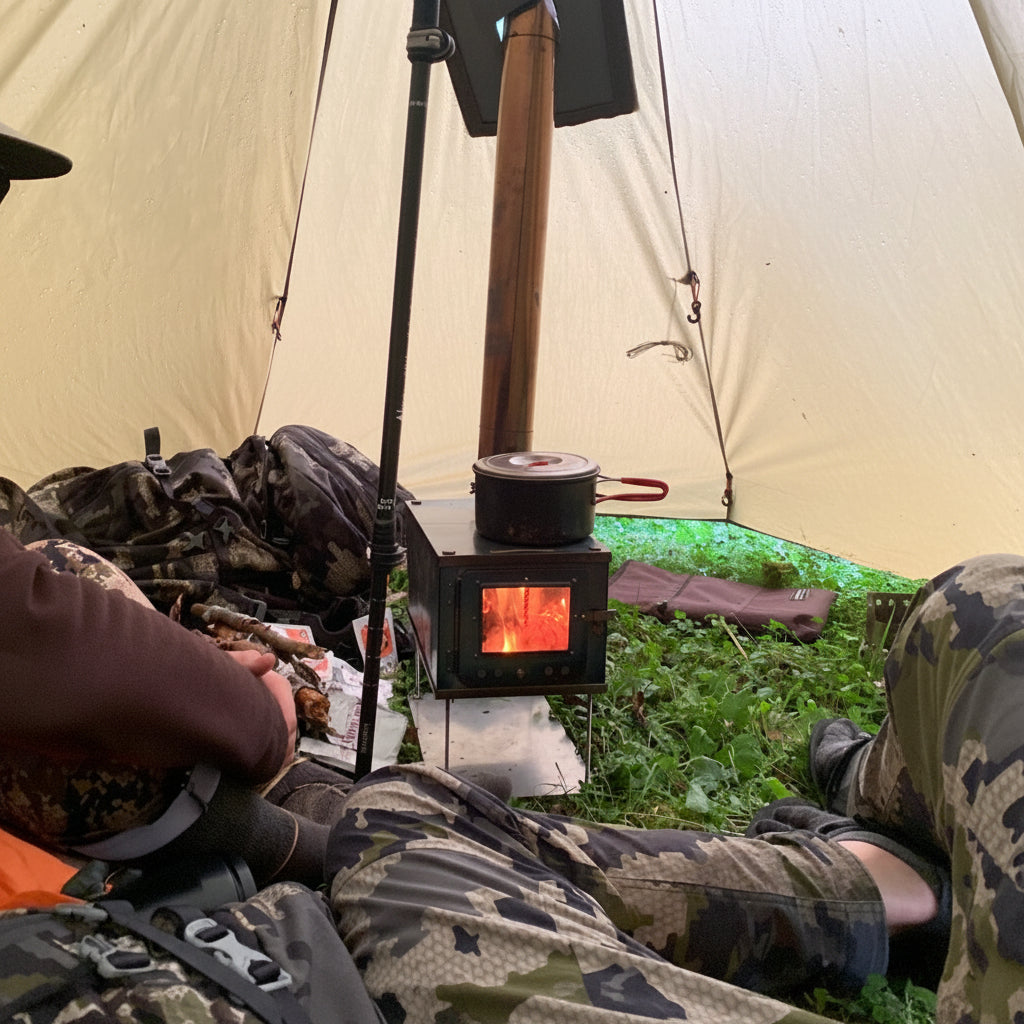
When camping with a tent wood stove, your sleeping bag's role changes slightly. The stove provides ambient warmth inside your tent, but this requires you to keep the stove going all night. Instead, focus on a bag that handles the temperature range when the stove isn't actively burning—typically during sleep hours when you want consistent, passive warmth.

Matching Bag Rating to Your Camping Season
Spring and Fall Camping: A sleeping bag rated for 0°F to 20°F works well during shoulder seasons. With stove heat, you'll stay comfortable even on chilly nights without excessive layering.
Winter Camping: Aim for a bag rated between 0°F and -20°F. This provides a safety margin if the stove burns down overnight and ensures you stay warm during the coldest hours before dawn.
Summer and Early Fall: A 20°F to 32°F rated bag is sufficient, especially since you may not run the stove continuously on warmer nights.
Additional Factors to Consider
Beyond temperature rating, pay attention to insulation type. Down insulation is lightweight and compressible but loses effectiveness when wet. Synthetic insulation retains warmth even if damp and is more affordable, making it ideal for unpredictable conditions.
Your sleeping pad is equally important. A good insulated pad (R-value of 4 or higher) prevents heat loss to the ground and works in tandem with your sleeping bag. Inside a cold tent, this combination keeps you comfortable throughout the night.
Finally, consider your personal cold tolerance. If you tend to sleep cold, choose a bag rated 10–15 degrees lower than the expected minimum temperature. If you run warm, you can go slightly higher. Test your setup on shorter trips before committing to multi-day expeditions in extreme conditions.