Cold Tent vs Hot Tent for Backpacking Trips
Hot Tent vs Cold Tent for Backpacking Trips
When planning a backpacking adventure, one of the most important decisions you'll make is choosing between a hot tent and a cold tent. Both have distinct advantages and drawbacks, and the right choice depends on your climate, budget, and camping style.

What Is a Hot Tent?
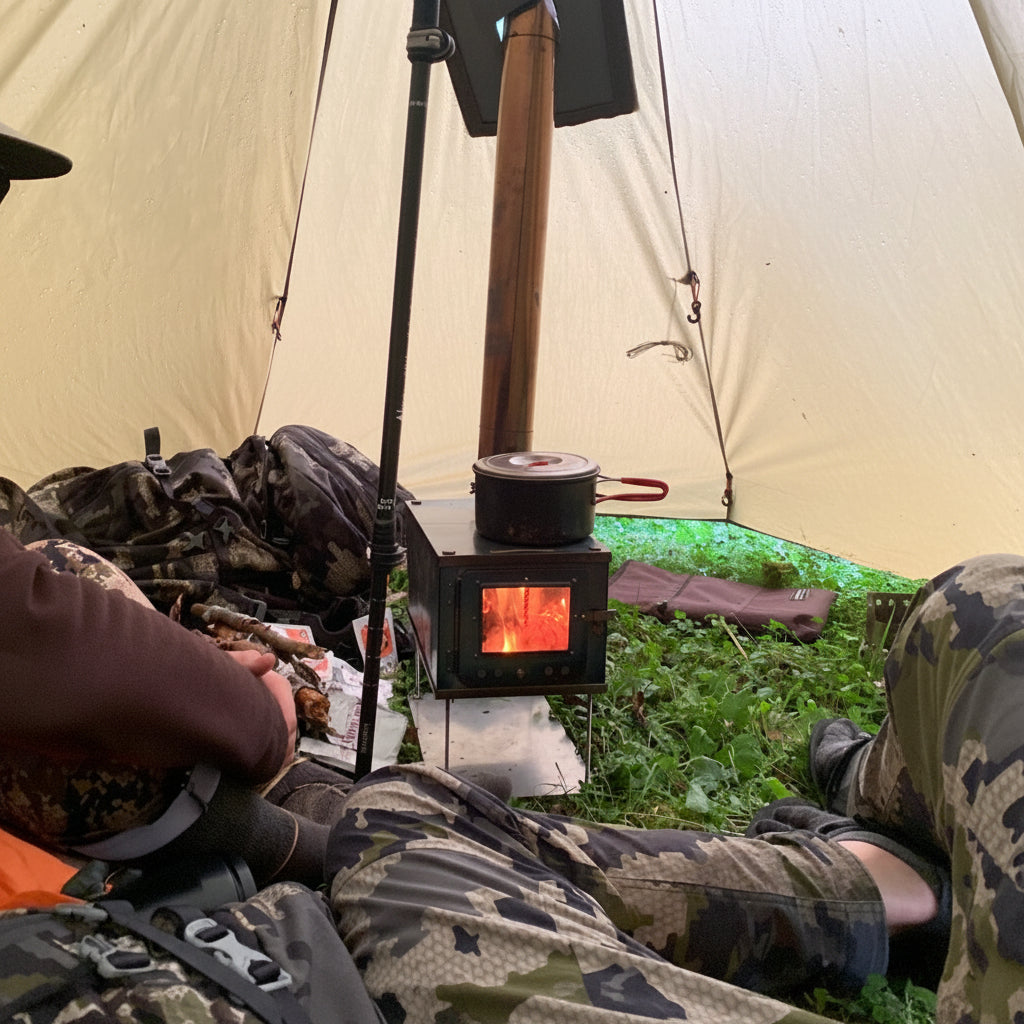
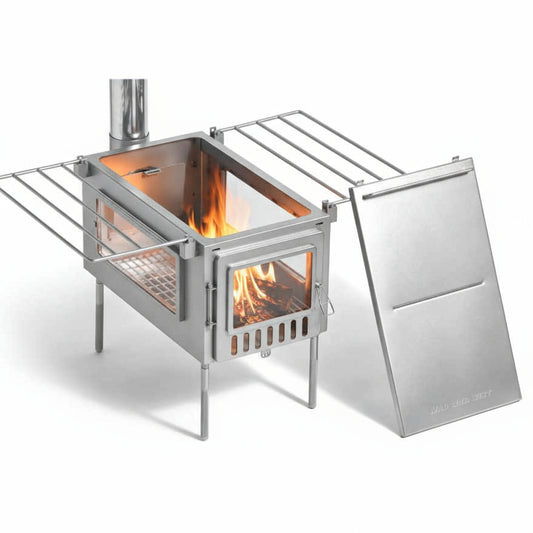
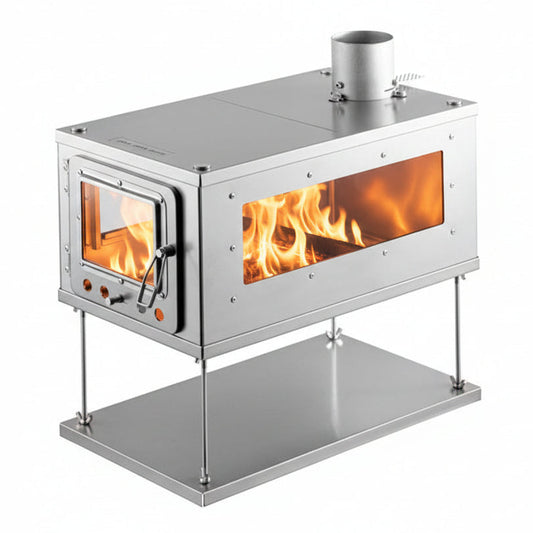
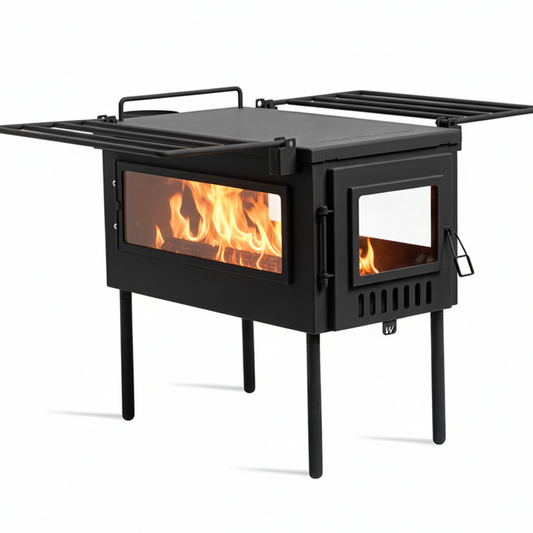
A hot tent is designed to accommodate a wood-burning stove, allowing you to heat the interior during cold weather camping. These tents feature a chimney hole with a heat-resistant stove jack. Hot tents are typically larger to leave enough space in the floorplan for a wood stove.
What Is a Cold Tent?
A cold tent is a traditional three-season or four-season tent without any heating system. It relies on insulation, proper ventilation, and your sleeping bag to keep you warm. Cold tents can be lighter (with no wood stove), more portable, and less time to set up, making them the standard choice for most backpacking trips.
Key Differences
Weight and Portability: Cold tents are significantly lighter and easier to carry on long treks. Hot tents, combined with a stove, add more weight to your pack.
Warmth and Comfort: Hot tents provide active heating, creating a cozy interior even in extreme cold. Cold tents rely on passive insulation and your body heat, which works well in moderate conditions but becomes challenging in severe winter weather.
Cost: Cold tents range from budget-friendly to premium, while hot tents and quality stoves represent a significant investment.
Setup and Maintenance: Cold tents are quick to pitch and require minimal maintenance. Hot tents demand careful stove installation, chimney management, and fire safety precautions.
Versatility: Cold tents work across seasons and climates. Hot tents excel in winter camping, but may not be needed for some type of summer trips.
When to Choose a Hot Tent
Hot tents shine during winter expeditions, extended base camp stays, and trips where comfort, drying wet gear and warmth are priorities. If you're planning a multi-day winter backpacking trip or establishing a semi-permanent camp, a hot tent transforms the experience. They're also ideal for group camping where the weight is distributed and the comfort justifies the extra gear.
When to Choose a Cold Tent
Cold tents are the practical choice for most backpacking trips. They're perfect for three-season camping, long-distance treks, and anyone prioritizing lightweight gear. If you're hiking in spring, summer, or fall, or if you're new to backpacking, a quality cold tent paired with an appropriate sleeping bag will serve you well.
The Bottom Line
Your choice between a hot tent and a cold tent should align with your typical camping conditions and goals. For traditional backpacking trips, a cold tent remains the standard. But if winter camping is in your future, investing in a hot tent setup opens up a whole new season of adventure. Many experienced backcountry enthusiasts own both, using each for its intended purpose.