Do All Tents Come with a Vent for a Wood Stove?
Not all tents come equipped with a vent for a wood stove, but many premium camping hot tents are specifically designed with this feature in mind. Understanding the difference between stove-ready tents and standard models can help you make the right choice for your camping setup.

What Makes a Tent Stove-Compatible?
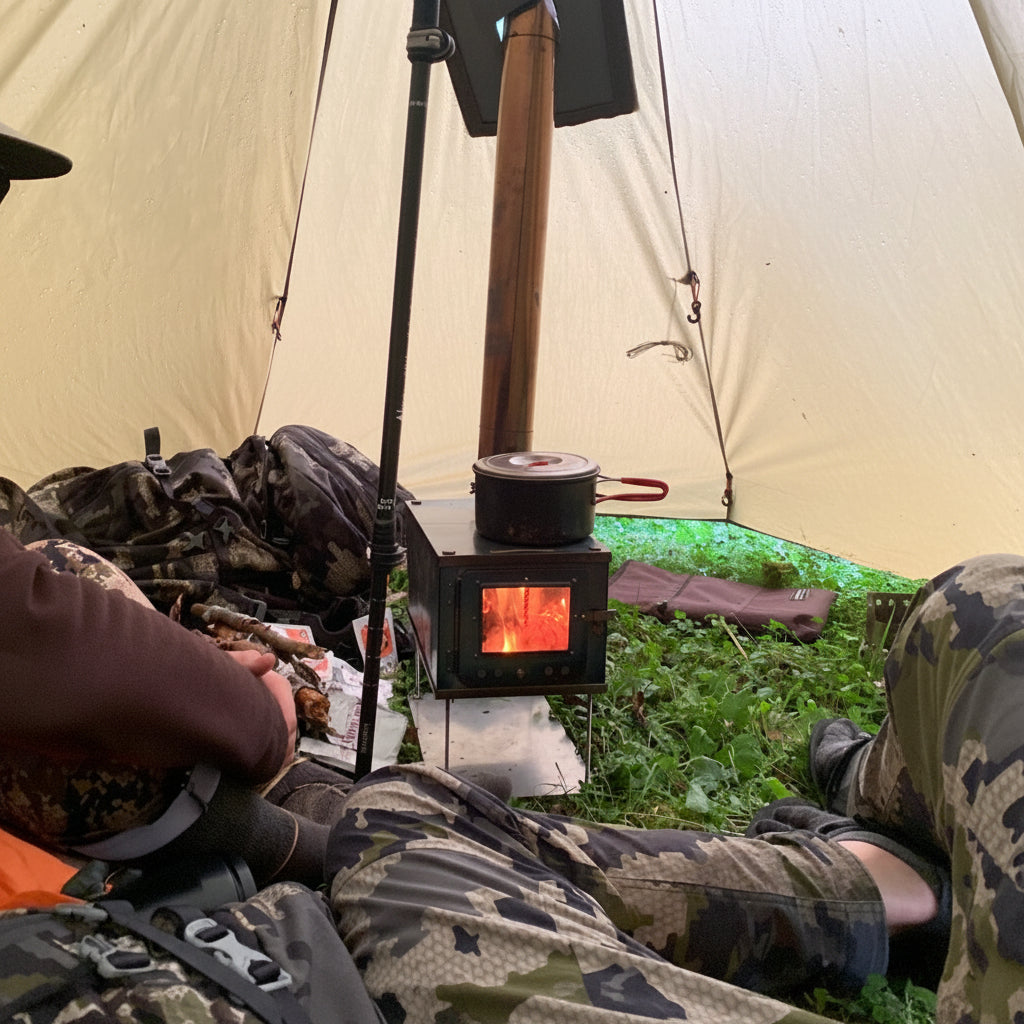
A shelter designed for tent wood stove use includes a dedicated vent opening, typically located near the peak or upper sidewall. This opening accommodates a stovepipe that safely channels smoke and heat out of the tent while allowing fresh air circulation. The stove jack vent is reinforced with heat-resistant materials to prevent damage from the hot pipe passing through.
Many standard camping tents, especially lightweight backpacking models, are not built with these vents. They're designed for different purposes and lack the structural reinforcement needed to safely support a stove installation.
Why the Vent Matters
A proper stove jack vent serves several critical functions. It safely removes combustion byproducts from your living space, prevents carbon monoxide buildup, and allows your wood stove to operate efficiently. Without a dedicated vent, attempting to run a stove inside a tent creates serious safety hazards including fire risk and toxic gas accumulation.
Hot Tents vs. Standard Tents
Hot tents—also called canvas tents or bell tents with stove jacks—are purpose-built for wood stove heating. These tents feature reinforced fabric, proper ventilation systems, and engineered stove jack openings. They're ideal for winter camping, extended trips, and base camps where comfort and warmth are priorities.
If you're planning to use a wood stove for heating or cooking, investing in a tent specifically designed for this purpose ensures safety, durability, and optimal performance. Always verify that your tent has a proper stove jack before attempting any stove installation.
Installing Your Own Stove Jack
If you have a tent without a stove jack but want to add wood stove capability, installation kits are available that allow you to retrofit your shelter. These DIY stove jack kits come with heat-resistant materials and detailed instructions for safe installation. You must install a stove jack in a single wall part of your shelter only!
Before starting, assess your tent fabric and construction. Canvas and heavy-duty synthetic materials work best for stove jack installation. Check your tent's design style, specifications and material composition first.
The installation process typically involves marking the vent location—usually near the peak for optimal smoke draw—cutting an opening, and securing the stove jack collar with the provided hardware. Most kits include reinforcement rings and heat-resistant fabric to protect the surrounding tent material from pipe heat and sparks.
Proper installation is critical for safety. Take time to ensure the stove jack is centered and securely fastened. If you're uncertain about the process, consider having an experienced camper or professional review your work before using the stove.
Once installed, your tent gains the heating and cooking capabilities of a purpose-built hot tent. Pair your new stove jack with a quality wood stove and stovepipe system for reliable warmth during cold-weather camping adventures.