Do Tent Wood Stoves Leak Carbon Monoxide?
Do Tent Wood Stoves Leak Carbon Monoxide?
One of the most common questions we hear from hot tent enthusiasts is whether wood stoves used inside tents pose a carbon monoxide risk. It's a legitimate concern, and understanding how these systems work is essential for safe cold weather camping.

How Tent Wood Stoves Are Designed
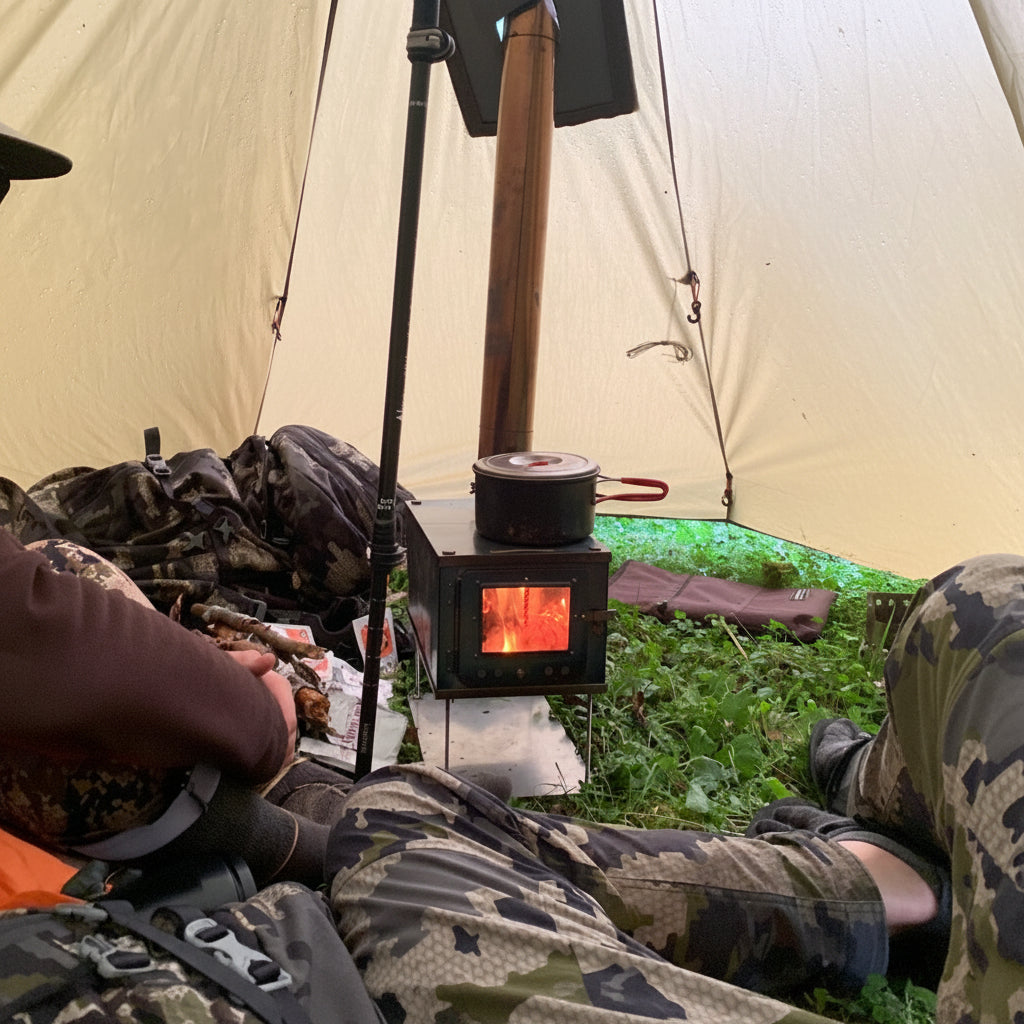
Modern tent wood stoves are engineered with safety as a priority. The key to their design is the chimney system, which creates a draft that pulls combustion gases—including any carbon monoxide produced—up and out of the tent through the roof. When properly installed and maintained, this continuous exhaust flow prevents dangerous gas accumulation inside your shelter.
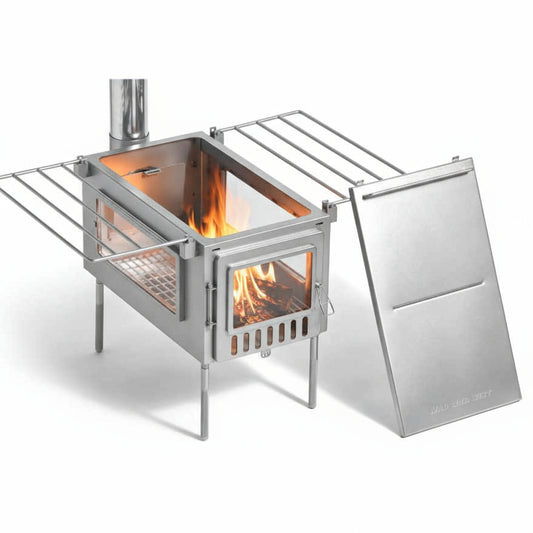
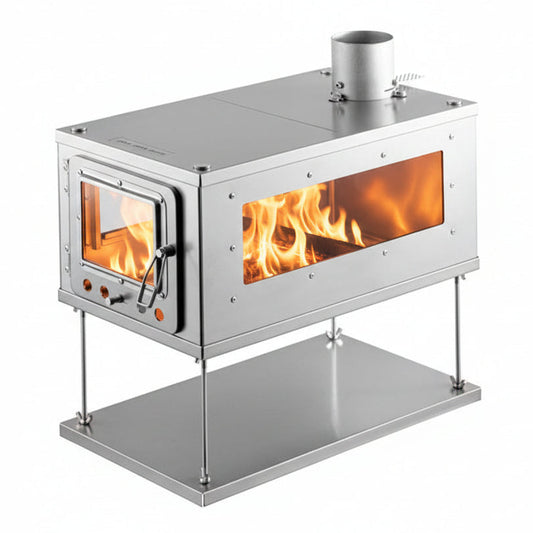
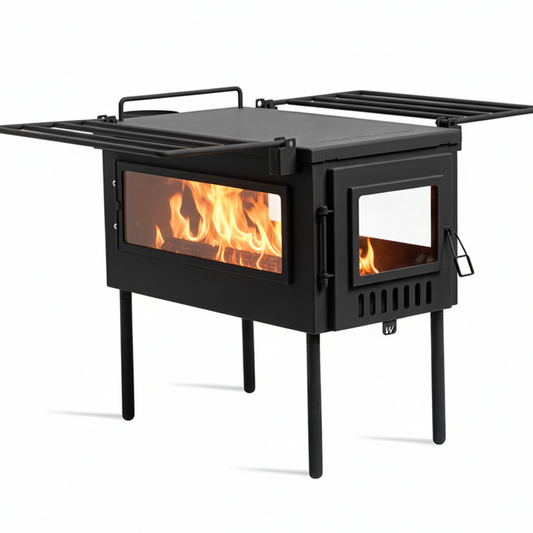
The stove itself is a mostly sealed unit, meaning fuel burns inside the firebox rather than in the open tent space. This containment, combined with the chimney draft, is what makes these stoves fundamentally different from open fires or improperly vented heating sources.
When Problems Occur
Carbon monoxide issues with tent stoves typically arise from specific conditions rather than inherent design flaws. A blocked or damaged chimney, poor installation, or inadequate ventilation can prevent proper exhaust flow. Similarly, using a stove in a tent that's sealed too tightly—without any fresh air intake—can create negative pressure that interferes with the draft.
Burning wet or unseasoned wood produces more incomplete combustion and creosote buildup, which can restrict airflow. Low-quality stoves manufactured on a budget, may also allow some gas leakage around joints and connections.
The Importance of Only Burning Firewood
While we've covered the mechanics of safe stove operation, one critical factor deserves its own focus: fuel selection. What you burn in your tent stove matters just as much as how well the stove is maintained.
Firewood is the only appropriate fuel for tent wood stoves. It's a natural, predictable fuel source that burns cleanly when properly seasoned. In contrast, other materials, like coal, bbq briquettes—treated lumber, plywood, particle board, plastic, or household waste—release toxic chemicals and accelerants when burned. These substances don't just increase carbon monoxide production; they create additional hazardous gases and residues that no chimney system can safely manage.
Seasoned firewood, ideally aged for at least six to twelve months of the ground, burns more completely and produces less creosote buildup in your chimney. This means better draft, fewer blockages, and lower overall emissions. Wet or green wood, by comparison, smolders and creates excessive smoke and incomplete combustion—conditions that strain your stove's safety margins.
By committing to quality firewood as your only fuel source, you're taking one of the simplest and most effective steps toward safe, efficient heating in your hot tent setup.
Safe Operation Practices
To minimize any carbon monoxide risk, ensure your chimney is clear of obstructions and properly sealed at all connection points. Use only dry, seasoned firewood and maintain your stove according to manufacturer guidelines. Most importantly, your tent should have some form of fresh air intake—whether through a partially open door, vent or intentional gap—to maintain proper draft and prevent pressure imbalances.
Regular inspection of your stove and chimney system before each season is a simple but critical step. If you notice any rust, cracks, or loose connections, address them immediately.
The Bottom Line
Tent wood stoves don't inherently leak carbon monoxide when they're properly designed, installed, and maintained. The risk comes from neglect or misuse rather than the technology itself. By following best practices and keeping your equipment in good condition, you can safely enjoy the warmth and ambiance of a wood stove during your cold weather camping adventures.