Do You Need to Burn a Tent Stove All Night Long?
Whether you need your tent wood stove burning all night depends on several factors, including your climate, tent insulation, personal comfort preferences, and fuel availability. Let's break down the key considerations to help you decide.

Temperature and Season
The most obvious factor is how cold it gets where you're camping. In mild seasons or warmer climates, you may only need your stove running during the early evening to take the chill off before bed. Once your tent warms up and you're inside a quality sleeping bag, the stove might not be necessary through the night. However, in extreme winter or alpine conditions, an all-night burn can make the difference between a comfortable night and a miserable one.
Tent Insulation and Setup
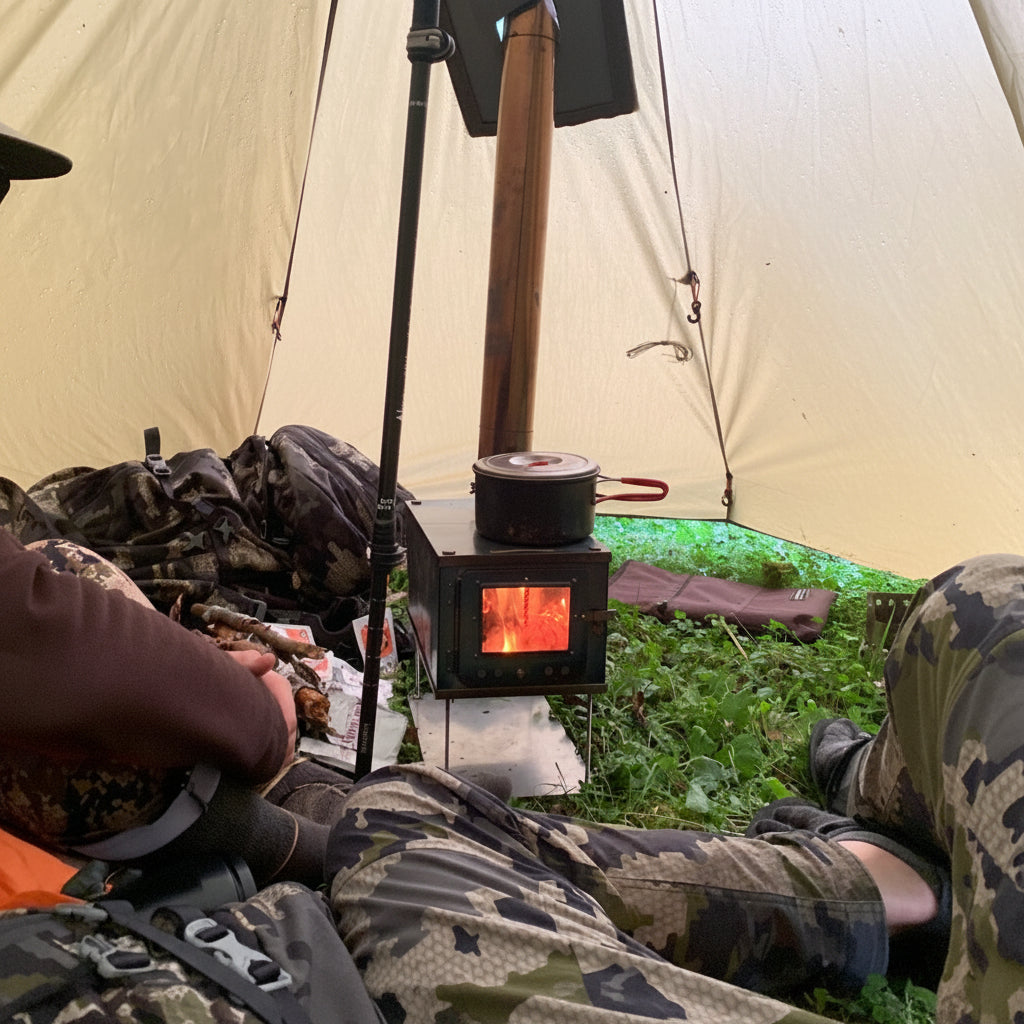
A well-insulated hot tent with proper fabric and construction will retain heat longer, meaning you may not need continuous burning. Canvas tents or premium insulation perform better than basic models. The location of your stove within the tent also matters—a centrally positioned stove radiates heat more evenly, reducing the need for constant fire.
Sleeping System Quality
Your sleeping bag and pad are critical. A high-quality, cold-rated sleeping bag can keep you warm even if the tent cools down overnight. A sleeping pad with good insulation prevents heat loss to the ground. Together, these create a microclimate that may eliminate the need for an all-night stove burn.
Fuel Management and Safety
Running a stove all night requires careful fuel planning and constant attention to safety. You need enough wood to sustain the fire, proper ventilation to avoid carbon monoxide buildup. Many experienced tent campers prefer to let the stove cool after evening use and rely on their sleeping gear instead, reducing complexity and fuel consumption.
Practical Alternatives
Instead of burning all night, consider a hybrid approach: run your stove for 1–2 hours before bed to warm the tent and your sleeping bag, then let it die down. You'll enter sleep in a warm environment with minimal ongoing fuel needs.
The Bottom Line
Most tent camping scenarios don't require all-night burning if you invest in good insulation, a quality sleeping system, and thoughtful pre-sleep warmth. Reserve all-night burning for extended winter adventures or extremely cold environments where the safety and comfort benefits outweigh the fuel and maintenance demands.