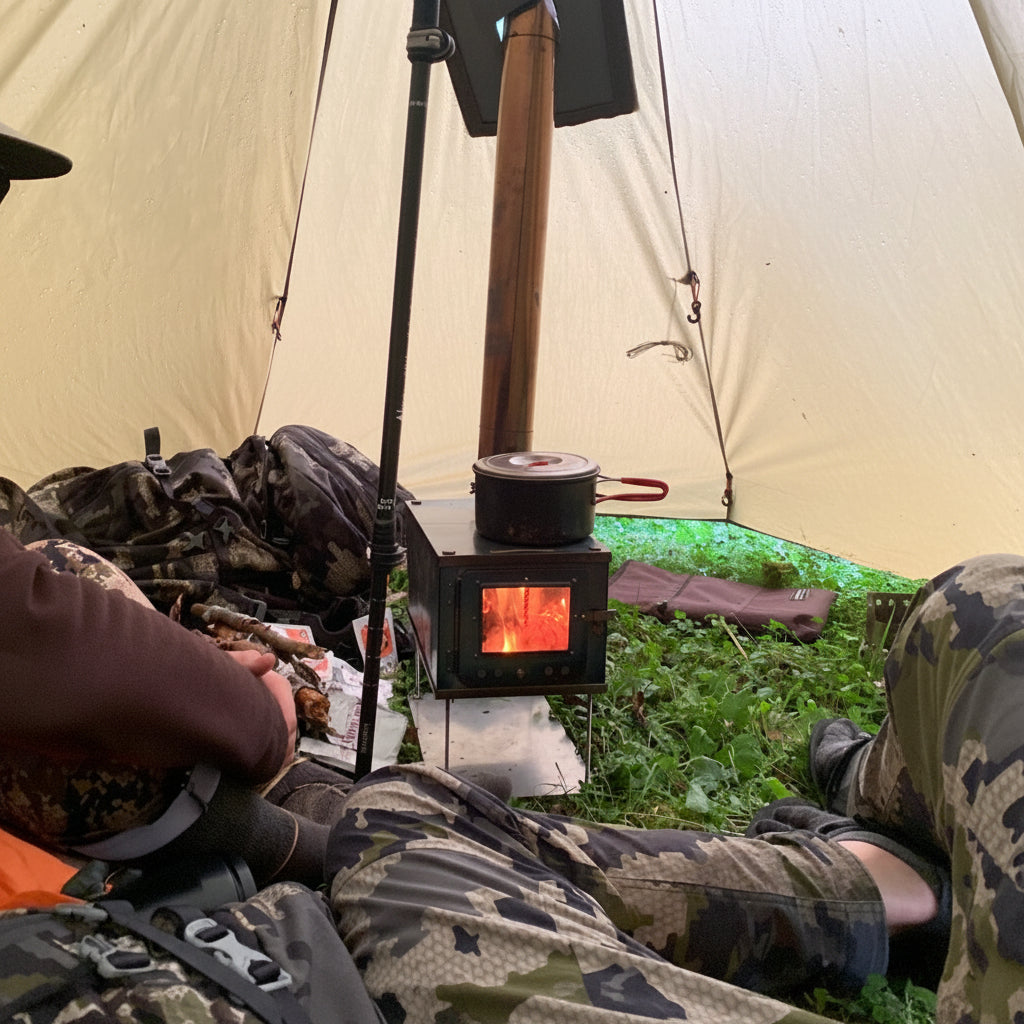
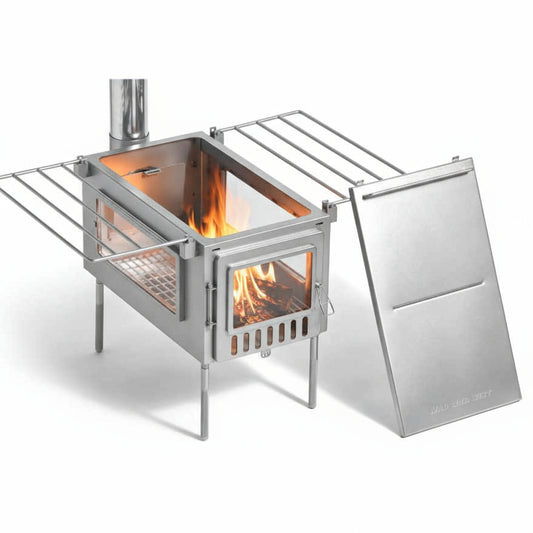
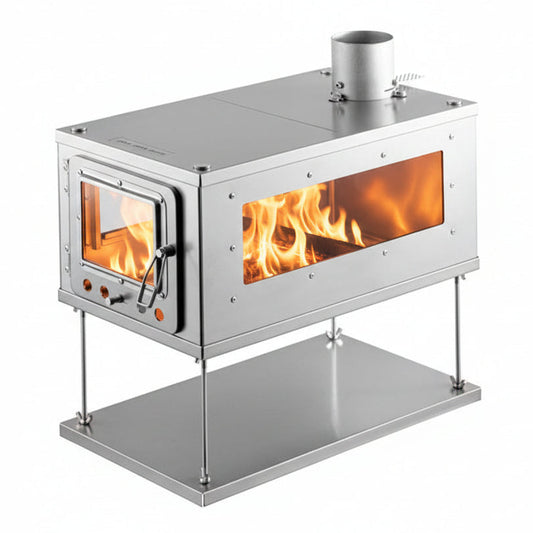
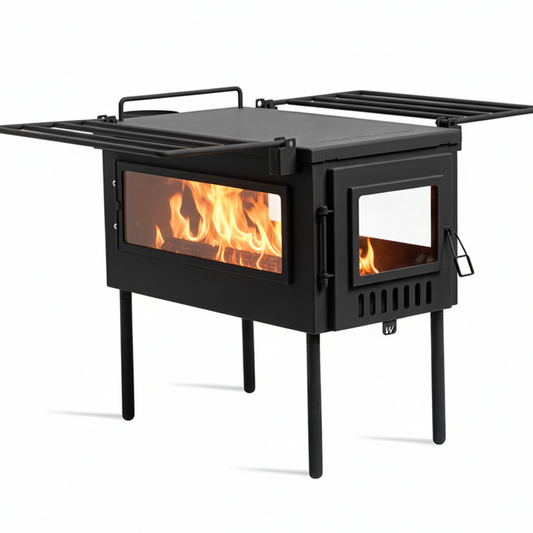
Emergency Kit Preparedness Uses for a Portable Wood Stove
When disaster strikes or you find yourself in an unexpected survival situation, having the right gear can make all the difference. A portable wood stove isn't just for leisurely camping trips—it's a critical piece of emergency preparedness equipment that can keep you warm, cook food, and provide psychological comfort when you need it most.

Why a Portable Wood Stove Belongs in Your Emergency Kit
Unlike fuel-dependent heating systems, a wood stove relies on a renewable resource you can find almost anywhere. In an emergency scenario—whether it's a prolonged power outage, natural disaster, or unexpected wilderness situation—the ability to gather firewood and generate heat independently is invaluable. A quality portable wood stove gives you that independence.
Beyond warmth, a wood stove serves multiple survival functions. It becomes your cooking surface for boiling water, preparing meals, and heat source. The psychological boost of a warm fire in a crisis situation cannot be overstated either. It provides comfort, hope, and a sense of control when circumstances feel chaotic.
Emergency Scenarios Where a Portable Wood Stove Excels
Extended Power Outages: Winter storms, grid failures, and infrastructure damage can leave homes without electricity for days or weeks. A portable wood stove in your basement, garage, or designated safe space becomes your primary heat source and cooking station.
Evacuation and Displacement: If you need to leave your home quickly, a compact wood stove fits into an emergency go-bag or vehicle. It provides warmth and cooking capability at evacuation shelters, temporary housing, or remote safe locations.
Wilderness Emergencies: Unexpected overnight stays, getting stranded, or search-and-rescue scenarios are where portable wood stoves prove their worth.
Off-Grid Resilience: If you're building a backup shelter or off-grid retreat, a wood stove is a cornerstone of self-sufficiency. It works in any climate and requires no external power source.
Building Your Emergency Kit Around a Wood Stove
A portable wood stove is only effective when paired with complementary gear. Include fire-starting tools like waterproof matches, ferro rods, and tinder. Store seasoned firewood in a dry location, or keep a supply of compressed fire logs (with no chemical binders) that burn reliably in wet conditions.
Add heat-resistant gloves, a sturdy poker or tongs, and a metal grate safe cooking. Include cookware designed for stovetop cooking — cast iron works beautifully on a wood stove. Store chimney pipe sections and cleaning tools to maintain safe operation.
Don't forget ventilation planning. Even in emergencies, proper airflow prevents carbon monoxide buildup. Know where you'll safely operate your stove before crisis hits.
Maintenance and Readiness
An emergency kit is only useful if it's ready when needed. Test your portable wood stove seasonally in non-emergency conditions. Verify all components fit together, practice assembly, and confirm it operates safely. Store it in an accessible location with fuel and tools nearby.
Keep your stove clean and free of rust. Replace any worn components before an emergency forces you to improvise with damaged equipment.
Document your stove's specifications and safe operating procedures. In a high-stress emergency, written instructions prevent dangerous mistakes. Include them in your emergency kit binder alongside first aid information and contact numbers.
The Peace of Mind Factor
Emergency preparedness isn't about living in fear—it's about confidence. Knowing you have a reliable way to generate heat, cook food, and create a safe space gives you and your family genuine peace of mind. A portable wood stove is one of the most versatile, durable, and dependable tools you can include in that preparation.
Whether you're preparing for seasonal weather challenges, building a comprehensive emergency plan, or establishing off-grid resilience, a quality portable wood stove deserves a central place in your strategy.