Floorless Shelters vs Traditional Tents for Stove Camping
When it comes to stove camping, the choice between a floorless shelter and a traditional tent can significantly impact your comfort, safety, and overall experience in the backcountry. Both options have distinct advantages, and understanding the differences will help you make the right decision for your camping style.

What Are Floorless Shelters?
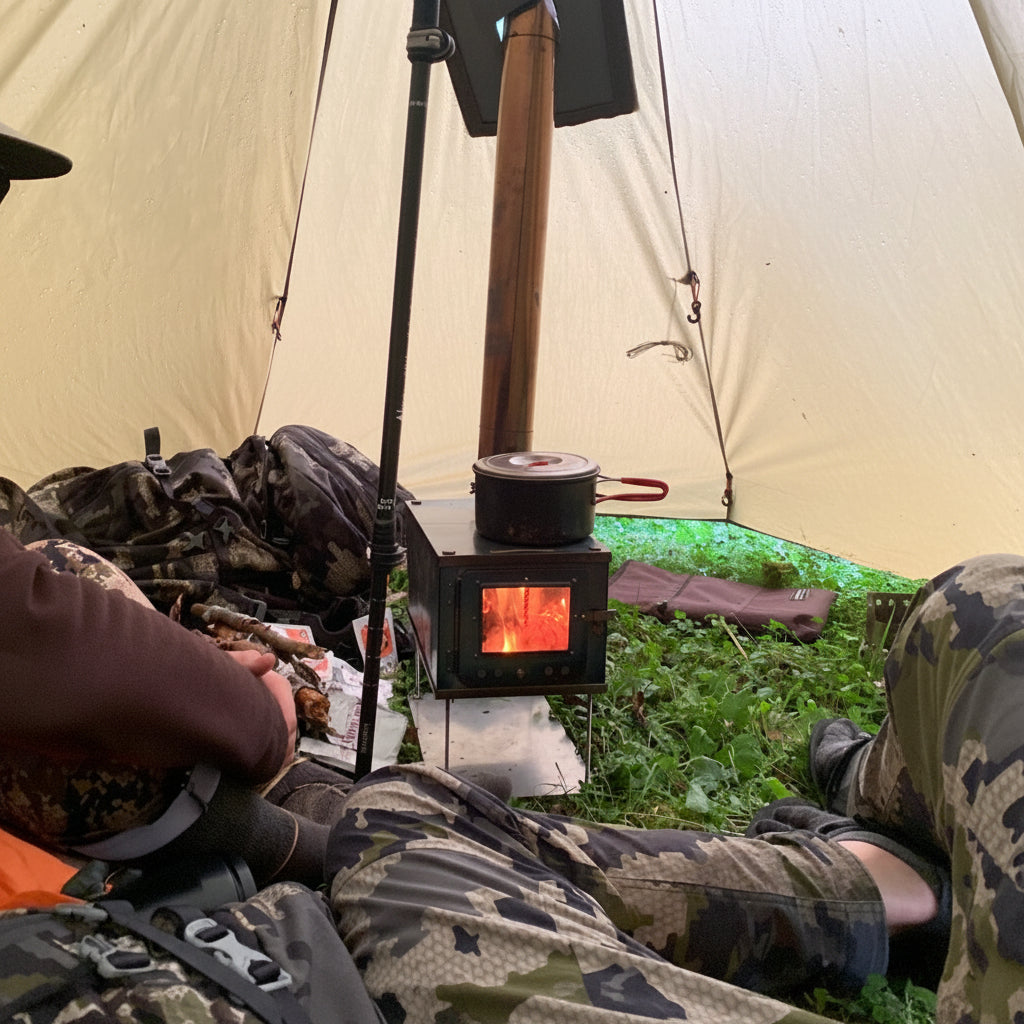
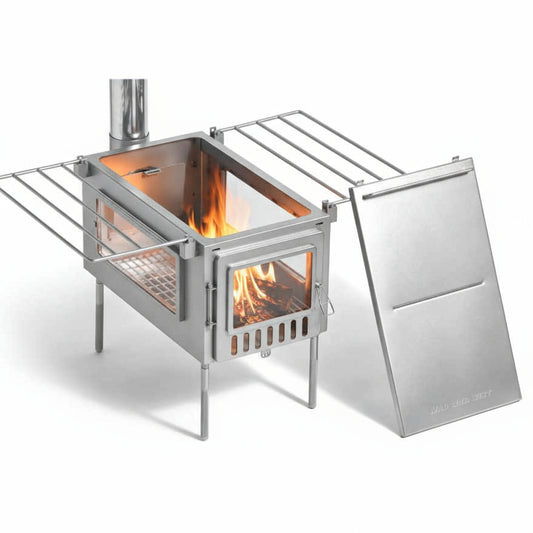
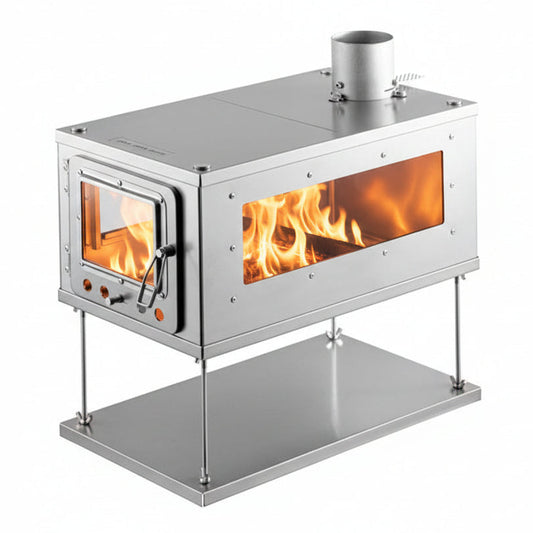
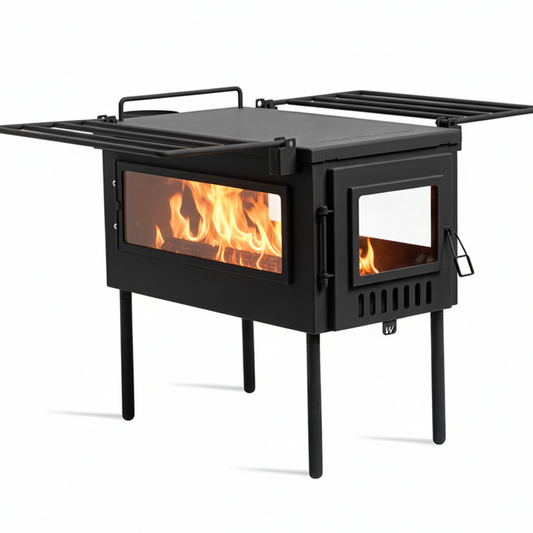
Floorless shelters, often called hot tents or canvas shelters, are open-bottom structures designed specifically for use with tent wood stoves. They typically feature sturdy fabric walls, a peaked or ridge roof, and a stove jack opening where you can position your stove. The absence of a floor allows heat from the stove to warm the ground beneath you, creating a cozy microclimate even in freezing conditions.
These shelters come in various styles, from bell tents to A-frame designs, and are usually made from heavy-duty canvas or nylon.
Understanding Traditional Tents
Traditional tents are fully enclosed structures with a complete floor, designed to trap body heat and provide insulation from the ground. They're lightweight, portable, and come in countless configurations. However, most traditional tents are not designed for internal stove use—some have airtight enclosed space designs and sealed floor create serious safety hazards, including carbon monoxide buildup and fire risk.
Heat Distribution and Comfort
Floorless shelters excel at distributing heat evenly throughout the space. A wood stove radiates warmth in all directions, and without a floor or inner tent barrier, that heat warms the ground and rises naturally. This creates a comfortable environment where you can sit, cook, and sleep in relative warmth, even during harsh winter conditions.
Traditional tents rely on insulation and body heat retention. While modern three-season and four-season tents offer excellent insulation, they can't match the active heating provided by a stove. You'll solely rely on high-quality sleeping bags and layers to stay warm in cold weather.
Safety Considerations
Safety is paramount when camping with a stove. Floorless shelters are engineered with ventilation and open-bottom design to prevent dangerous gas accumulation. The open base allows fresh air to circulate while smoke and exhaust escape naturally.
Traditional tents that are fully airtight should never be used with internal stoves. The sealed environment creates a risk of carbon monoxide poisoning, and the proximity of fabric to heat sources increases fire danger significantly. If you want stove heating, a floorless shelter is the safe option.
Weight and Portability
Traditional tents are generally lighter than floorless shelters when adding a stove, making them ideal for backpackers who prioritize weight savings. A quality two-person tent might weigh 3-5 pounds, while a comparable floorless shelter could weigh 5-30 pounds or more (with stove).
If you're hiking long distances or climbing mountains, a traditional tent's portability is a significant advantage. Floorless shelters can be used standalone with no stove for a more ultralight approach.
Cost and Investment
Floorless shelters with stove represent a larger upfront investment than traditional tents. Quality canvas shelters designed for stove camping can range from several hundred to several thousand dollars, depending on size and materials. Traditional tents offer more budget-friendly options across all price ranges.
However, if stove camping is central to your outdoor pursuits, the investment in a proper floorless shelter pays dividends in comfort and safety over many seasons of use.
Seasonal Versatility
Floorless shelters truly shine in winter and shoulder seasons when temperatures drop significantly. They're less practical for summer camping, where the lack of a floor means insects can enter freely, and heavy canvas can feel unnecessarily warm.
Traditional tents are versatile year-round. Three-season tents handle spring through fall beautifully, while four-season models tackle winter conditions without requiring a stove—though they won't match the comfort level of a heated floorless shelter in extreme cold.
Making Your Choice
Choose a floorless shelter if you prioritize minimalist camping, want active heating for extended trips in cold weather, or plan to establish semi-permanent base camps. The safety, comfort, and heat distribution benefits make them ideal for serious cold-weather adventurers.
Choose a traditional tent if you value lightweight portability, camp across multiple seasons, or prefer the simplicity of a self-contained shelter. They're excellent for three-season backpacking and don't require the additional investment or maintenance of a stove system.
Many experienced campers own both. A traditional tent serves as your go-to for spring and summer trips, while a floorless shelter becomes your winter companion. This approach gives you maximum flexibility and lets you match your shelter to the specific demands of each adventure.