Gathering Mushrooms and Cooking on Tent Wood Stove
There's something magical about foraging in the wilderness and preparing your meal over an open flame. When you combine mushroom gathering with cooking on a tent wood stove, you create an experience that connects you directly to nature while enjoying the comfort and warmth of your campsite.

Finding Mushrooms in the Wild
Mushroom foraging requires patience, knowledge, and respect for the ecosystem. Before you head out, invest time in learning which species grow in your region and how to identify them with certainty. Edible mushrooms vary dramatically by climate and season, so local field guides or experienced foragers in your area are invaluable resources.
Look for mushrooms in damp, shaded areas near fallen logs, under dense tree cover, and in rich soil. Early morning after rain is often the best time to search. Bring a basket or mesh bag to allow spores to spread as you collect, and use a knife to cut mushrooms at the base rather than pulling them up by the roots.
Never consume any mushroom unless you are absolutely certain of its identification. When in doubt, leave it behind. Many poisonous varieties closely resemble edible ones, and the risk simply isn't worth it.
Preparing Your Tent Wood Stove for Cooking
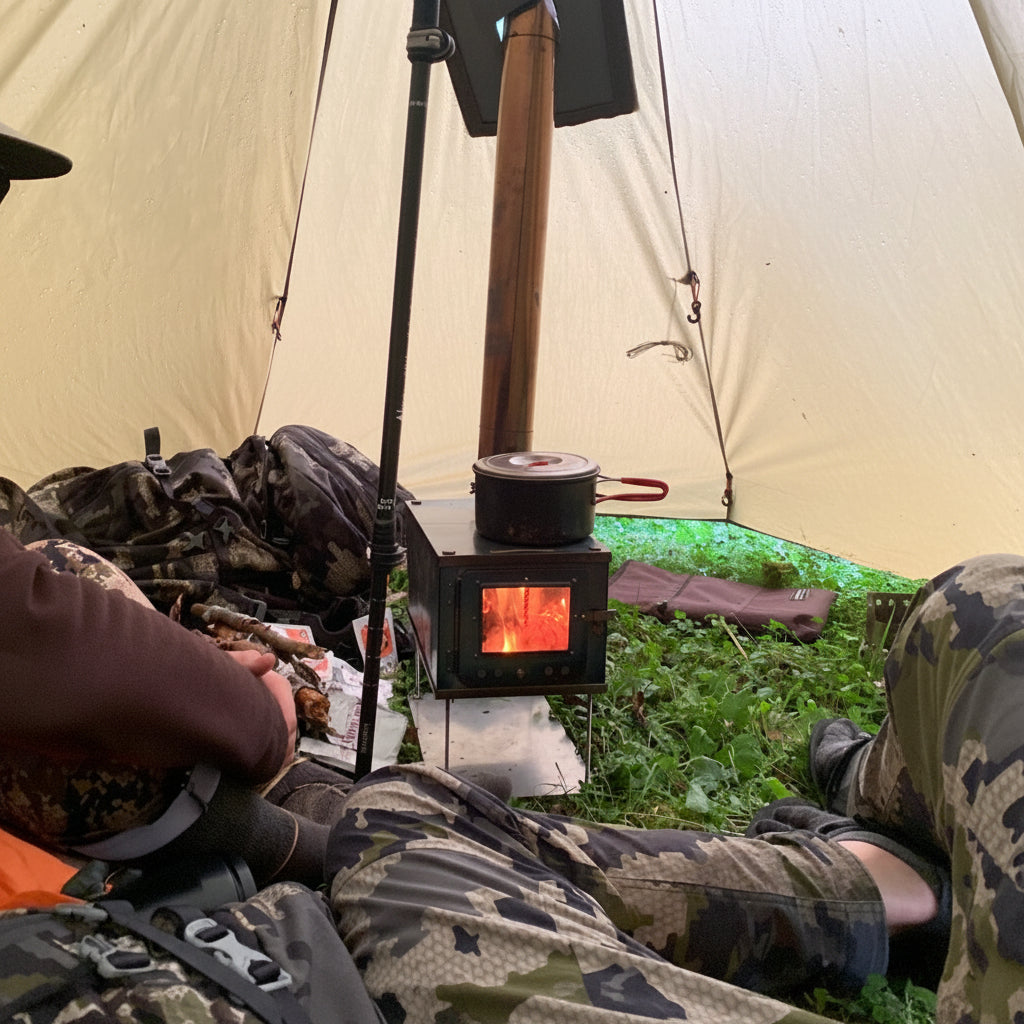
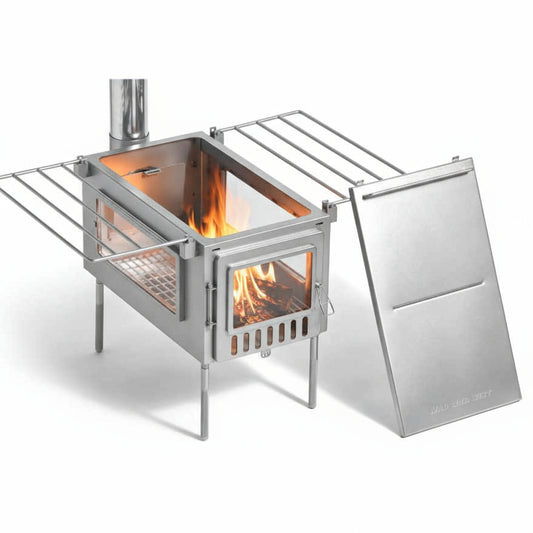
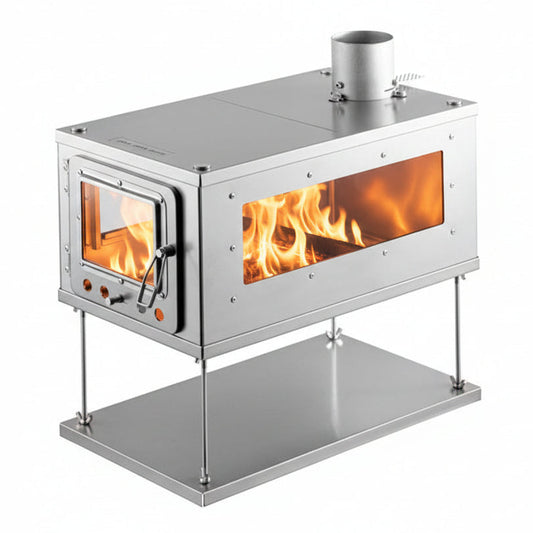
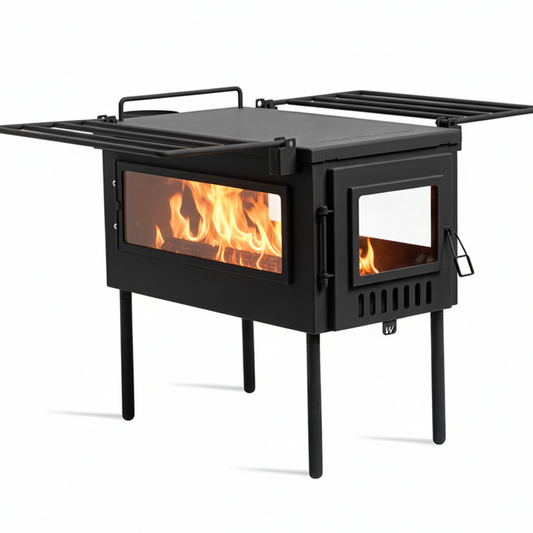
A tent wood stove is an excellent cooking tool when properly set up. Before you begin, ensure your stove is positioned safely away from tent fabric and any flammable materials. Use a heat-resistant mat beneath the stove to protect your tent floor and improve stability.
Allow time for your fire to establish a bed of coals rather than relying on active flames. Coals provide more consistent, controllable heat for cooking. Keep your fuel dry and split into manageable pieces that fit your stove's firebox. Hardwoods like oak and maple burn longer and hotter than softwoods.
Invest in quality cookware designed for camp stoves—cast iron skillets and heavy-bottomed pots distribute heat evenly and withstand direct flame. Always use proper heat protection when handling cookware, and keep a fire extinguisher or water source nearby as a safety precaution.
Cooking Your Foraged Mushrooms
Once you've gathered and positively identified your mushrooms, cleaning is the first step. Gently brush away dirt with a soft cloth or mushroom brush. Avoid soaking them in water, as mushrooms absorb moisture and become soggy. A quick rinse under running water is acceptable for heavily soiled specimens.
Slice mushrooms into uniform pieces to ensure even cooking. Heat your cast iron skillet over the coals until a drop of water sizzles on contact. Add a small amount of fat—butter, oil, or rendered animal fat—and let it heat until shimmering. Place your mushrooms in the skillet and resist the urge to stir constantly. Let them develop a golden crust before turning them over.
Season simply with salt and pepper, or add foraged herbs and garlic if you have them. The natural umami flavor of mushrooms shines brightest when not overwhelmed by heavy seasonings. Cook until tender and the liquid they release has mostly evaporated, typically five to ten minutes depending on size and heat intensity.
Safety and Best Practices
Always prioritize safety when foraging and cooking in the backcountry. Never forage alone if possible, and always tell someone where you're going and when you expect to return. Bring a first aid kit, and know the location of the nearest medical facility.
Keep your cooking area organized and free of clutter. Store fuel away from your cooking zone, and never leave a fire unattended. Teach yourself proper fire management and extinguishing techniques before you need them in an emergency.
Respect the environment by foraging sustainably. Take only what you need, leave some mushrooms to spread spores, and never harvest from protected areas or private land without permission.
The Reward
There's a profound satisfaction in gathering food from the land and preparing it over a wood stove under the stars. The combination of fresh air, honest work, and a meal cooked with your own hands creates memories that last far longer than the meal itself. Whether you're a seasoned forager or trying mushroom gathering for the first time, approach it with curiosity, caution, and respect for the wilderness that provides.