Horse Packing Meals on a Tent Wood Stove for Camping
Cooking Meals on a Tent Wood Stove While Horse Packing
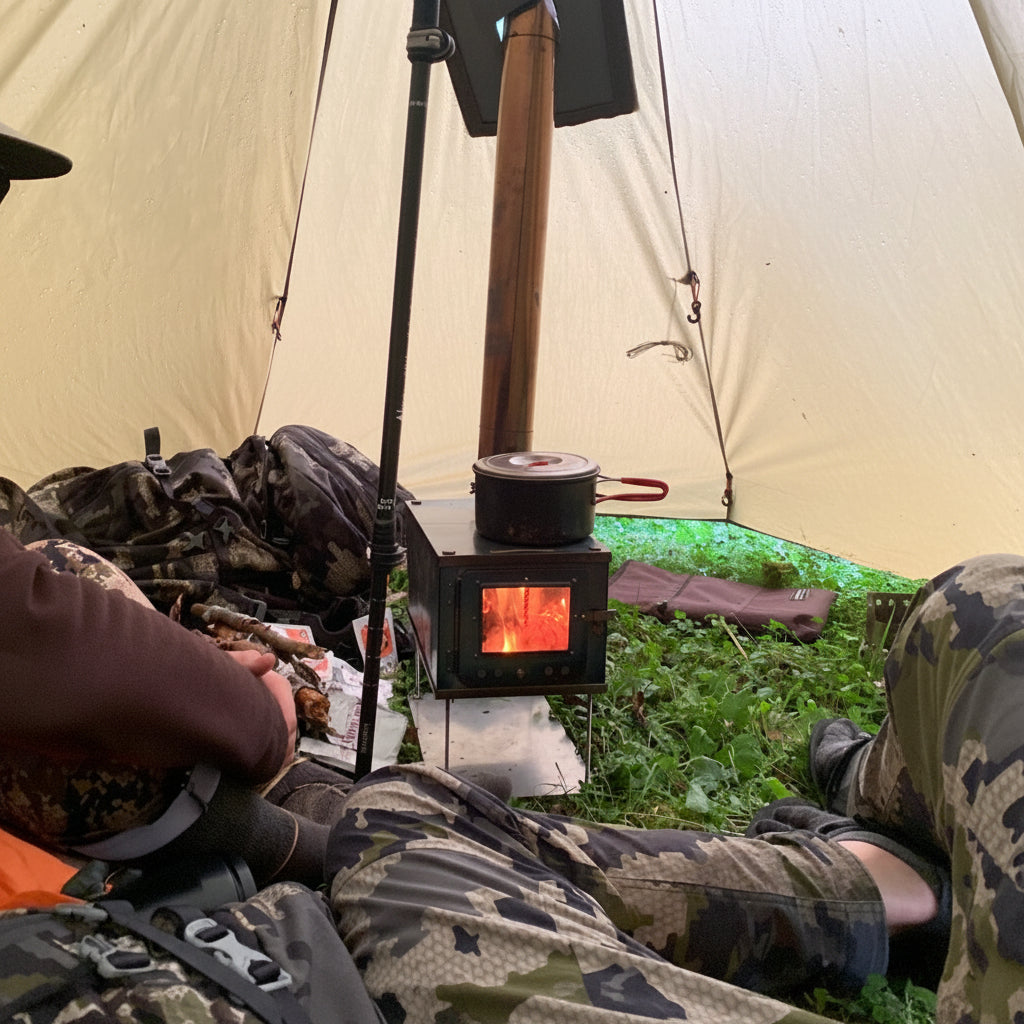
When you're deep in the backcountry on horseback, a reliable tent wood stove transforms your camp into a comfortable basecamp where you can prepare hot meals regardless of weather. Cooking on a wood stove while horse packing requires planning, technique, and the right equipment—but the reward is hearty, warming food that fuels your adventure.

Planning Your Menu for Wood Stove Cooking
The key to successful backcountry meals is choosing recipes that work with the unique heat characteristics of a wood stove. One-pot dishes, cast iron skillet meals, and slow-simmered stews are ideal because they tolerate variable temperatures and don't require precise timing.
Pack lightweight, shelf-stable ingredients: dried beans, rice, pasta, canned vegetables, jerky, and powdered milk. These staples are easy to transport on pack animals and provide the nutrition you need for long days in the saddle. Bring a few fresh items like onions and potatoes—they travel well and add flavor to simple meals.
Essential Cooking Gear for Your Tent Stove
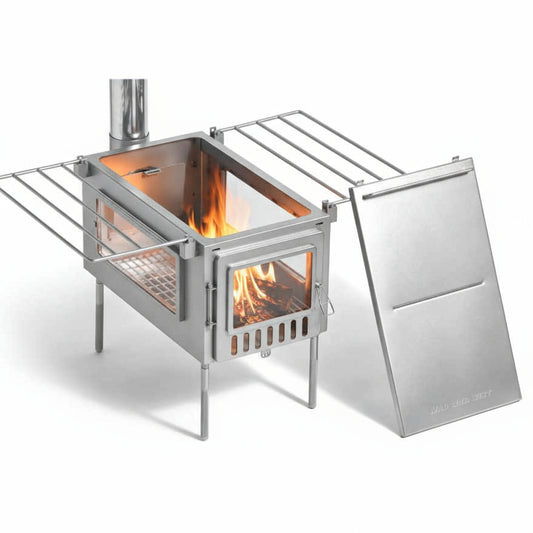
A quality cast iron skillet and a heavy-bottomed pot are your best friends. Cast iron distributes heat evenly and can handle the temperature swings of a wood fire. Include a sturdy metal grate if you wish to BBQ, and always pack heat-resistant gloves or mitts.
Bring a long-handled spoon, tongs, and a spatula—reaching into a hot tent stove is dangerous, so longer handles keep your hands safe. A simple thermometer can help you gauge when your stove is ready for cooking versus when it's too hot.
Managing Heat and Temperature Control
Wood stoves don't offer the precise temperature control of a kitchen range. Instead of fighting this, work with it. Keep your fire moderate and steady rather than blazing hot. Add wood gradually to maintain consistent warmth, and position your cookware toward the cooler edges of the stove surface for gentler cooking.
For boiling water or simmering soups, place your pot directly over the hottest part of the fire. For skillet cooking or dishes that need lower heat, move your pan to the side or slightly away from the firebox opening. This simple positioning technique gives you surprising control over cooking speed.
Practical Recipes for Backcountry Cooking
A hearty bean and vegetable stew is a horse packer's staple. Sauté dried onions in your cast iron skillet, add canned beans, dried vegetables, and broth, then transfer to your pot and let it simmer on the stove for an hour. The longer cooking time is actually an advantage—your meal develops deep flavor while you rest and tend to your stock.
Cornbread or biscuits baked in a cast iron skillet over moderate heat round out a meal perfectly. Prepare your batter before camp, then cook it slowly on the stove surface. The results rival oven-baked versions and require no special equipment.
Rice and pasta dishes are forgiving and filling. Cook your base grain in boiling water, then stir in canned vegetables, jerky, or powdered sauce. These meals come together quickly and provide the calories you need for another day of riding.
Safety and Ventilation Considerations
Always ensure your tent stove is properly vented through the roof with a quality chimney pipe. Never cook in a tent without adequate ventilation—carbon monoxide and smoke buildup are serious hazards. Keep your stove at least three feet from tent walls and away from gear that could catch fire.
Never leave a cooking fire unattended. Wood stoves can flare up unexpectedly, and a pot can boil over in seconds. Keep water nearby for emergencies and establish a clear cooking zone where pack animals and other camp members know to stay clear.
Cleanup and Camp Efficiency
Minimize your cleanup by cooking in the same pot or skillet whenever possible. Melt snow or collect water from a nearby source for washing. A small amount of biodegradable soap and a scrub pad are all you need. Dispose of greywater at least 200 feet from water sources, and pack out all food scraps.
Cooking on a tent wood stove connects you to a timeless tradition of backcountry travel. With thoughtful planning and respect for your equipment, you'll enjoy warm, satisfying meals that make your horse packing adventure truly memorable.
Leave No Trace: Why a Tent Wood Stove is the Responsible Choice
Traditional campfires leave visible scars on the landscape—blackened rocks, ash deposits, and compacted soil that take years to recover. When you're horse packing in sensitive backcountry, a tent wood stove is the environmentally responsible alternative that lets you cook without compromising the wilderness you love.
A contained wood stove burns fuel efficiently and completely, producing minimal ash and no charred fire rings. This approach respects fragile alpine meadows, desert basins, and riparian zones where open fires are either prohibited or cause lasting damage.
Wood stoves also reduce your impact on local forests. Because they burn hot and complete, you need less wood overall compared to an open fire. You're not stripping branches or cutting standing deadwood—just gathering small, naturally fallen pieces. This minimal harvesting preserves the forest structure and the habitat it provides.
Beyond environmental benefits, a tent stove gives you cooking reliability in areas where fires are restricted (with spark arrestor) or where weather makes open flames impossible. Rain, wind, and high altitude don't stop a properly vented wood stove. You cook safely inside your tent, protected from the elements while leaving the backcountry pristine for the next traveler.