Hot Tent Camping with Dogs Outdoors
Bringing Your Dog on a Hot Tent Camping Adventure
Hot tent camping opens up a world of possibilities for outdoor enthusiasts—and if you're a dog owner, it's the perfect way to share your passion for the backcountry with your four-legged companion. Unlike traditional camping, hot tents with wood stoves create a warm, comfortable environment that can actually be safer and more enjoyable for dogs in cold weather. Here's what you need to know to make your next trip a success.

Why Hot Tents Are Great for Dogs
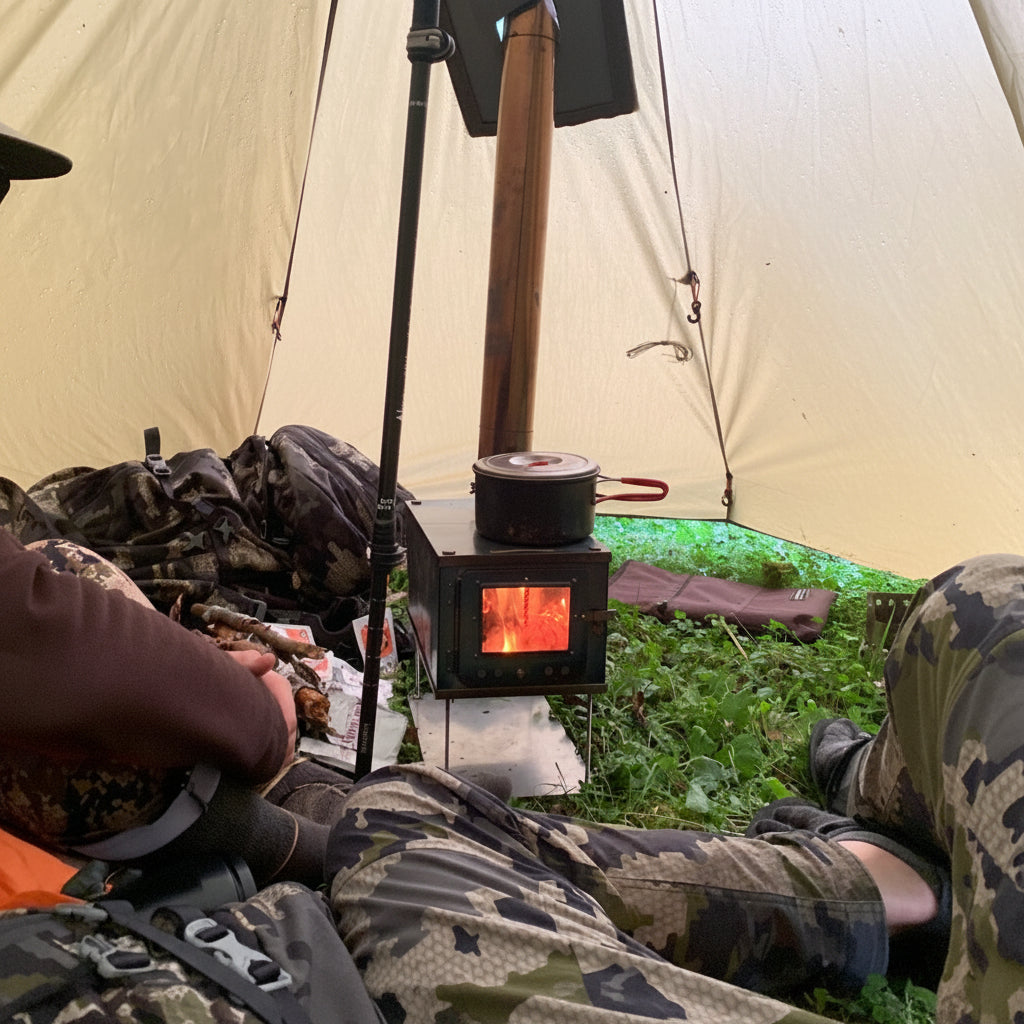
The biggest advantage of hot tent camping with dogs is temperature control. A quality wood stove keeps the interior warm and cozy, which is especially important for dogs that aren't accustomed to extreme cold. Older dogs, puppies, and breeds with shorter coats benefit tremendously from this added warmth. Your dog can rest comfortably through the night instead of shivering in a traditional tent, and you'll have peace of mind knowing they're safe and cozy.
Hot tents also provide better protection from the elements. Wind, snow, and moisture are kept at bay, creating a secure shelter where your dog can relax without stress. Many dogs find the enclosed, warm space calming—it becomes a den-like refuge that they naturally gravitate toward.
Preparing Your Dog for Hot Tent Camping
Before heading into the wilderness, make sure your dog is physically ready for the journey. A camping trip involves hiking, uneven terrain, and extended time away from home. Start with shorter trips to build endurance, and consult your veterinarian if your dog has any health concerns or mobility issues.
Acclimate your dog to the tent environment gradually. Set up your hot tent in the backyard and let them explore it. Introduce them to the sound and smell of the wood stove so they're not startled when it's running. This familiarity will make the actual camping experience much less stressful.
Essential Gear and Safety Considerations
Pack a dog-specific camping kit that includes a comfortable sleeping pad or blanket, food and water bowls, enough food for the entire trip plus extra, and any medications your dog takes regularly. Bring a leash and collar, even if your dog is well-trained—wildlife encounters and unfamiliar terrain make it essential to keep them under control.
Inside the hot tent, establish a safe zone for your dog away from the wood stove. A dog bed positioned at least several feet from the stove prevents accidental burns and keeps them comfortable. Never leave your dog unattended near an active stove, and ensure proper ventilation so carbon monoxide doesn't accumulate.
Pack a first aid kit tailored for dogs, including bandages, antiseptic, pain relief, and any prescription medications. Include their vaccination records in case you need emergency veterinary care. Know the location of the nearest vet clinic to your camping area.
Managing Your Dog's Comfort and Behavior
Establish a routine while camping. Dogs thrive on consistency, so maintain regular feeding times, bathroom breaks, and rest periods. Take your dog out frequently, especially before bedtime, to prevent accidents inside the tent.
Exercise is important, but avoid strenuous activity immediately before or after meals. Let your dog explore and play during the day, but keep them close and supervised. Use a long leash if you're in an area with wildlife or other hazards.
Some dogs experience anxiety in new environments. Bring familiar items like their favorite toy or a blanket that smells like home. The warmth and coziness of a hot tent often helps anxious dogs settle down more easily than a cold traditional tent would.
Nutrition and Hydration on the Trail
Maintain your dog's regular diet while camping—sudden changes can cause digestive upset. Pack enough food for the entire trip, plus extra in case you're delayed. Bring collapsible water bowls and ensure your dog has access to fresh water throughout the day and night.
In winter camping scenarios, snow can be melted for water, but always provide fresh drinking water when possible. Dehydration is a real risk, especially at higher elevations or in dry climates.
Wildlife and Environmental Awareness
Hot tent camping often takes you into remote areas where wildlife is present. Keep your dog close and under control at all times. Store all food, trash, and scented items securely to avoid attracting bears or other animals. Never allow your dog to chase wildlife—it's dangerous for them and disruptive to the ecosystem.
Be aware of local regulations regarding dogs in wilderness areas. Some parks and protected lands have restrictions on where dogs can go. Check ahead and plan your route accordingly.
The Rewards of Sharing the Outdoors
Hot tent camping with your dog creates unforgettable memories and strengthens your bond. Watching your dog relax by the warmth of a wood stove, surrounded by nature, is a special experience that traditional camping simply can't match. With proper preparation and attention to their needs, your dog will be a happy, healthy companion on your next backcountry adventure.