Hot Tent vs Traditional Tent Camping
The Case for Hot Tents: Why Campers Are Making the Switch
When most people think of winter camping, they imagine shivering in a sleeping bag, counting down the hours until sunrise. But there's a better way—and it's changing how serious outdoor enthusiasts approach cold-weather adventures.
Hot tents, equipped with wood stoves, offer a fundamentally different camping experience compared to traditional tents. If you're considering your next camping setup, understanding the differences between these two approaches will help you make the right choice for your style of camping.

What Makes a Hot Tent Different
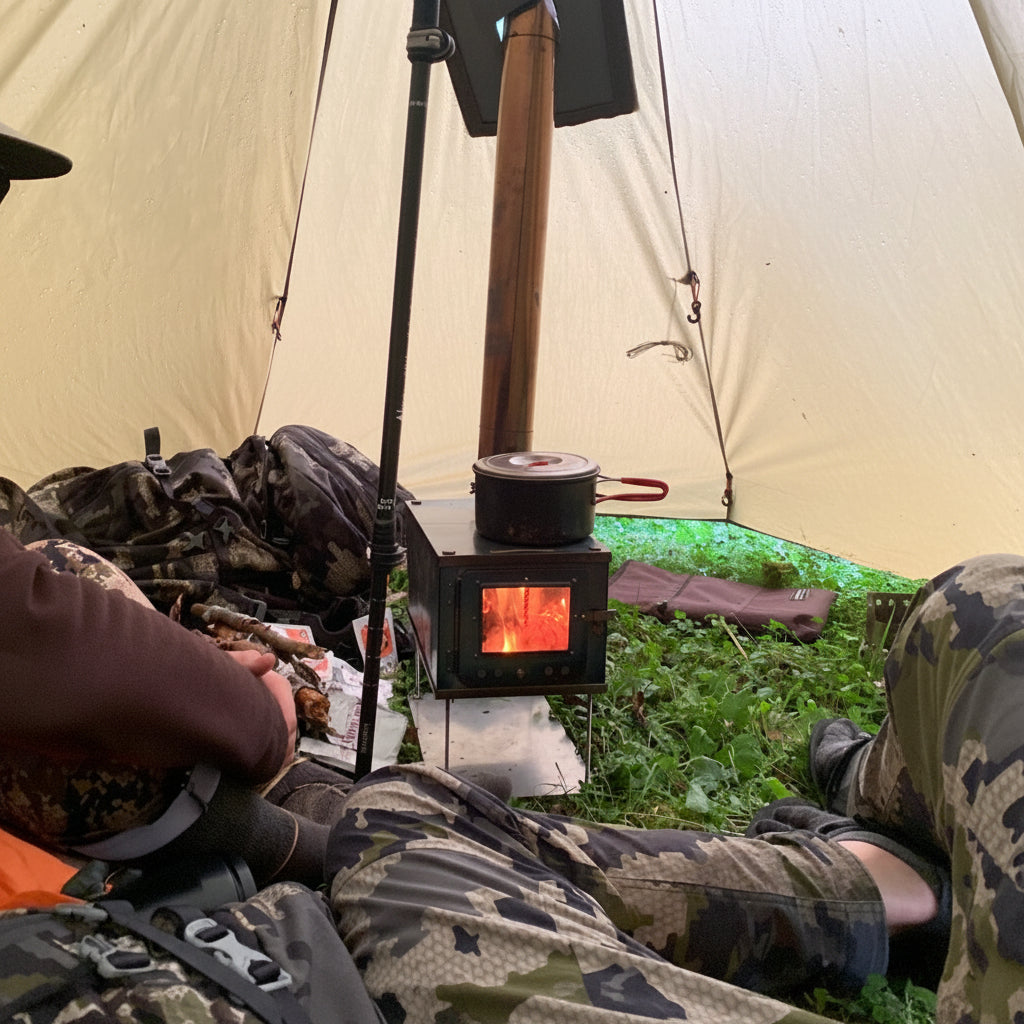
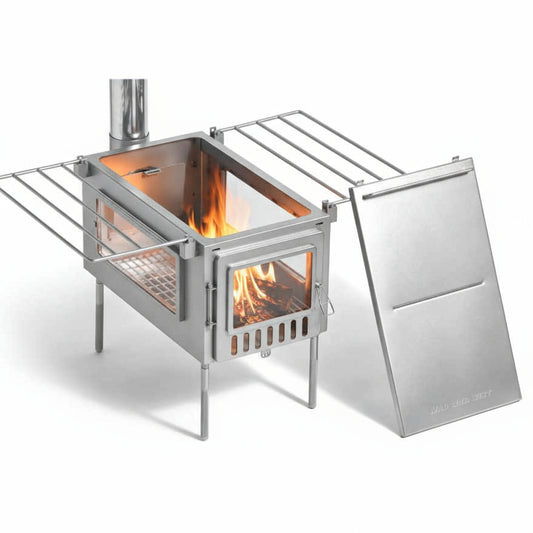
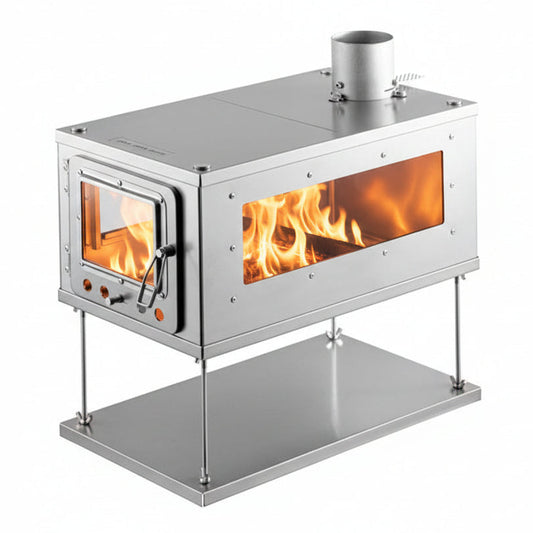
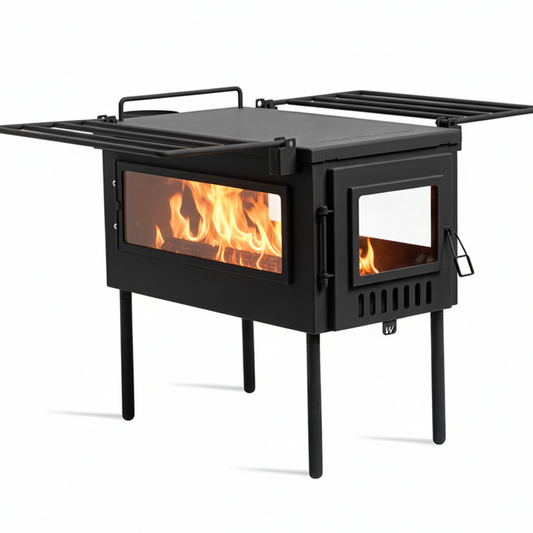
A hot tent is a shelter specifically designed to accommodate a wood stove. The tent fabric has a Stove Jack, engineered to withstand high temperatures near the stove pipe. The stove itself—usually a compact wood-burning unit—sits safely inside the tent, creating a warm, livable space even in sub-zero conditions.
Traditional tents, by contrast, are designed as insulated sleeping shelters. They rely on your body heat, sleeping bag insulation, and the tent's thermal properties to keep you warm. They're not built to handle the heat or exhaust from an internal stove (without a stove jack).
Comfort and Livability
This is where hot tents shine. Inside a hot tent, you can sit upright, move around freely, and actually enjoy your time in camp. You can dry wet gear, cook comfortably, and spend hours reading or working without being confined to a sleeping bag. The interior temperature can reach 50–70°F even when it's well below freezing outside.
Traditional tents keep you alive and reasonably comfortable in a sleeping bag, but they're primarily designed for sleeping. Extended time awake in cold weather means staying bundled up, limiting your activities, and dealing with tent condensation buildup.
Setup and Portability
Traditional tents win on portability, because of no wood stove to carry. The system is generally lighter, pack smaller, and require minimal setup. If you're hiking into the backcountry, a traditional tent is the practical choice.
Hot tents are heavier (with wood stove) and require more space. You'll need a stove, a saw, and a stove jack. They're best suited for sleeping in the backcountry longer than a single night. The trade-off is worth it if comfort and extended camp time matter more than ultralight efficiency.
Cost Considerations
A quality traditional tent ranges from a few hundred to over a thousand dollars, depending on features and materials. A hot tent setup—including the tent, stove, and necessary hardware—may represent a larger investment, typically ranging higher. However, if winter camping is a regular part of your routine, the added comfort and usability often justify the expense.
Safety and Maintenance
Both setups require proper knowledge. Traditional tents need good insulation and ventilation to prevent condensation. Hot tents demand careful stove operation, proper chimney installation, and awareness of carbon monoxide risks. Neither is inherently unsafe if used correctly, but hot tents do require more technical knowledge and attention.
Which One Is Right for You?
Choose a traditional tent if you prioritize lightweight backpacking, frequent moves, and minimal setup complexity. Choose a hot tent if you value comfort, plan to spend extended time in camp, and are willing to invest in a wood stove setup.
Many serious winter campers eventually own both—a traditional tent for backcountry backpacking and a hot tent for more base camp comfort. The best choice depends on your goals, budget, and the type of adventures you're planning.