How a Collapsible Tent Wood Stove Works
How a Collapsible Tent Wood Stove Works
A collapsible tent wood stove is an ingenious piece of camping equipment designed to provide reliable heat and cooking capability in remote outdoor settings. Understanding how it operates can help you get the most out of this essential gear during your adventures.

The Basic Design
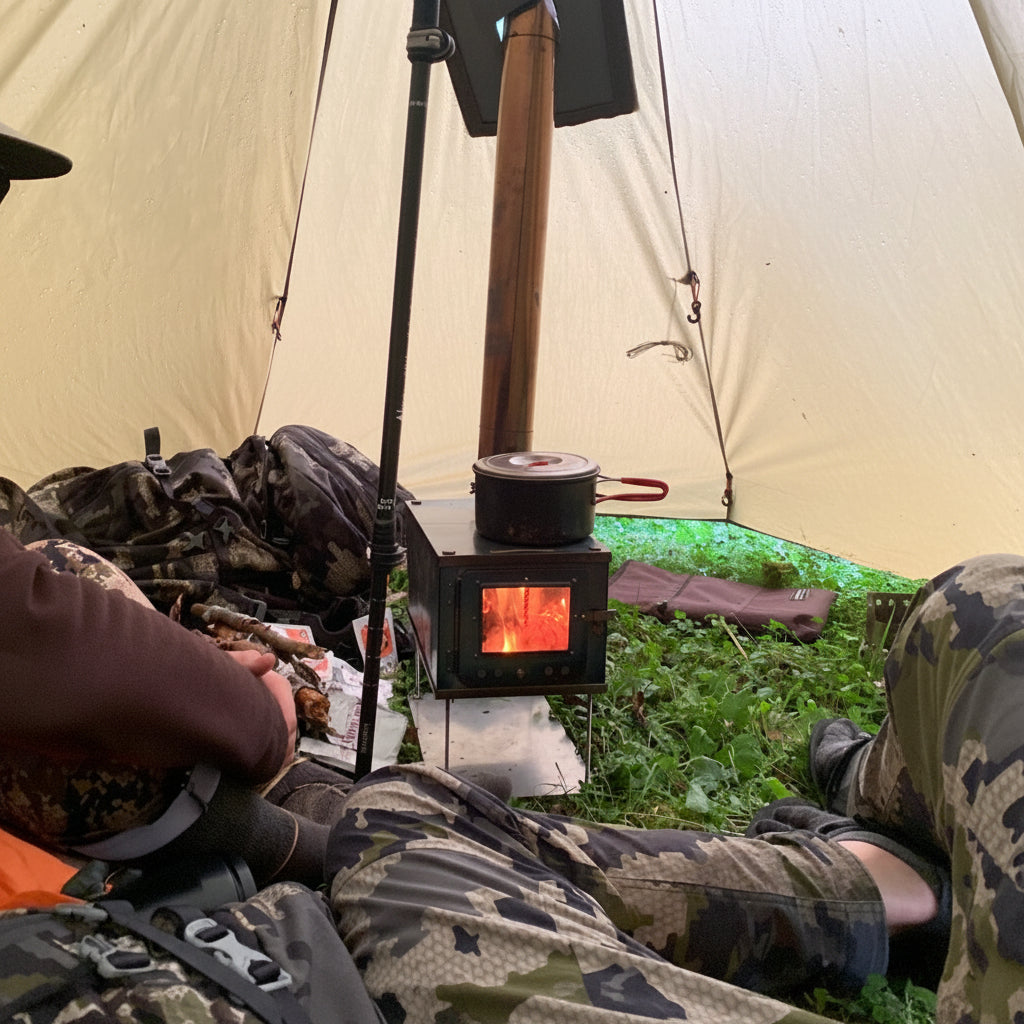
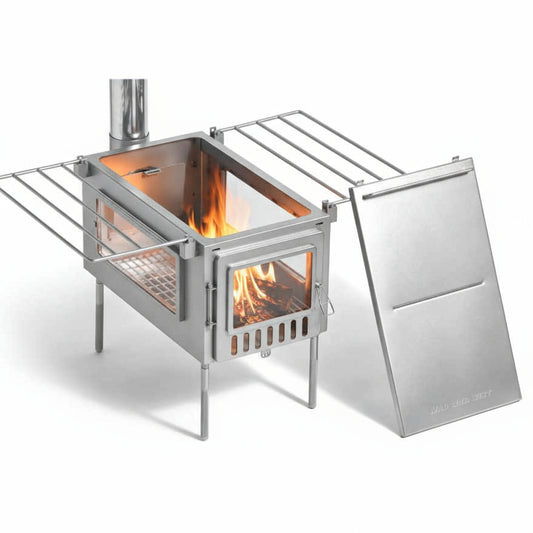
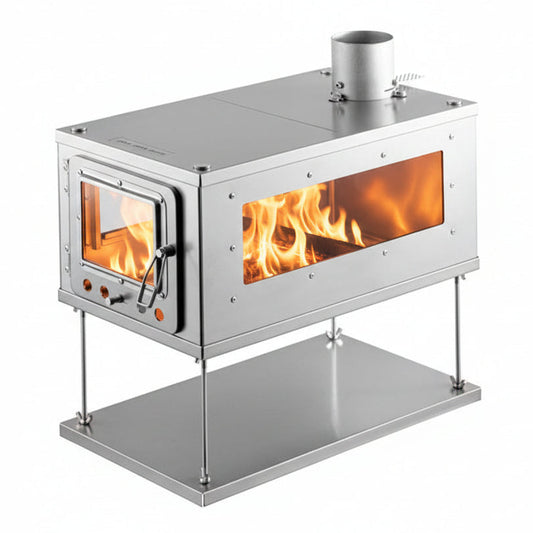
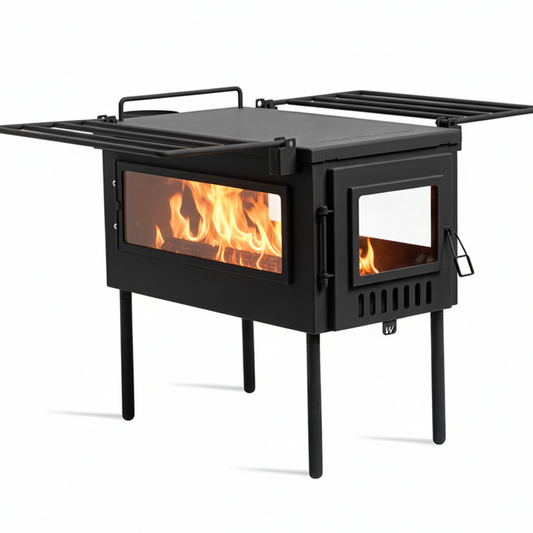
Collapsible tent wood stoves are engineered with a flat-pack structure design, that allows them to fold down for transport and storage. The stove consists of a firebox chamber, and a roll-up chimney pipe system. When assembled, these components create a complete combustion chamber that safely contains and directs heat and smoke.
Assembly and Setup
Setting up your collapsible wood stove is straightforward. The flat panels slot together or connect via hinges and fasteners to form the box shape. The chimney pipe section unrolls, slide on included pipe rings vertically and connect to the top of the firebox. Once assembled, the stove sits on legs or a base that elevates it off the ground, allowing air to flow into intake for proper fire combustion.
The Combustion Process
Wood stoves operate on a simple principle: burning wood releases heat energy. You load seasoned firewood into the firebox through the front door opening. As the wood burns, it creates hot gases and flames. The internal design of the stove directs these gases upward through the chimney pipe, which vents them safely outside your tent using a stove jack. This continuous flow of hot air and exhaust creates a draft that keeps the fire burning efficiently.
Heat Distribution
The metal walls of the stove absorb heat from the burning wood and radiate it into your tent space. The longer the smoke travels through the chimney pipe before exiting, the more heat is transferred to your shelter. This is why chimney height and tent design configuration matter—they directly affect how much warmth your tent receives.
Safety Features
Quality collapsible tent wood stoves include design elements that prioritize safety. The chimney pipe extends upward and out through a heat-resistant stove jack opening in your tent, keeping hot metal away from fabric. Some models include dampers or adjustable air vents that let you control the burn rate and heat output.
Fuel and Efficiency
These stoves work best with seasoned hardwood that has been dried for at least six months. Wet or green wood produces excessive smoke and creosote buildup in the chimney. Proper wood selection ensures cleaner burning, better heat output, and easier maintenance. The compact design means you don't need large quantities of fuel to stay warm through cold nights.
Why Collapsible Design Matters
The ability to collapse and pack flat makes these stoves practical for backcountry camping where weight and space are critical. Unlike traditional wood stoves, collapsible models can be transported in a backpack or vehicle without taking up excessive room. Once you reach your campsite, assembly takes just minutes, and you're ready to enjoy reliable heat and cooking capability.