How Hot It Gets Inside a Hot Tent with Wood Stove
Understanding Tent Temperature with a Wood Stove
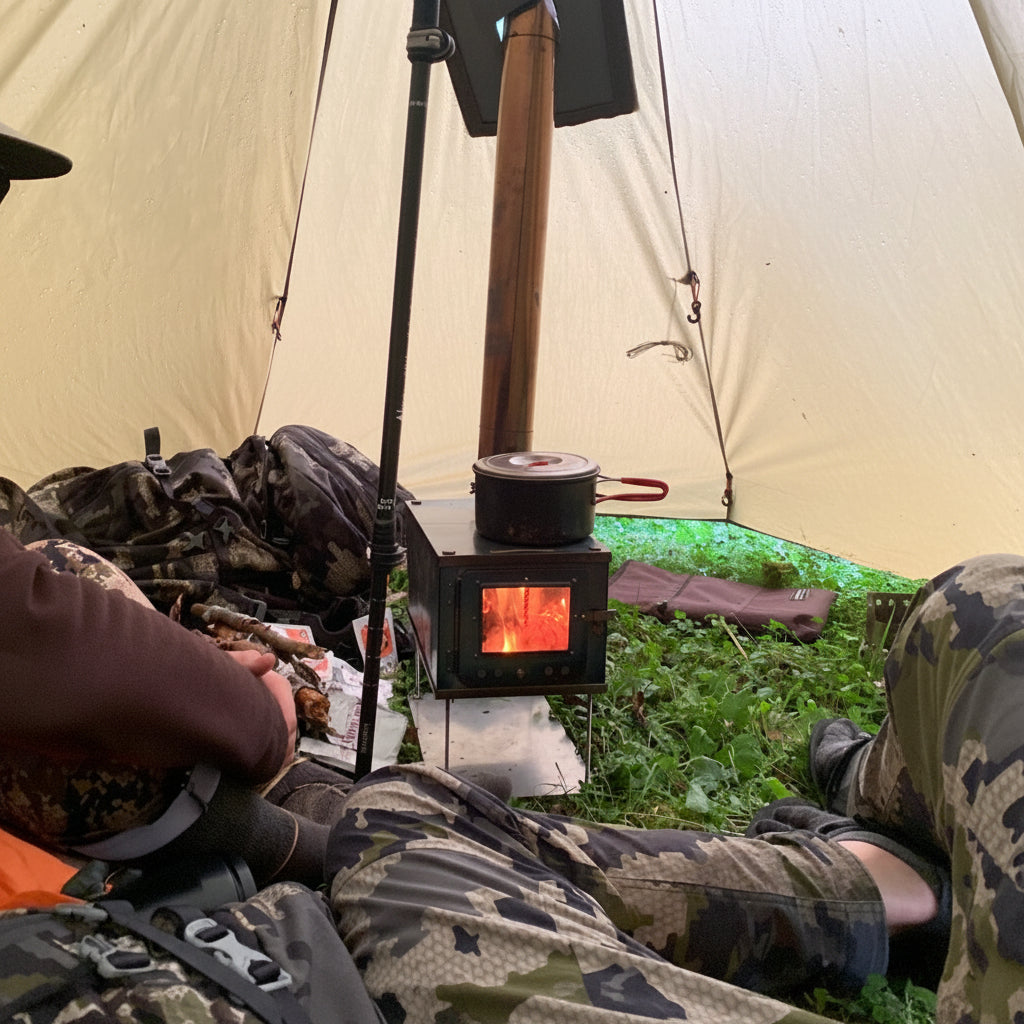
One of the most common questions from hot tent enthusiasts is simple but important: just how warm can your tent actually get with a wood stove inside? The answer depends on several factors, but understanding the basics will help you plan comfortable camping trips in cold weather.

Typical Temperature Ranges
A quality wood stove in a properly insulated hot tent can raise interior temperatures significantly above the outside air. In most conditions, you can expect the tent interior to reach 40 to 60 degrees Fahrenheit warmer than the ambient temperature outside. On a night when it's 20 degrees outside, your tent could comfortably sit at 60 to 80 degrees Fahrenheit with an active fire.
With optimal conditions—the average tent, good insulation, and consistent fuel—some users report achieving temperatures in the 80 to 100 degree range, though this varies widely based on setup and weather.
Factors That Affect Heat Output
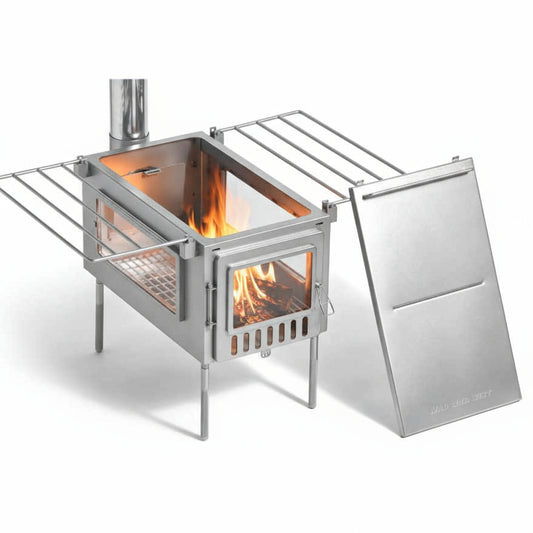
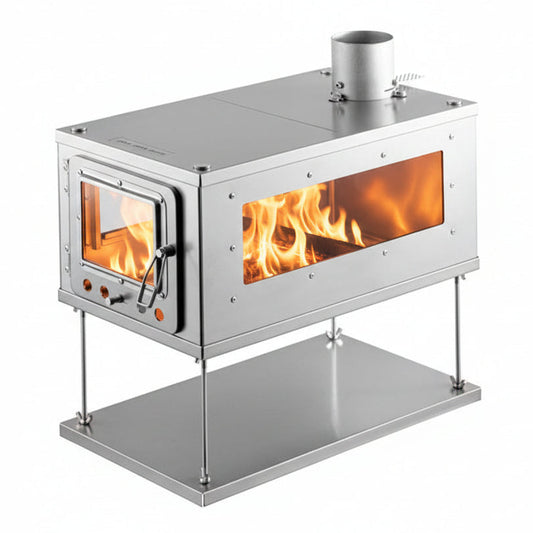
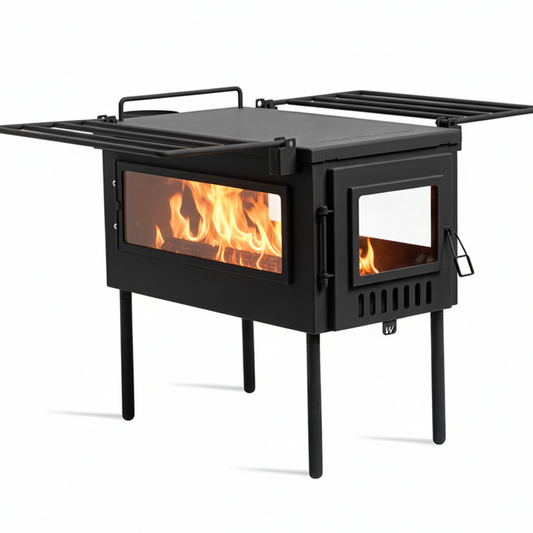
Stove Size and Design: Larger stoves with greater surface area radiate more heat. A compact ultralight stove will warm a small shelter differently than a full-sized wood stove designed for larger canvas tents.
Tent Material and Insulation: Canvas hot tents retain heat far more effectively than thin nylon alternatives. The tent's construction directly impacts how much warmth stays inside versus escaping through the fabric.
Fuel Quality: Dry, seasoned hardwood burns hotter and longer than wet or softwood. Consistent fuel means consistent heat output throughout the night.
Ventilation Setup: Proper chimney installation and airflow management affect both heat distribution and safety. A well-designed stovepipe system maximizes warmth while minimizing condensation.
Outside Temperature: The colder it is outside, the more heat escapes through the tent walls. Extreme cold means you'll need more fuel to maintain comfortable interior temperatures.
Safety Considerations
While reaching high temperatures is possible, remember that wood stoves require careful management. Proper ventilation prevents carbon monoxide buildup, and maintaining safe distances from the stove and tent fabric is essential. Never leave a fire unattended, and always follow manufacturer guidelines for your specific stove model.
With the right equipment and knowledge, a wood stove transforms cold-weather camping from uncomfortable to genuinely cozy.
The Role of Coals in Sustained Heat
Many new hot tent users focus on maintaining a visible flame, but experienced campers know that hot coals are actually more important for consistent, long-lasting warmth. While flames provide immediate heat and visual feedback, glowing coals deliver steady radiant heat that keeps your tent warm through the night with less active tending.
A bed of hot coals burns slower and more efficiently than active flames, meaning you can add fuel less frequently and still maintain comfortable temperatures. This is especially valuable during long winter nights when you want to minimize wake-ups to feed the stove. The key is learning to manage your fire so that you build a solid coal base rather than constantly chasing visible flames.
To maximize coal production, use dense hardwoods that create substantial coals as they burn down. When you do add new fuel, place it strategically to preserve your existing coal bed rather than burying it. This approach gives you more predictable heat output and extends the time between refueling, making for a more restful night in the backcountry.