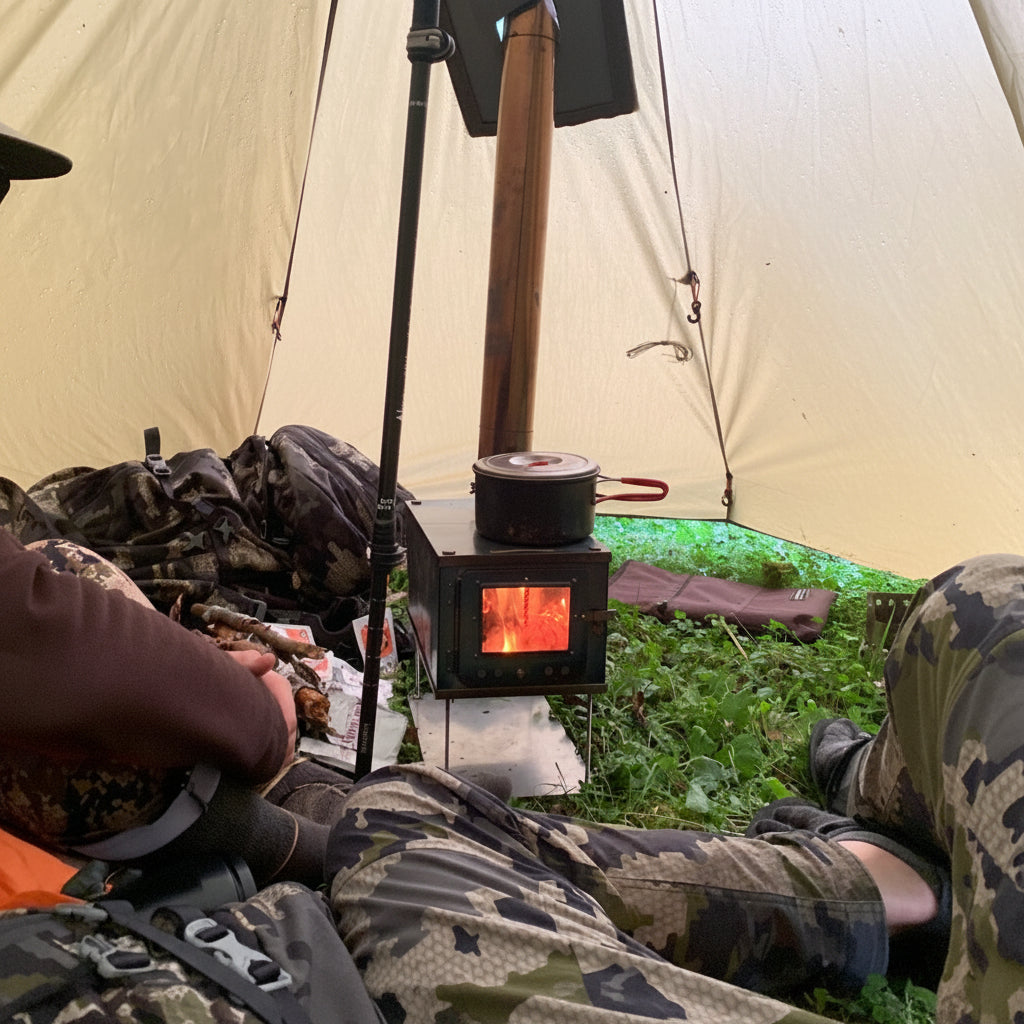
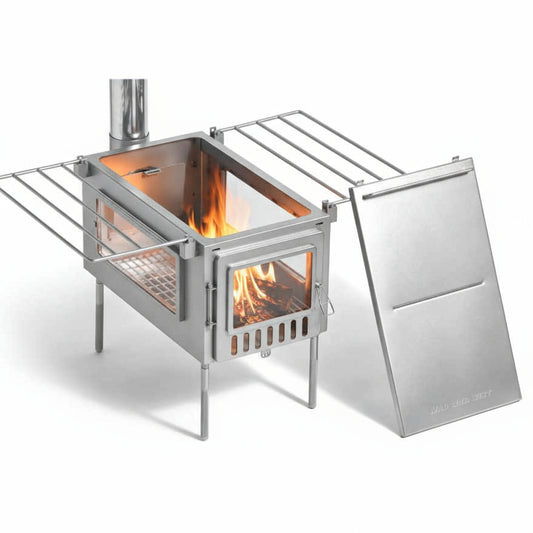
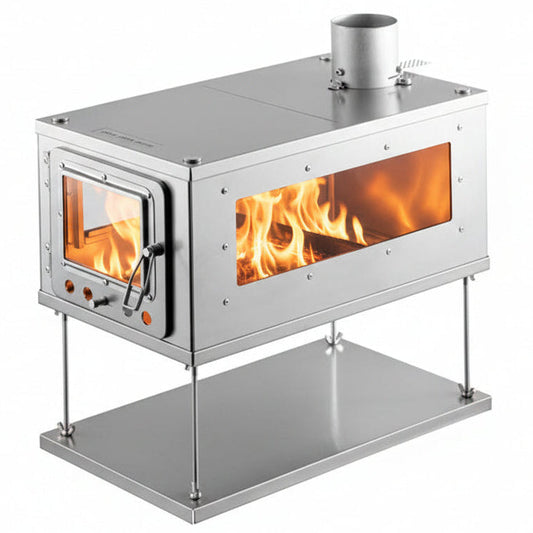
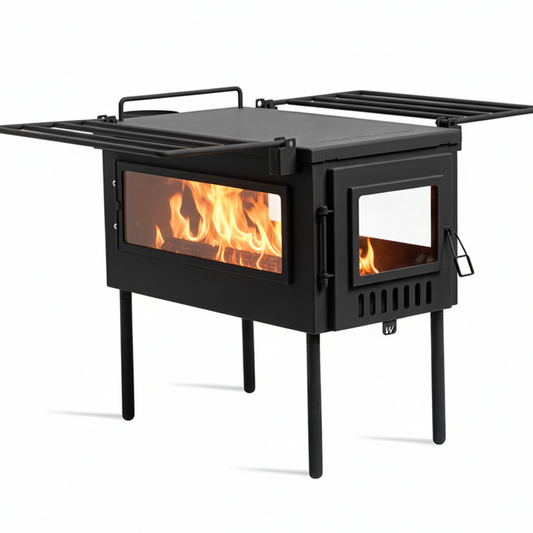
How Stove Jack Location Affects Tent Wood Stove Heat Output
The location of your stove jack—the opening in your tent where the chimney passes through—plays a surprisingly significant role in how effectively your wood stove heats your tent. Understanding this relationship can help you maximize warmth, improve safety, and get the most out of your investment in a hot tent setup.

Stove Jack Position and Heat Distribution
When your stove jack is positioned centrally or toward the back of your tent, heat from the chimney radiates more evenly throughout the interior space. A centered jack allows warm air to rise and circulate naturally, creating more consistent temperatures from front to back. If your jack is positioned too far forward or too close to one side, you'll notice uneven heating—the area near the jack gets warmer faster, while distant corners remain significantly cooler.
The height of the jack matters too. A jack positioned higher on the tent fabric allows the hottest part of the chimney (near the stove) to remain inside the tent longer before exiting. This means more radiant heat stays captured inside, rather than being drawn up and out immediately through a low-positioned opening.
Chimney Clearance and Safety Impact
Beyond heat output, jack location affects how much clearance you can maintain between the hot chimney and your tent fabric. Adequate distance prevents heat damage and reduces fire risk. A well-positioned jack gives you proper standoff distance while still capturing radiant heat effectively. This balance is crucial—you want the chimney close enough to warm your tent, but far enough to stay safe.
Installation Tips for Maximum Heat
When setting up your tent stove system, position the jack as close to the center of your tent as practical. If your tent design allows, place it slightly toward the back third of the interior, giving you a larger heated zone in front. Ensure the jack opening is high enough that the chimney extends well into the tent interior before exiting, but not so high that it compromises tent stability or structural integrity.
Test your setup on cooler days before relying on it in harsh winter conditions. You'll quickly notice how jack position affects heat distribution in your specific tent design, and you can make minor adjustments to optimize comfort and efficiency.