How to Build a Cold Weather Basecamp with Tent Wood Stove
Planning Your Cold Weather Basecamp
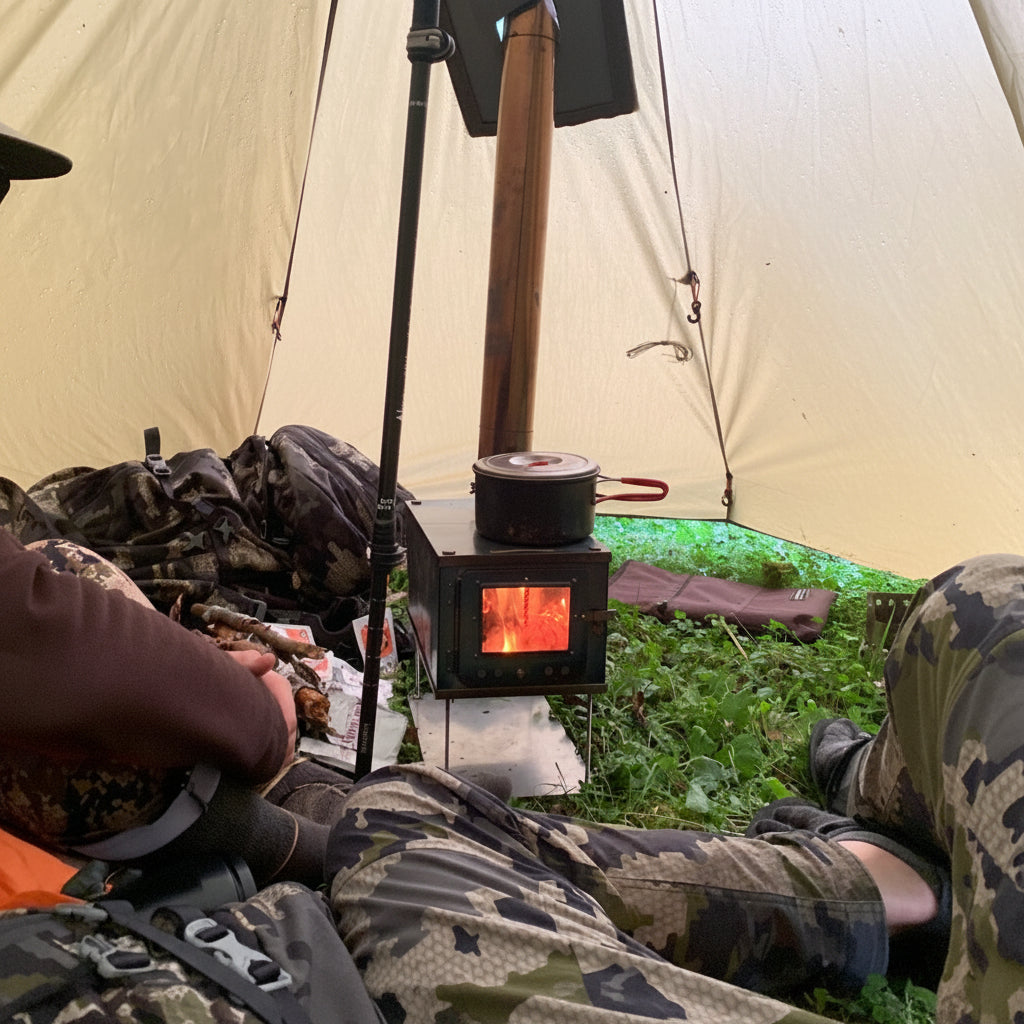
Building a reliable cold weather basecamp starts with understanding your environment and choosing the right shelter system. A hot tent paired with a wood stove creates a self-contained heating solution that keeps you warm and comfortable even in harsh conditions. Before you begin, assess your location for wind exposure, snow load capacity, and access to firewood. These factors will determine both your tent placement and stove setup.

Selecting the Right Hot Tent
A hot tent is specifically designed to safely accommodate an internal wood stove. Look for tents with a heat-resistant stove jack—the opening where your chimney passes through. The tent size should match your group and provide enough space for the stove, seating, and sleeping areas without feeling cramped. Canvas or heavy-duty synthetic materials offer better insulation and durability than ultralight three-season tents.
Choosing and Installing Your Wood Stove
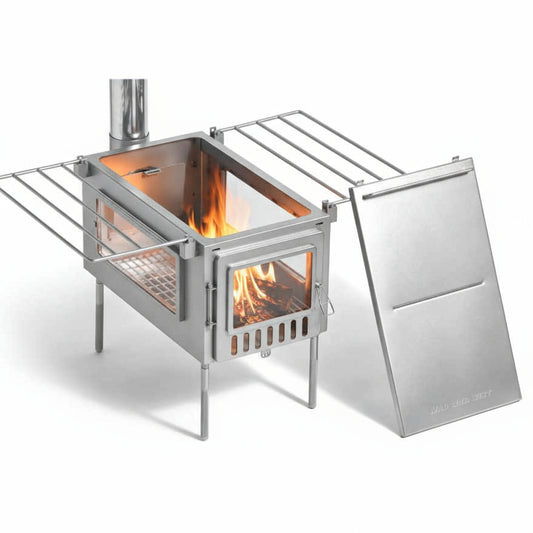
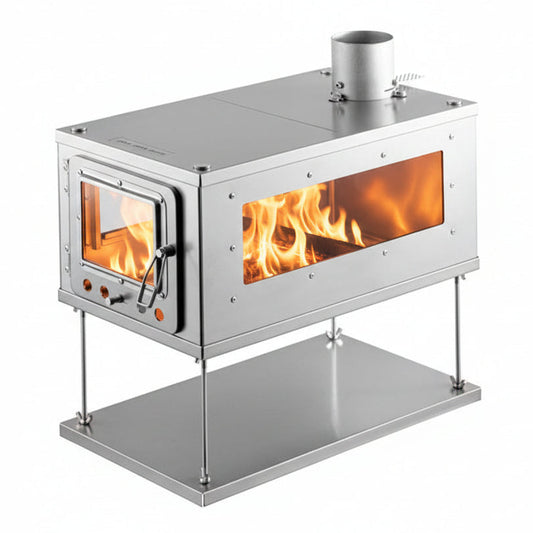
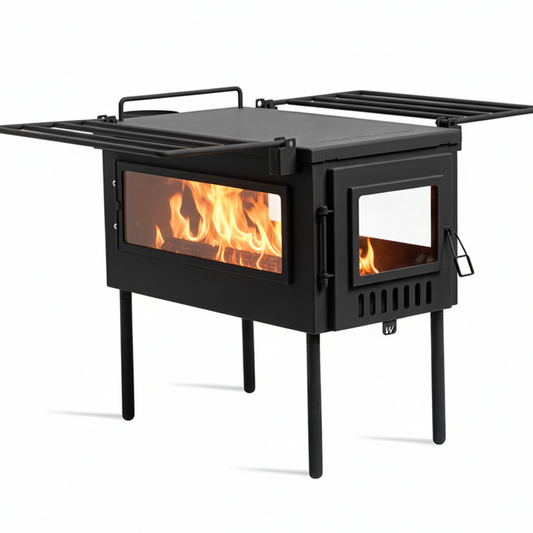
Compact wood stoves designed for camping offer efficient heating in a portable package. Select a stove with adjustable airflow controls so you can manage heat output and fuel consumption. Installation requires careful attention to clearance distances—maintain proper spacing between the stove, tent walls, and any gear stored nearby. Your chimney pipe should extend high enough to create proper draft while staying secure against wind. Always use a spark arrestor on the chimney to prevent embers from escaping.
Gathering and Storing Firewood
Dry firewood is essential for efficient heating and minimal smoke. Collect hardwoods like oak or birch when possible, as they burn longer and hotter than softwoods. Store your wood supply under a tarp or in a designated area near your basecamp, keeping it off the ground to prevent moisture absorption. Bring more wood than you think you'll need—cold weather camping consumes fuel quickly, and running out mid-winter is dangerous.
Setting Up Your Basecamp Layout
Position your tent on level ground with the entrance facing away from prevailing winds. Clear the area of snow and debris, then create a stable foundation using a groundsheet or insulated mat. Arrange your stove in the tent's center or back area, ensuring the chimney has a clear path upward. Keep sleeping areas away from the stove to maintain safe distances. Establish a separate zone outside for wood storage, water collection, and cooking.
Safety Considerations
Carbon monoxide buildup is a serious risk in enclosed spaces with combustion sources. Ensure your tent has adequate ventilation even with the stove running. Never seal your tent completely—allow fresh air circulation through vents or partially open doors. Keep a fire extinguisher, or water, and first aid kit accessible. Monitor the stove regularly and never leave it unattended while burning. Test your setup in milder conditions before committing to extended cold weather trips.
Maintaining Comfort Through the Night
A well-managed wood stove can maintain comfortable temperatures throughout the night with proper fuel management. Load the stove before sleep with larger pieces of wood that burn slowly, on top of a thick coal base. Use quality sleeping gear rated for temperatures well below your expected conditions—the stove supplements but shouldn't be your only heat source. Keep water bottles near the stove to stay hydrated, as wood heat can be drying.