How to Control Temperature Using a Tent Wood Stove
Understanding Your Tent Wood Stove's Heat Output
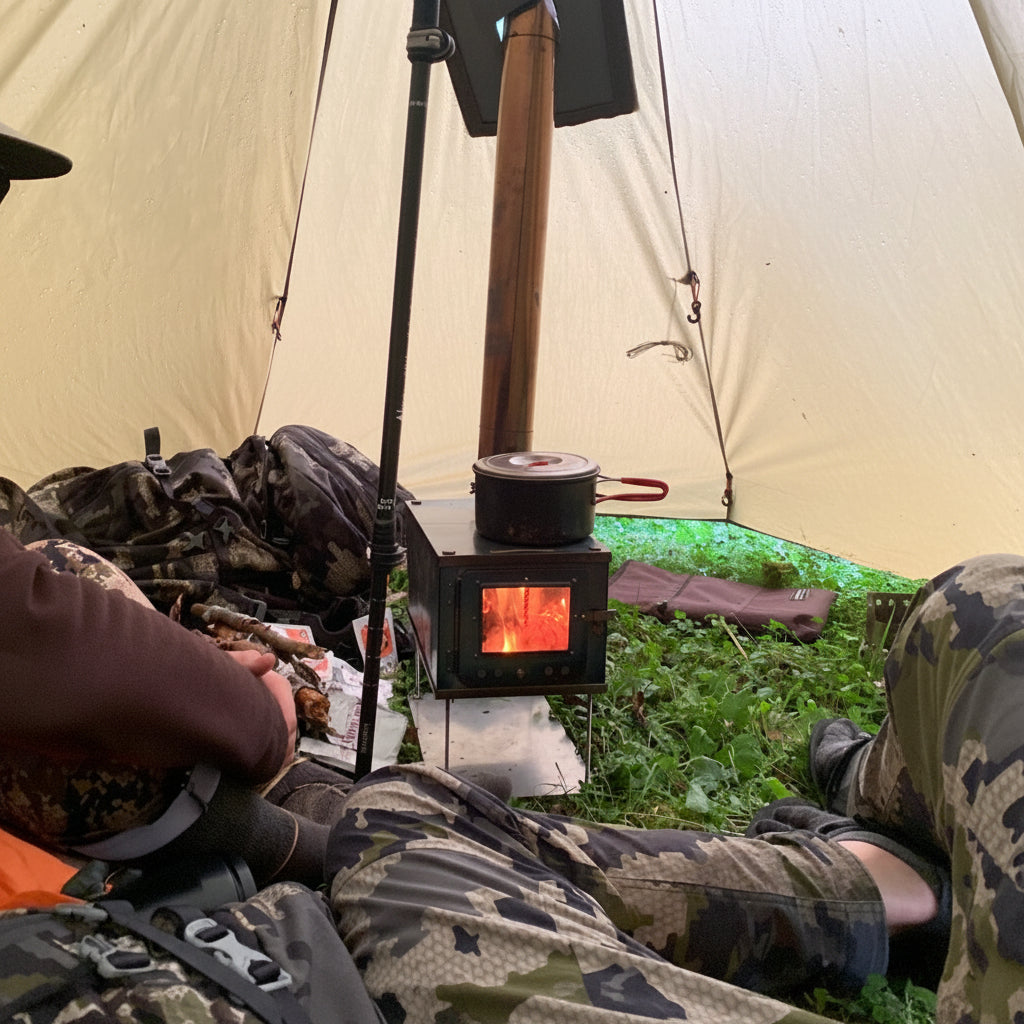
A tent wood stove is a powerful tool for staying warm in the backcountry, but mastering temperature control is essential for comfort and safety. Unlike home heating systems with thermostats, wood stoves require active management to maintain your ideal temperature. The good news is that with a few key techniques, you can dial in the perfect warmth for any camping condition.

The Critical Role of Seasoned Firewood
One of the most overlooked factors in temperature control is the quality of your firewood. Seasoned firewood—wood that has been dried for at least six to twelve months—burns hotter, cleaner, and more predictably than fresh or wet wood. This makes it essential for effective stove management.
Wet or unseasoned wood contains high moisture content that requires energy to evaporate before the wood can burn efficiently. This results in cooler flames, excessive smoke, and creosote buildup in your chimney. You'll struggle to reach your desired temperature and waste fuel in the process. Seasoned wood, by contrast, ignites easily and burns at consistent temperatures, giving you the control you need.
When selecting firewood for your camping trips, look for wood that has naturally seasoned off the ground. The wood should feel light and have visible cracks on the ends—signs that moisture has been driven out. Hardwoods like oak, maple, and ash are excellent choices for tent stoves because they burn longer and hotter than softwoods. Always source your firewood responsibly and follow local regulations about collecting or transporting wood in wilderness areas.
By starting with properly seasoned firewood, you'll find that all the temperature control techniques become more effective and responsive. Your stove will heat faster, your adjustments will have more noticeable impact, and you'll get more warmth from less fuel—making your backcountry experience more comfortable and efficient.
Control Airflow to Manage Burn Rate
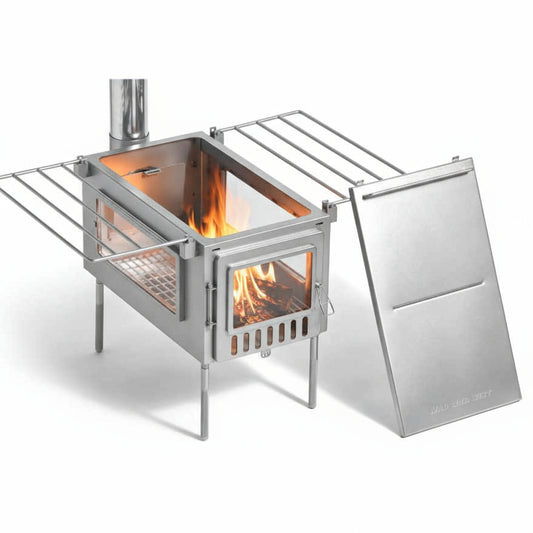
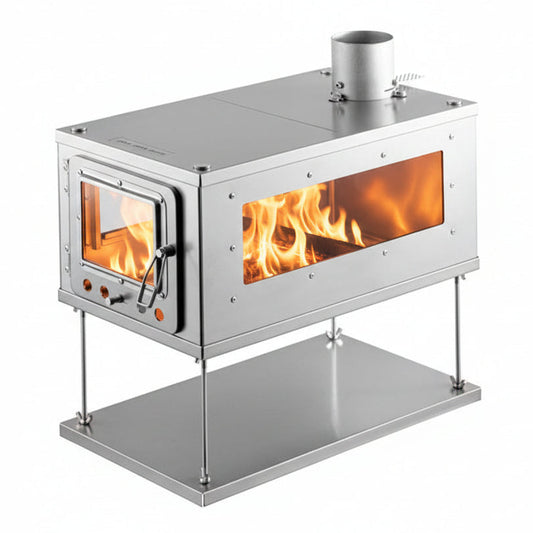
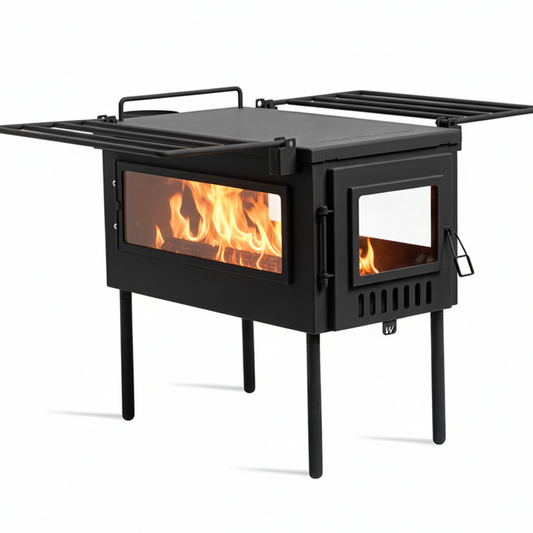
The primary way to control temperature is by adjusting the air vents on your stove. Most tent wood stoves have an intake damper or air control lever that regulates how much oxygen reaches the fire. Opening the vents wider increases airflow, which accelerates the burn and raises heat output. Closing them down slows the burn and reduces temperature.
Start with the vents fully open when lighting your fire to establish a strong flame. Once your tent reaches a comfortable warmth, gradually close the vents to find the sweet spot where heat output matches your needs. This approach also extends your fuel supply by burning wood more efficiently.
Load Wood Strategically
The amount and type of wood you load into your stove directly impacts temperature. Smaller pieces of dry wood burn hotter and faster, while larger logs burn slower and produce steadier, longer-lasting heat. For quick warmth, use split kindling and smaller logs. For sustained heat through the night, load larger pieces that will smolder for hours.
Avoid overloading your stove, as this can create excessive heat that's difficult to control and may damage the unit or your tent. Load wood gradually and monitor the flame to keep things manageable.
Use the Chimney Damper Wisely
If your stove setup includes a chimney damper, this is another valuable control point. Partially closing the damper slows heat loss up the chimney, which keeps more warmth in your tent. However, consider never fully close it—you need adequate draft to prevent dangerous smoke buildup. Experiment with partial closure to find the balance between heat retention and safe ventilation.
Monitor and Adjust Throughout the Night
Temperature control is an ongoing process. Check your stove every hour or so, especially during longer camping trips. If your tent is getting too warm, open the vents or let the fire burn down. If it's cooling off, add wood and close the vents slightly to intensify the burn. This active management keeps your sleeping area at a comfortable, consistent temperature.
Account for External Conditions
Wind, outside temperature, and tent insulation all affect how much heat you need. On colder nights or in windy conditions, you'll need a hotter fire. In milder weather or well-insulated tents, less heat is required. Pay attention to these variables and adjust your stove management accordingly.
With practice, controlling your tent wood stove becomes second nature. You'll develop a feel for the right vent position, wood load, and burn rate for any situation—keeping your tent warm, comfortable, and safe throughout your adventure.