How to Cook at Home When the Power Goes Out on a Tent Wood Stove
Cooking on a Tent Wood Stove When the Power Goes Out
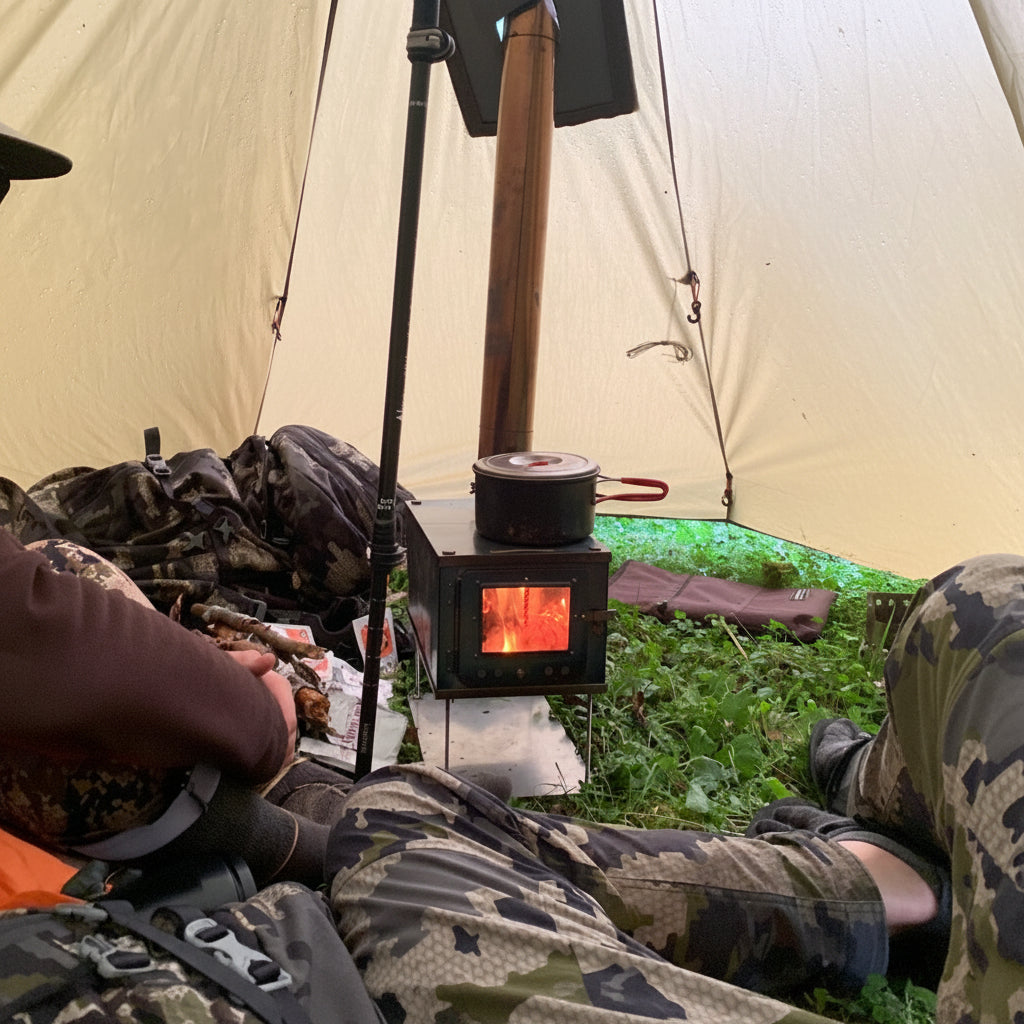
When the grid fails and you're relying on your tent wood stove, you've already got one of the best backup cooking solutions available. Unlike electric ranges or gas appliances that depend on infrastructure, a wood stove operates independently—making it an invaluable tool during power outages, whether you're camping intentionally or dealing with an unexpected emergency at home.

Why a Tent Wood Stove is Your Best Backup
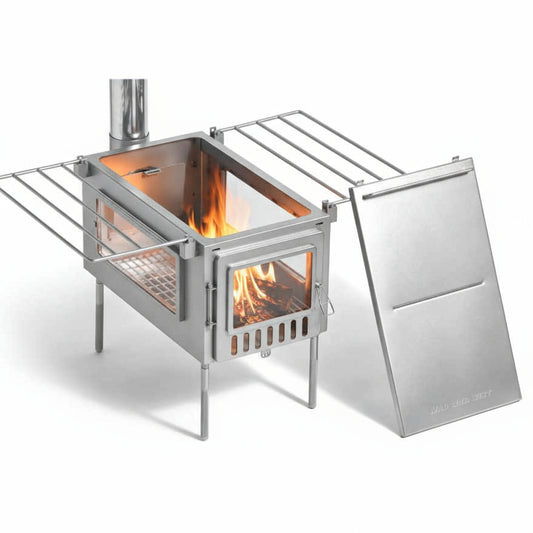
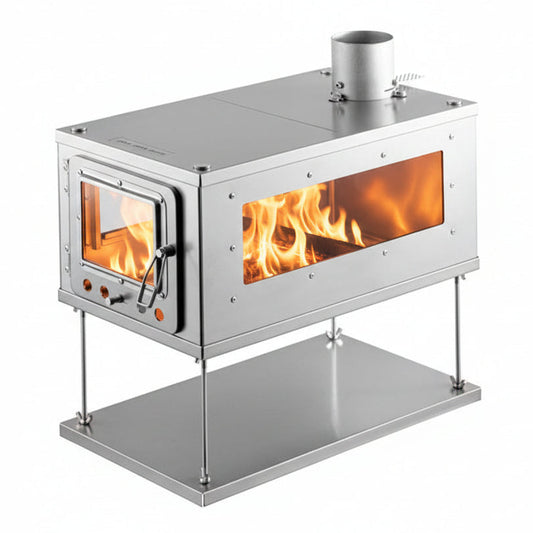
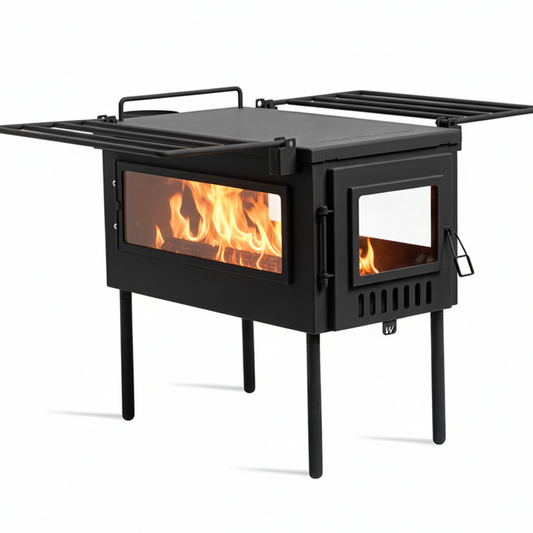
A quality tent wood stove provides reliable heat and cooking capability without electricity or fuel deliveries. As long as you have firewood, you can prepare hot meals, boil water, and maintain warmth. This independence makes wood stoves ideal for remote camping trips and emergency preparedness alike.
Essential Cookware for Wood Stove Cooking
Start with cast iron—it's durable, distributes heat evenly, and improves with use. A cast iron skillet and Dutch oven cover most cooking needs. Add a sturdy kettle for boiling water, a grill grate that fits your stove's opening, and heat-resistant gloves or tongs for safe handling. Stainless steel cookware works too, though it heats less evenly than cast iron.
Mastering Temperature Control
Wood stoves don't have dials. Control heat by adjusting airflow through the damper and by positioning cookware at different distances from the flame. Place pans directly over the hottest part of the fire for boiling or searing, and move them to cooler zones for simmering or gentle cooking. Keep a mental map of your stove's hot spots—they're usually directly above the firebox.
Practical Cooking Techniques
Boiling water is straightforward: fill your kettle and place it on the hottest part of the stove. For skillet cooking, let the pan preheat for a few minutes before adding food. Dutch oven cooking works beautifully on wood stoves—place coals or hot embers on the lid to create an oven effect for baking bread, roasting vegetables, or slow-cooking stews. Rotate the pot occasionally for even heat distribution.
Fuel Management and Safety
Keep your firewood dry and split to appropriate sizes for your stove. Smaller pieces ignite faster and burn hotter; larger logs provide longer-lasting coals. Never leave a cooking fire unattended. Use a fire extinguisher or water nearby for emergencies, and ensure proper ventilation to prevent carbon monoxide buildup, especially in enclosed airtight spaces.
Simple Meals That Work Well
Focus on one-pot and one-pan meals: soups, stews, rice dishes, and skillet vegetables. Boil pasta or grains, then finish them in a skillet with butter and seasonings. Eggs cook quickly in cast iron. Bread bakes beautifully in a Dutch oven. These meals require minimal equipment and adapt easily to whatever ingredients you have on hand.
Preparing for Power Outages
If you're using a tent wood stove as emergency backup at home, practice cooking on it before you need to rely on it. Stock non-perishable foods that don't require refrigeration. Keep your firewood supply well-stocked and protected from moisture. Familiarize yourself with your stove's quirks and hot zones during calm conditions so you're confident when an outage occurs.
A tent wood stove transforms a power outage from a crisis into an opportunity to cook with intention and skill. With the right tools, a bit of practice, and respect for the fire, you'll find that wood stove cooking is not just functional—it's genuinely rewarding.