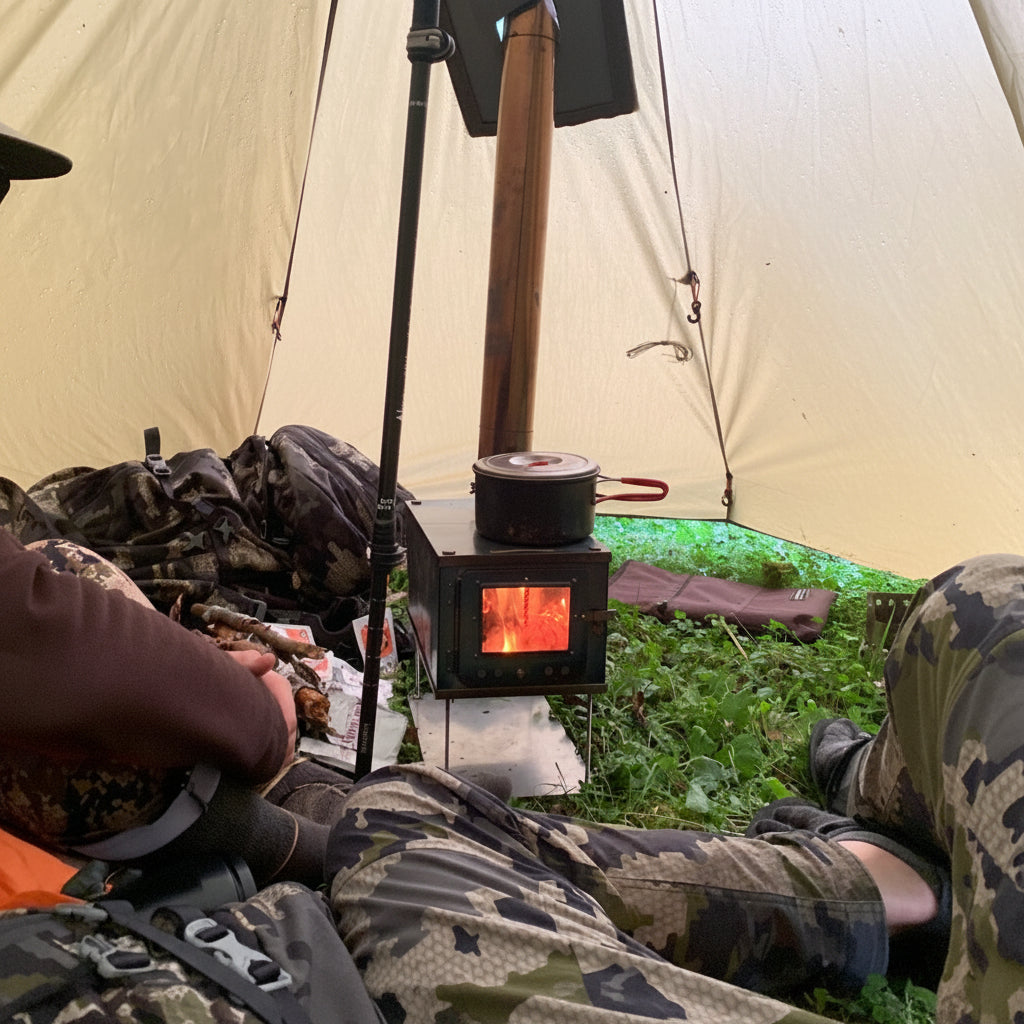
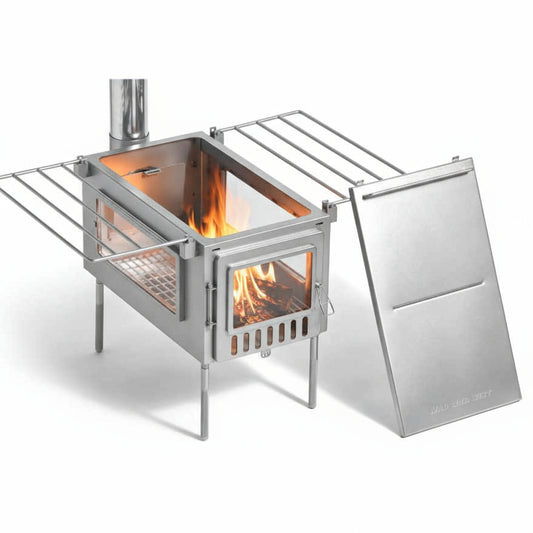
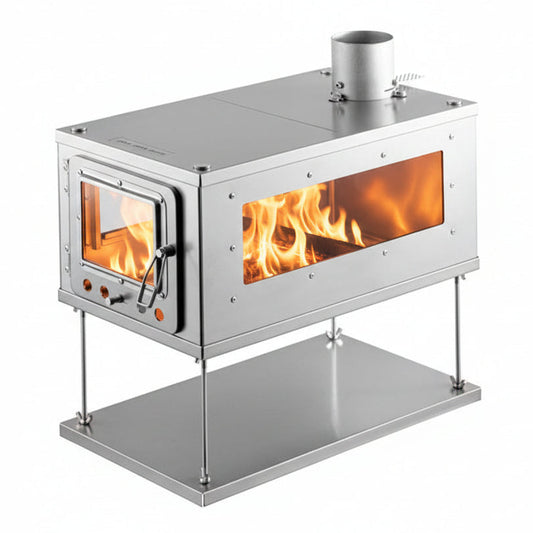
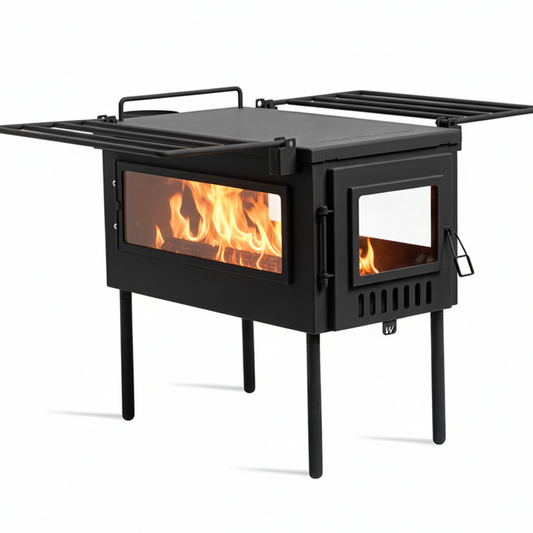
How to Pack a Hot Tent Setup for Backpacking
Packing a hot tent setup for backpacking requires careful planning and organization. Unlike traditional three-season tents, hot tents with integrated wood stoves demand extra attention to weight distribution, safety, and accessibility. Here's how to pack efficiently and responsibly.

Understand Your Hot Tent Components
A typical hot tent setup includes the tent body, stove unit, chimney pipe sections, guy lines, stakes, and a groundsheet to sleep on. Before you pack, lay everything out and familiarize yourself with each piece. This mental inventory prevents forgotten items and packing mistakes.
Distribute Weight Strategically
The stove may be your heaviest component. Pack it low and centered in your backpack to maintain balance and stability on uneven terrain. Place the stove body near your back panel, slightly above the midpoint of your pack. Lighter items like stakes, guy lines, and the groundsheet should fill gaps around heavier pieces.
Protect Your Stove and Chimney
Wrap your stove in a dedicated stove bag or heavy-duty fabric to prevent damage and protect other gear from soot and heat residue. For some designs, chimney pipes should be nested together and wrapped separately.
Organize the Tent Fabric and Poles
Roll your tent body tightly and secure it with compression straps. Keep poles bundled together in their original bag or a custom sleeve. The tent's weight is manageable, but organization saves setup time and reduces frustration at camp.
Pack for Easy Access
Place outer tent, stakes and the groundsheet where you can reach them quickly without unpacking your entire bag. These items go down first at camp, so keep them accessible. Similarly, pack your stove bag so you can remove it without disturbing other gear. This workflow efficiency matters when you're tired after a long day of hiking.
Consider Your Backpack Capacity
Some hot tent setups are bulkier than traditional tents. Ensure your backpack has adequate capacity—typically 60 liters or more for a complete system plus personal gear. Test your packed weight before heading out. A loaded hot tent pack often exceeds 50 pounds, so verify your comfort level and adjust your other gear accordingly.
Secure Everything Properly
Use compression straps and internal dividers to prevent shifting during your hike. A moving stove or loose chimney sections can damage your pack and create safety hazards. Double-check that nothing protrudes or catches on branches. Secure any external attachments firmly to your pack frame.
Plan for Setup and Breakdown
Before you leave home, practice setting up and breaking down your hot tent in your backyard. This familiarity reduces errors in the field and helps you identify the most efficient packing order. You'll discover which components need to come out first and which can stay packed longer, streamlining your camp routine.
Packing a hot tent setup takes more effort than a standard tent, but thoughtful organization makes the process smooth and safe. Prioritize weight distribution, protection, and accessibility, and you'll be ready for comfortable backcountry adventures with reliable heat and shelter.