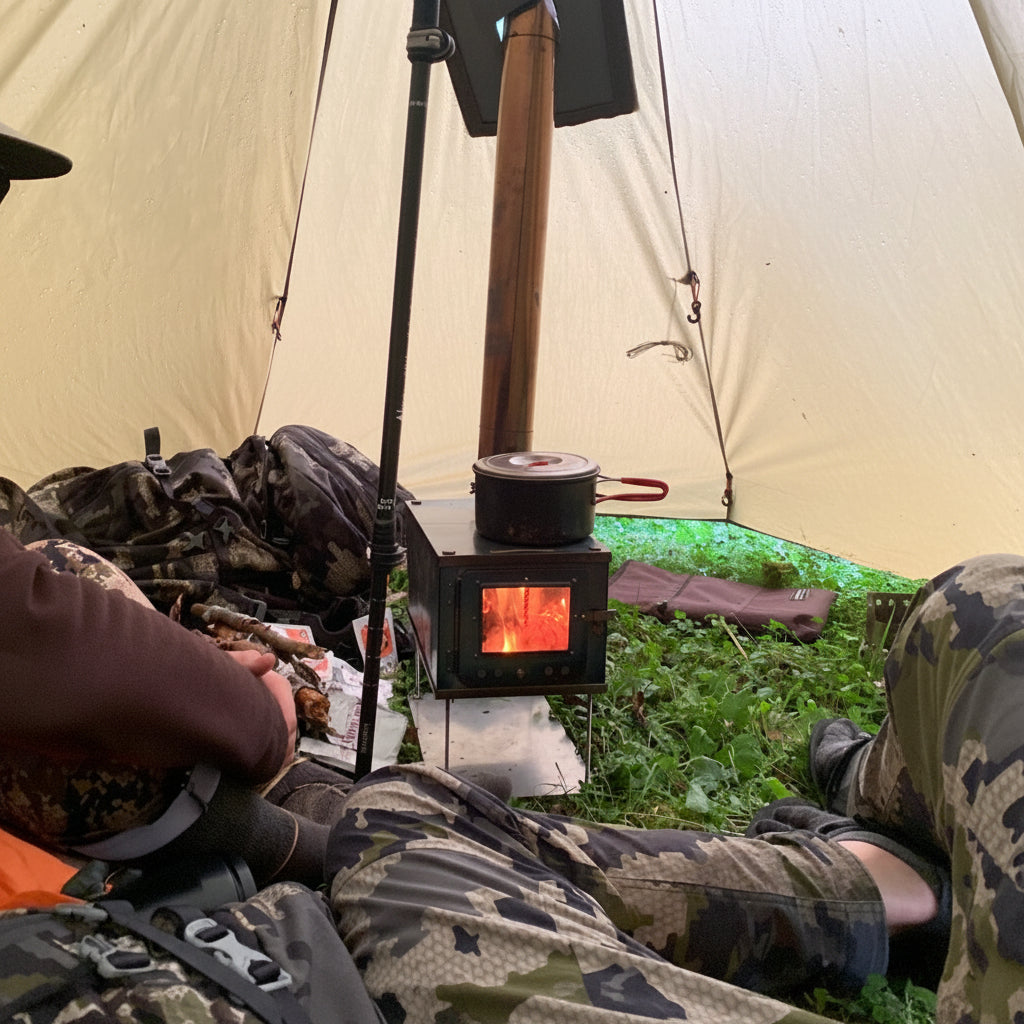
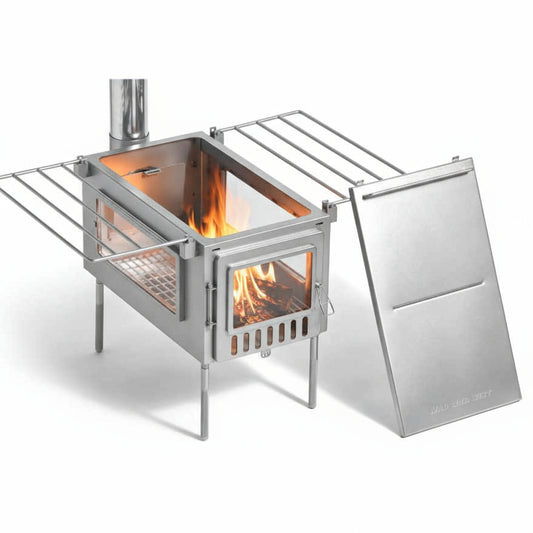
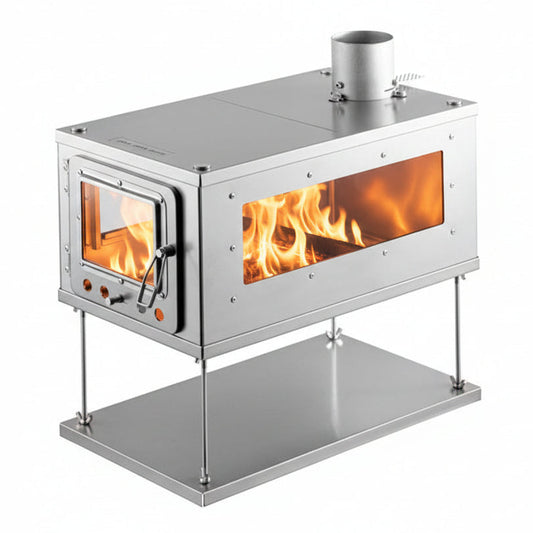
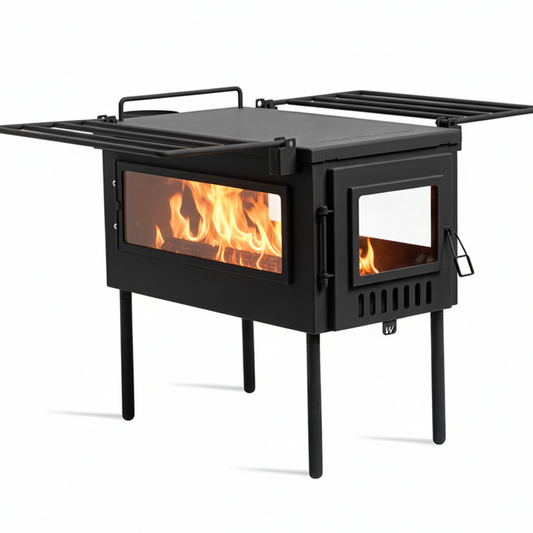
How to Split Firewood for Tent Wood Stove Efficiently
Splitting firewood for your tent wood stove is both an art and a practical skill that directly impacts your camping experience. Properly split wood burns more efficiently, produces less creosote buildup, and gives you reliable heat when you need it most. Whether you're preparing for a weekend trip or stocking up for extended backcountry camping, mastering the fundamentals will save you time and effort.

Choose the Right Wood
Start with seasoned hardwoods like oak, maple, birch, or ash. These woods have lower moisture content and burn hotter and longer than softwoods. Avoid green or freshly cut wood—it contains too much moisture and will smolder rather than burn cleanly. Ideally, wood should be seasoned for at least six months to a year off the ground, before splitting and burning.
Select Your Splitting Tools
A quality splitting maul or axe is essential. A splitting maul, typically weighing 6 to 8 pounds with a wider head, is more effective than a traditional axe for breaking wood apart along the grain. A sharp blade makes the work easier and safer. Keep your tool maintained—dull blades require more force and increase the risk of glancing blows. A froe and mallet are useful backup tools for stubborn logs.
Prepare Your Workspace
Set up on level, stable ground with a sturdy chopping block. This elevates the wood to a comfortable working height and reduces strain on your back. Clear the area of obstacles and ensure you have plenty of space to swing freely without hitting nearby objects or people. Wear protective gear including good boots, work gloves, and eye protection. A long-sleeved shirt provides additional safety.
Master the Splitting Technique
Position the log vertically on your chopping block with the grain visible from the top. Look for natural cracks or checks in the wood—these are your entry points. Aim your maul at these weak spots rather than the center of the log. Swing with controlled power, letting the weight of the tool do the work rather than relying purely on arm strength. Follow through smoothly and step back immediately after each swing. For logs with tight grain, rotate them and try splitting from the opposite end.
Split to the Right Size
For tent wood stoves, aim for pieces roughly 3 to 4 inches in diameter and 8 to 16 inches long. These dimensions fit most portable stove fireboxes and provide optimal burn time. Thinner pieces catch fire quickly but burn fast, while oversized logs won't fit and waste fuel. Split larger logs into quarters or eighths, and don't hesitate to split smaller pieces further if needed. Consistency in size ensures even burning and easier packing for transport.
Stack and Store Properly
After splitting, stack wood in a way that allows air circulation. This continues the seasoning process and prevents moisture from accumulating. Store wood off the wet ground if possible, and cover the top to shield from rain while leaving the sides open. Properly stacked and stored wood will be ready to burn efficiently when you need it, and it's easier to transport to your campsite.
Practice Safety Throughout
Never rush the splitting process. Fatigue leads to mistakes and injuries. Take breaks, stay hydrated, and stop if you feel your form deteriorating. Keep bystanders, especially children and pets, at a safe distance. Inspect your tools before each use and replace handles or blades that show signs of damage. If you're new to splitting, consider watching experienced users or taking a brief lesson to build confidence and proper technique.
With these practices in place, you'll have a reliable supply of properly split firewood that burns hot, clean, and efficiently in your tent wood stove. The effort you invest upfront pays dividends in warmth, comfort, and peace of mind during your outdoor adventures.