How to Stay Warm While Winter Camping in a Tent
Winter camping presents unique challenges, but with the right preparation and gear, you can stay warm and comfortable even in freezing temperatures. Here's how to master the art of staying cozy in your tent during the coldest months.

Choose the Right Tent and Setup
Your tent is your first line of defense against the cold. A four-season tent with a low profile and minimal ventilation helps trap heat and reduces wind exposure. Position your tent in a sheltered location, away from wind tunnels and low-lying areas where cold air settles.
Invest in Quality Insulation
A sleeping pad is just as important as a sleeping bag in winter camping. Use two pads stacked together for maximum insulation—the air pockets trap heat and prevent cold from seeping up from the ground. Look for pads with high R-values, which measure thermal resistance. Closed-cell foam pads and inflatable pads with high insulation ratings both work well. Never skip this step; sleeping directly on cold ground will drain your body heat rapidly.
Select an Appropriate Sleeping Bag
Your sleeping bag's temperature rating is critical. Choose a bag rated for temperatures at least 10–15 degrees Fahrenheit lower than the coldest nights you expect. Down-filled bags offer excellent warmth-to-weight ratios, while synthetic bags perform better in wet conditions. Ensure your bag fits snugly—oversized bags waste energy heating empty space. Before bed, fluff your bag to maximize loft and insulating air pockets.
Layer Your Clothing Strategically
Wear moisture-wicking base layers to keep sweat away from your skin. Add insulating mid-layers like fleece or wool, then top with a windproof outer layer. Avoid cotton, which retains moisture and loses insulating properties when damp. Wear a warm hat and gloves to bed—your head and extremities lose heat quickly. Keep dry socks and a dry sleeping outfit separate from your daytime clothes.
Use a Hot Tent Stove for Extended Warmth
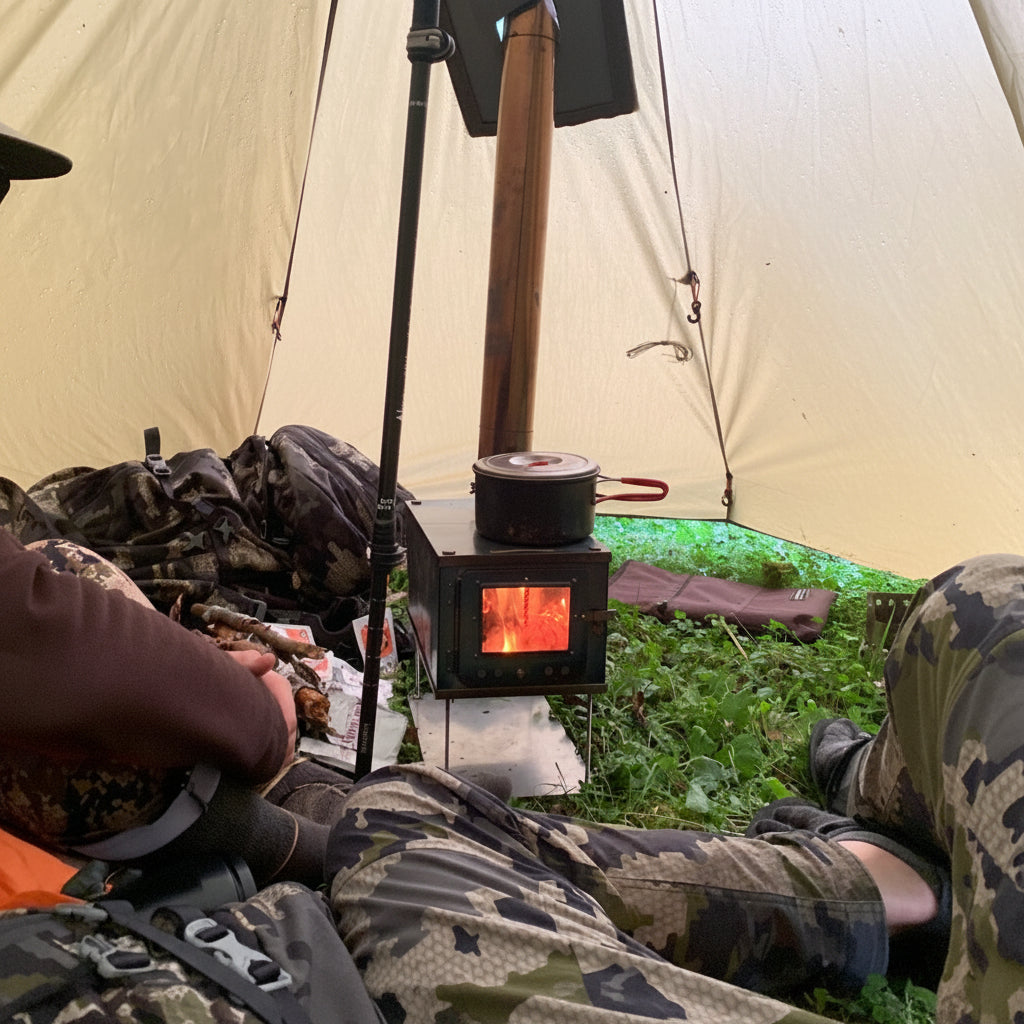
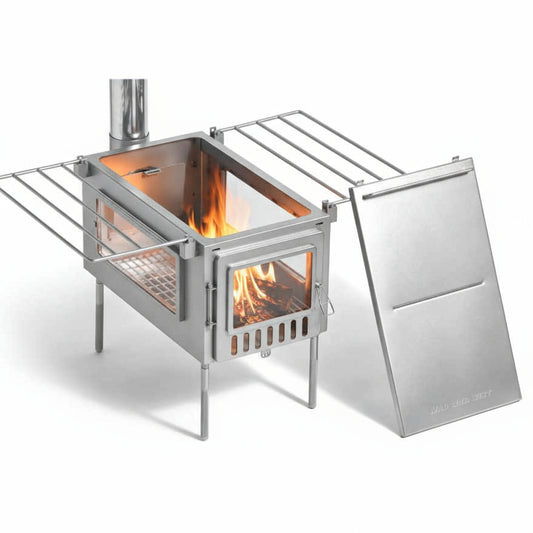
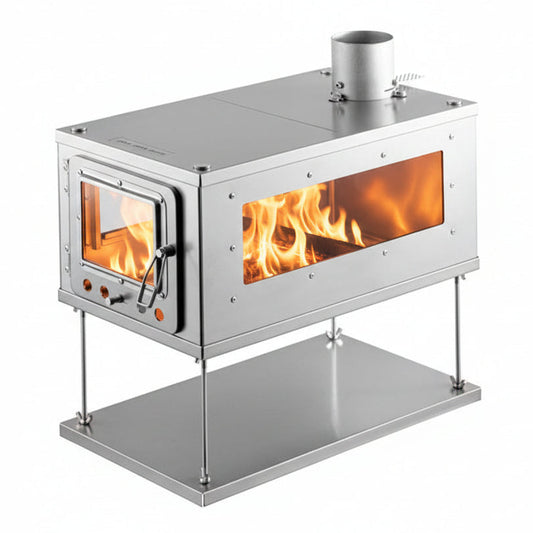
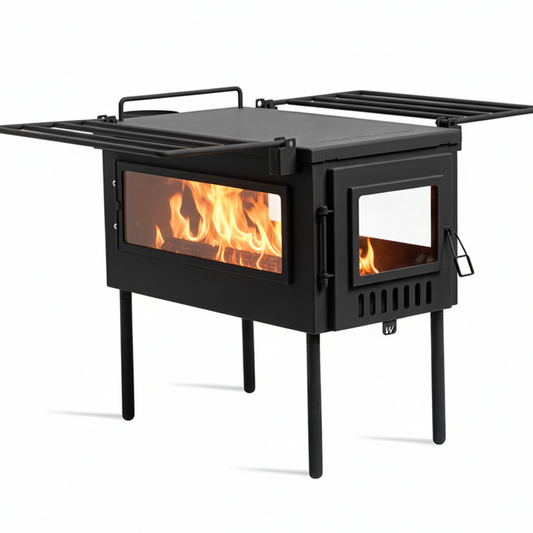
A wood-burning hot tent stove transforms your winter camping experience by providing consistent, reliable heat throughout the night. These compact stoves are designed for tent use and allow you to maintain comfortable interior temperatures even in extreme cold. Proper ventilation through a chimney stove jack is essential for safety. A hot tent stove lets you dry gear, cook meals, and stay warm without relying solely on your sleeping bag.
Manage Condensation and Moisture
Condensation builds up inside tents during winter as warm air from your body meets cold tent walls. Crack a vent or window slightly to allow moisture to escape—this prevents ice buildup and keeps your sleeping bag dry. Wipe down interior surfaces before bed if condensation has already formed. A damp sleeping bag loses its insulating ability, so moisture management is crucial. Burning a wood stove hot inside your tent also removes condensation.
Eat and Drink Before Sleep
Your body burns calories to generate heat, so eat a substantial dinner and a warm snack before bed. Avoid alcohol, which dilates blood vessels and increases heat loss. Drink warm beverages like tea or hot chocolate to raise your core temperature. Stay hydrated throughout the day, but limit fluids close to bedtime to avoid nighttime bathroom trips that expose you to the cold.
Keep Your Sleeping Area Organized
Arrange your tent so everything you need is within arm's reach—water bottle, snacks, headlamp, and extra layers. This prevents you from leaving your warm sleeping bag to search for items. Place a hot water bottle at your feet or against your core for extra warmth. Some campers use chemical hand warmers in their sleeping bags, though these should be used cautiously to avoid burns.
Stay Active During the Day
Physical activity generates body heat and improves circulation. Spend your daylight hours hiking, gathering firewood, or exploring. This keeps your metabolism elevated and helps you sleep better at night. Avoid sitting idle in the cold; movement is one of your best defenses against freezing.
Winter camping rewards those who prepare thoughtfully. With proper insulation, quality gear, and smart strategies, you'll stay warm and create unforgettable memories in the winter wilderness.