How to Stay Warmer in a Tent Without Electricity with Wood Stove
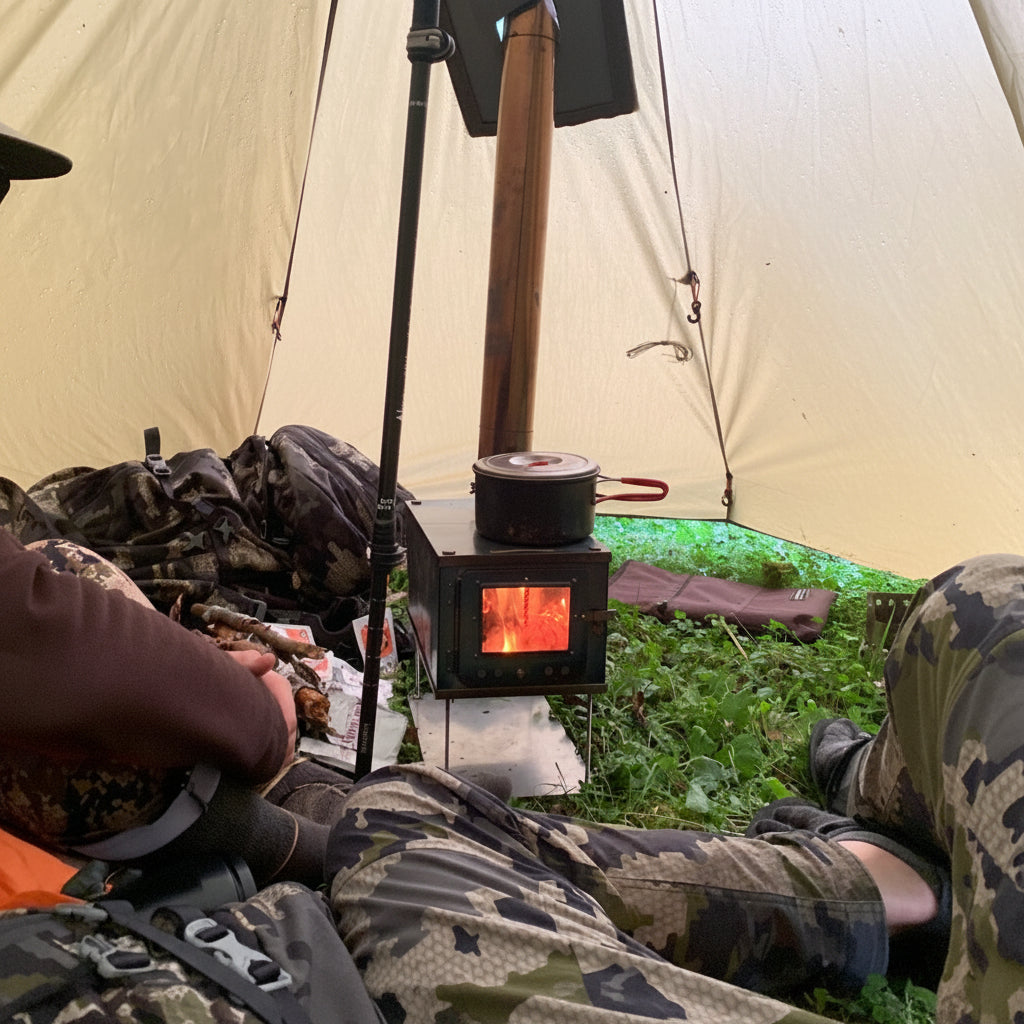
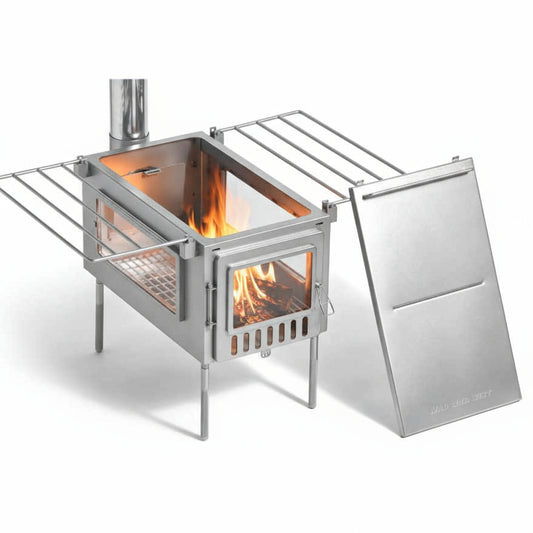
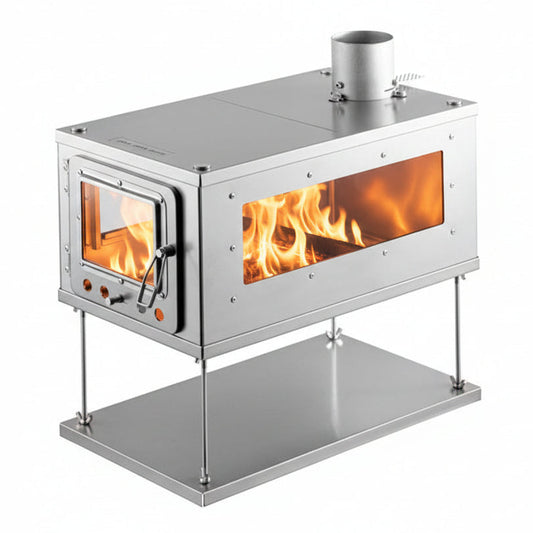
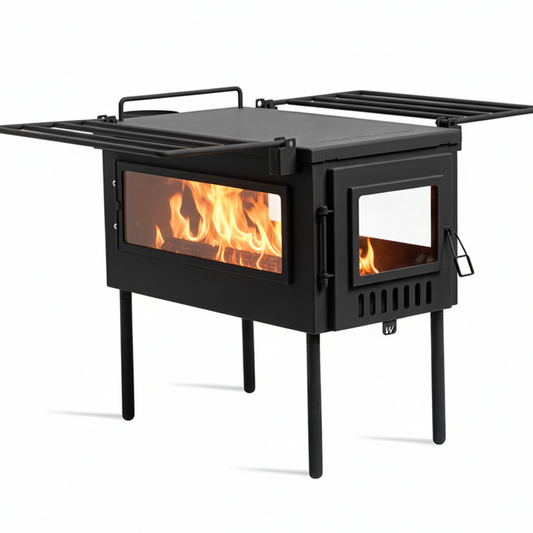
Staying warm in a tent during cold weather doesn't require electricity when you have the right setup. A tent wood stove is one of the most effective ways to maintain comfortable temperatures in your shelter, whether you're camping in winter or dealing with unexpected cold snaps. Here's how to maximize warmth and stay safe while using a wood stove in your tent.

Choose the Right Tent for Wood Stove Use
Not all tents are suitable for wood stoves. You'll need a tent specifically designed with a stove jack—a reinforced opening in the fabric that allows the stove pipe to pass through safely. You can purchase a DIY kit or a hot tent with a stove jack factory installed.
Fuel Selection Matters
Seasoned hardwoods like oak, maple, and birch burn longer and hotter than softwoods. Avoid wet or green wood, which produces excessive smoke and creosote buildup in your pipe. Bring more fuel than you think you'll need—cold nights require consistent heat, and running out of wood means a rapidly cooling tent. Store extra firewood in a dry location outside your tent.
Maximize Heat Distribution
Position your sleeping area to take advantage of the stove's radiant heat. Arrange your tent layout so the stove is centrally located if possible. Keep air circulation moving gently through the tent to distribute warmth evenly, but avoid drafts that can cool you down.
Layer Your Sleeping Setup
Even with a wood stove running, proper insulation is essential. Use an insulated sleeping pad to prevent ground cold from seeping into your sleeping bag. Choose a sleeping bag rated for temperatures lower than you expect to encounter. Wear thermal layers to bed to help with cold pockets inside your sleeping bag.
Ventilation and Safety Precautions
Proper ventilation prevents carbon monoxide buildup inside your tent. Crack a door or vent slightly to allow fresh air circulation, even on cold nights. Never seal your tent completely when using a wood stove. Check your stove pipe regularly for leaks or damage, and clean out ash buildup to maintain efficient heat output. Keep a fire extinguisher or water nearby as a safety precaution.
Monitor Temperature and Adjust
Some beginners use a simple thermometer to track tent temperature, so you know when to add wood or adjust your stove's damper. Most wood stoves have adjustable air vents that control burn rate and heat output. Learning to manage these controls helps you maintain steady warmth without overheating or wasting fuel.
With a quality wood stove, proper tent setup, and smart fuel management, you can stay comfortably warm through cold nights in the backcountry. The combination of radiant heat from the stove and good insulation in your sleeping system creates a cozy shelter that lets you enjoy tent camping at its best.