How to Stop Smoke from Entering Your Shelter Using Tent Wood Stove
Tent wood stoves are a game-changer for cold-weather camping, but smoke management is crucial for a comfortable experience inside your shelter. Whether you're dealing with a smoldering fire or unexpected wind shifts, here are proven strategies to keep smoke out and enjoy the warmth.

Optimize Your Stove Placement
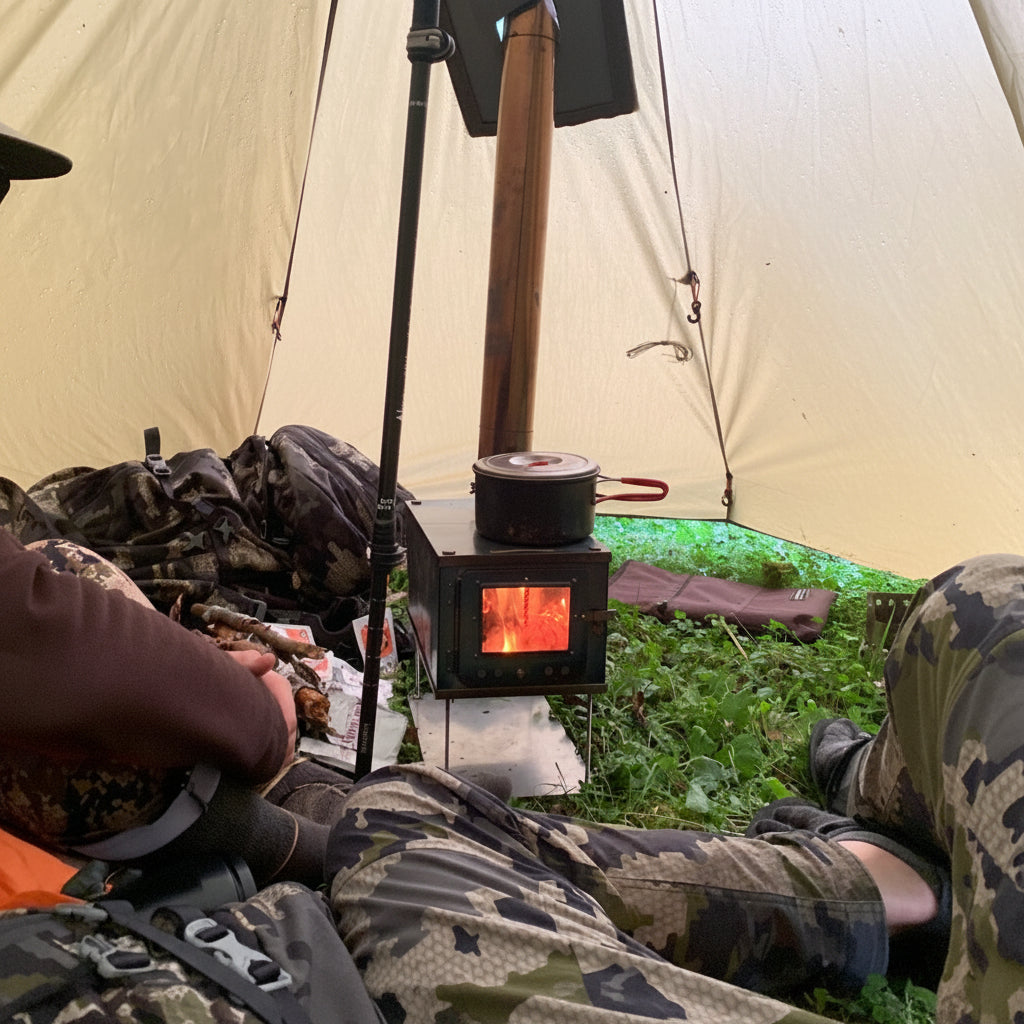
Position your wood stove toward the center or back of your tent, away from the entrance. This creates natural airflow that pushes smoke toward the stove's chimney rather than toward where you're sitting. Ensure the stove sits on a stable, level surface—uneven placement can cause smoke to escape out of the door.
Master Your Chimney Setup
A properly installed chimney is your first line of defense. Make sure your chimney pipe extends high enough above the tent roof—ideally 12 inches or more. The higher the exit point, the better the draft, which pulls smoke upward and away. Check that all chimney sections are tightly connected with no gaps. Even small leaks allow smoke to seep into your living space. A clogged spark arrestor is a common cause!
Control Your Fire Quality
Smoke often indicates incomplete combustion. Use seasoned, dry wood with moisture content below 20 percent. Wet or green wood smolders and produces excessive smoke. Split your wood into smaller pieces for better airflow through the fire. Start with kindling and gradually add larger pieces rather than overloading the stove. A well-fed, hot fire burns cleaner and produces less smoke than a struggling, cool one.
Choose the Right Firewood Types
Not all firewood burns the same. Hardwoods like oak, maple, ash, and birch burn hotter and longer than softwoods like pine or spruce. Hardwoods have higher energy density, meaning they release more heat per piece of wood burned. This translates to a hotter, more efficient fire that produces less smoke—a win for both warmth and air quality inside your tent.
Softwoods ignite more easily and are great for starting fires, but they contain more resin and sap, which creates excess smoke and creosote buildup in your chimney. If you're using softwood, mix it with hardwood to balance quick ignition with sustained, cleaner heat. Always prioritize seasoned wood over fresh-cut, regardless of species. Properly dried hardwood will outperform green softwood every time.
Local availability matters too. Research what hardwoods grow in your camping region and source them ahead of time. Denser woods like hickory and locust burn exceptionally hot, making them ideal for extended cold-weather trips where maximizing heat output and minimizing smoke is critical.
Manage Tent Ventilation
Proper airflow prevents smoke from accumulating inside. Crack a door or window on the opposite side of your tent from the stove entrance. This creates cross-ventilation that helps smoke exit naturally. If your tent has multiple vents, use them strategically. Don't seal your tent completely—fresh air intake is essential for both smoke management and safe oxygen levels around the stove.
Check Weather and Wind Direction
Wind can push smoke back into your tent if conditions aren't right. Position your tent entrance away from prevailing winds when possible. If smoke is entering despite your setup, you may need to adjust your tent orientation or create a windbreak using natural features or gear. On calm days, smoke management becomes easier since there's less external pressure affecting your stove's draft.
Maintain Your Equipment
A dirty chimney or clogged stove reduces draft efficiency and increases smoke. Clean your chimney regularly, especially after extended use. Check the stove's air vents and damper to ensure they're functioning properly. A stuck damper can restrict airflow and cause smoke to back up into your tent.
With these strategies in place, you'll spend less time managing smoke and more time enjoying the warmth and ambiance of your wood stove in the backcountry.