Making Eco-friendly Firestarters for Tent Wood Stoves
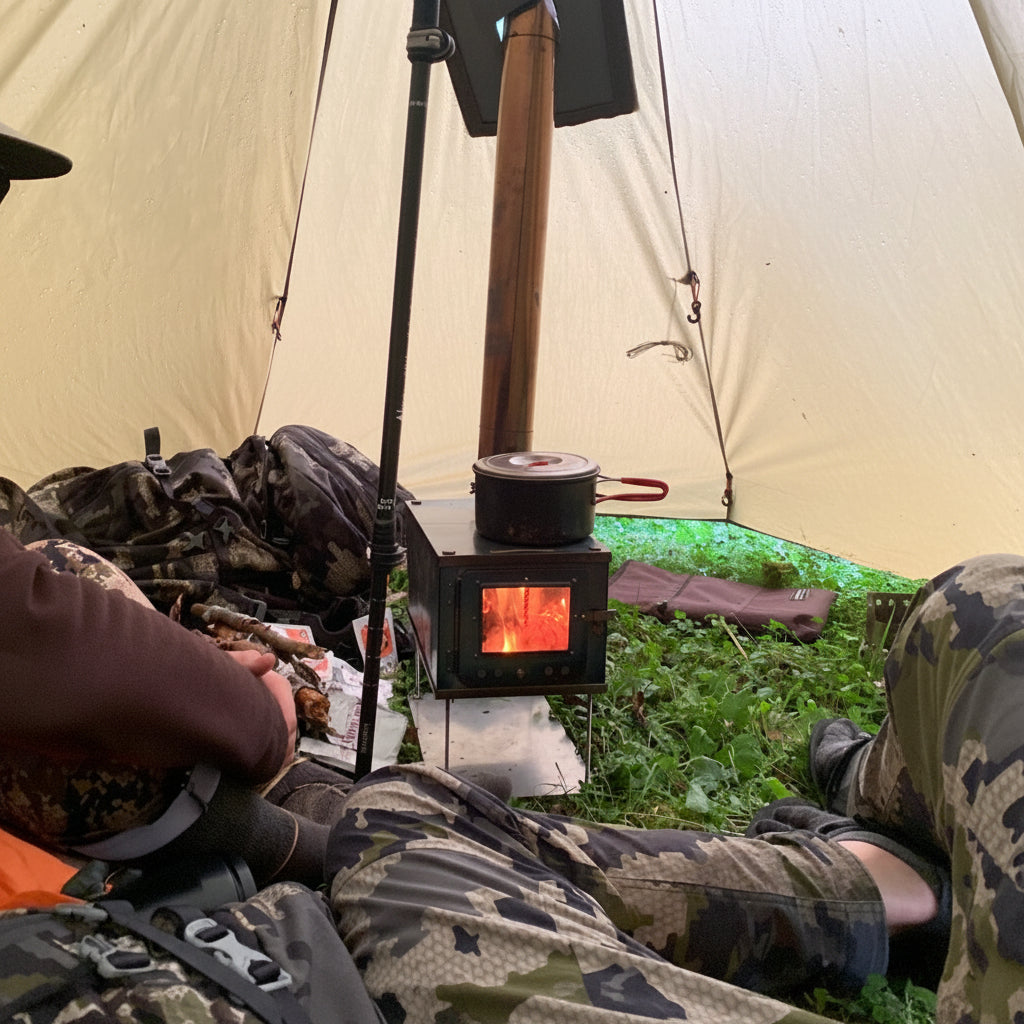
Creating your own eco-friendly firestarters is a practical way to enhance your camping experience while minimizing environmental impact. Whether you're heading out with a hot tent and wood stove setup or planning a backcountry adventure, reliable firestarters make all the difference when temperatures drop and dry kindling is hard to find.

Why Make Your Own Firestarters
Commercial firestarters often contain synthetic chemicals and excessive packaging. Homemade versions let you control the ingredients, reduce waste, and save money on gear expenses. Plus, crafting firestarters at home is a rewarding project that takes just a few hours and minimal materials.
Simple Wax and Cardboard Method
One of the easiest approaches combines recycled cardboard with natural wax. Collect cardboard egg cartons or corrugated cardboard scraps, cut them into individual cups or small pieces, and soak them in melted beeswax. Once cooled and hardened, these firestarters ignite easily and burn long enough to get kindling going. Store them in a dry bag or container in your gear pack.
Cotton Ball and Petroleum Jelly Option
Cotton balls coated with petroleum jelly are lightweight, compact, and surprisingly effective. Place cotton balls in a small container, coat each one generously with petroleum jelly, and seal the lid. They're waterproof, burn for several minutes, and take up minimal space in your pack. This method works especially well for backpacking trips where weight matters.
Dryer Lint Fire Starters
Don't throw away dryer lint—it's an excellent firestarter base. Collect lint from your dryer, pack it loosely into toilet paper tubes or paper towel tubes, and seal the ends with wax or petroleum jelly. These burn steadily and are free to make if you save lint from laundry. They're ideal for car camping or base camp setups where weight isn't a concern.
Natural Tinder Bundles
For a completely natural option, gather dry bark, pine needles, and small twigs, then bundle them tightly with natural twine or plant fiber. Add a layer of beeswax coating for water resistance. These firestarters align with leave-no-trace principles and work well in wilderness settings where you want to minimize synthetic materials.
Storage and Field Tips
Keep firestarters in waterproof containers or dry bags separate from other gear. Test your homemade starters before a trip to ensure they perform in your conditions. In wet environments, bring more than you think you'll need—having backup firestarters prevents frustration when conditions are damp. Store them away from heat sources and direct sunlight to maintain their effectiveness.
With a few simple materials and minimal effort, you'll have reliable, eco-conscious firestarters ready for your next camping adventure. Whether you're settling in for a night with your wood stove or starting a backcountry fire, homemade firestarters deliver consistent performance while keeping your environmental footprint light.