Overlanding Shelter with Tent Stove as Communal (Cooking and Living) Area in Campsite
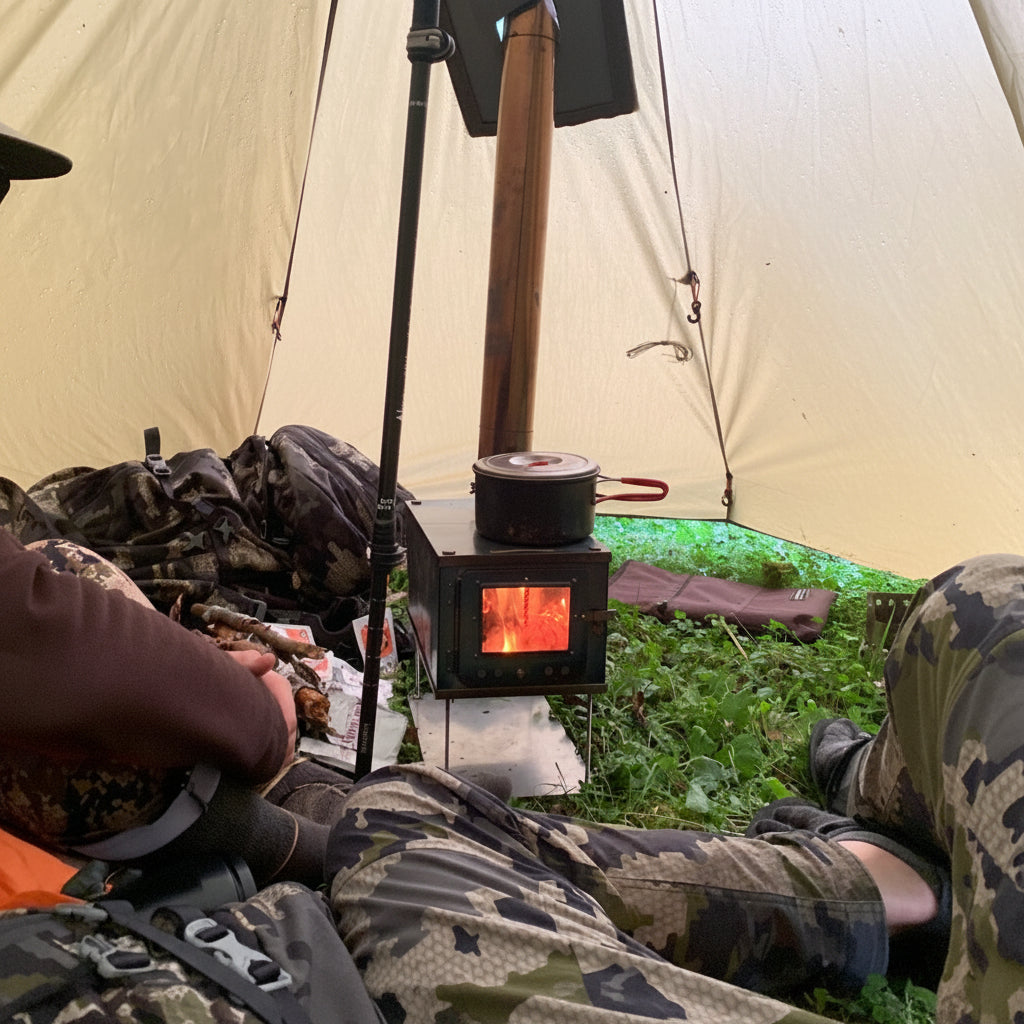
When you're planning an overlanding adventure, the setup of your campsite can make or break the experience. One of the most effective ways to create a functional and inviting base camp is to establish a communal area centered around a tent wood stove. This approach transforms a simple shelter into a gathering space where cooking, warmth, and community come together.

Why a Tent Stove Changes Everything
A quality tent stove serves multiple purposes in an overlanding camp. Beyond providing heat during cold nights, it becomes the heart of your campsite—a place where meals are prepared, stories are shared, and the day's adventures are discussed. Unlike traditional campfires, a tent stove offers controlled heat, efficient fuel consumption, leave no trace camping and the ability to cook in any weather condition. This reliability is essential when you're far from civilization and dependent on your gear to keep you comfortable and well-fed.
Designing Your Communal Shelter Layout
The key to a successful communal area is thoughtful layout. Position your shelter so the tent stove sits centrally or off to one side, with adequate clearance from fabric walls and gear. Arrange seating in a semi-circle or circle around the stove to maximize warmth distribution and encourage conversation. Consider the prevailing wind direction when orienting your shelter entrance—you want smoke to exit cleanly without blowing back into your living space.
Storage is equally important. Keep cooking supplies, fuel, and utensils within arm's reach of the stove but organized in a way that doesn't clutter your communal space. Weatherproof containers and hanging organizers help maintain order while keeping everything accessible during meal preparation.
Cooking Efficiency in Your Overlanding Kitchen
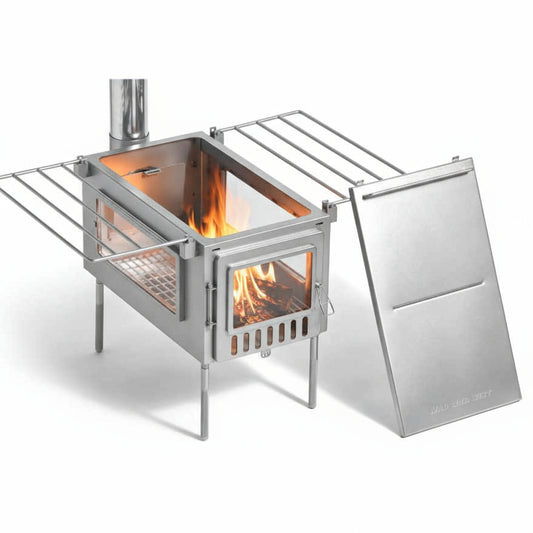
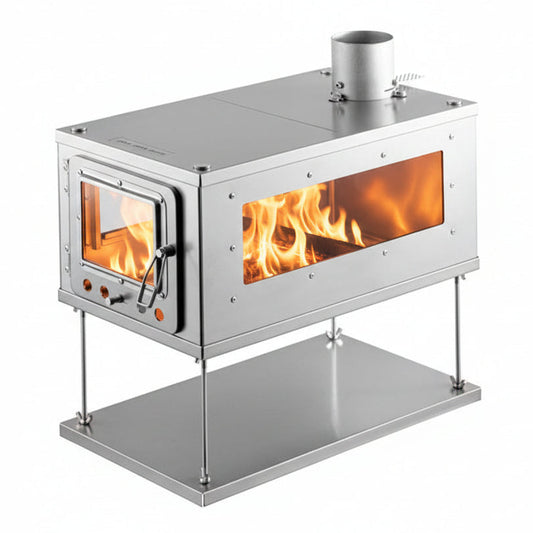
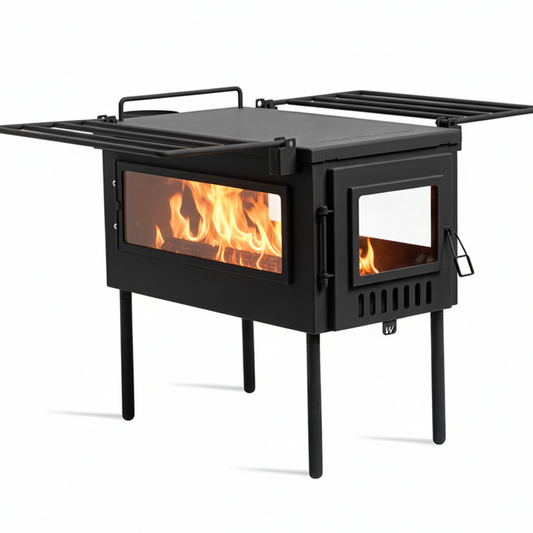
A tent stove with a flat top surface or cooking grate opens up culinary possibilities that go far beyond heating water. You can simmer stews, boil water, fry bacon, bake bread in cast iron, or brew coffee—all while staying warm and protected from the elements. The radiant heat from the stove also helps dry gear and clothing, adding another layer of functionality to your setup.
Plan your meals around what your stove can handle. One-pot dishes, cast iron cooking, and griddle-based meals work beautifully. Keep a well-organized spice kit and ingredient storage nearby so meal prep becomes part of the communal experience rather than a chore isolated from camp life.
Creating Comfort and Atmosphere
The warmth of a tent stove does more than regulate temperature—it creates atmosphere. The gentle glow and ambient heat encourage people to linger, relax, and connect. Add comfortable seating like camp chairs or cushions, and consider soft lighting from lanterns or string lights to extend your communal hours into the evening. This transforms your overlanding camp from a purely functional base into a destination in itself.
Leave No Trace Camping with Your Wood Stove
One of the greatest advantages of using a tent stove in your overlanding setup is its alignment with Leave No Trace principles. Traditional campfires leave visible scars on the landscape—blackened rocks, ash deposits, and charred ground that can take years to recover. A wood stove contained within your shelter eliminates these impacts entirely.
When you cook and heat with a tent stove, you're burning fuel efficiently in a controlled environment, which means less wood consumption overall compared to an open fire. This reduces pressure on local vegetation and minimizes your footprint in fragile ecosystems. The ash produced can be scattered widely away from camp or packed out entirely, leaving virtually no trace of your presence.
Choose sustainably sourced firewood or bring prepared fuel from home to avoid harvesting dead wood from your campsite area. Many overlanders prefer compressed wood briquettes or kiln-dried logs (with organic binders) that burn cleaner and more efficiently than gathered wood. This approach respects the environment while ensuring reliable heat and cooking capability regardless of local conditions.
By centering your camp around a wood stove rather than a traditional fire ring, you're making a conscious choice to enjoy the wilderness responsibly. Your communal gathering space becomes a model of sustainable camping—warm, functional, and kind to the land you're exploring.
Safety and Maintenance Considerations
Proper ventilation is non-negotiable. Ensure your shelter has adequate airflow to prevent carbon monoxide buildup, and always follow manufacturer guidelines for stove placement and clearances. Regular inspection of your stove's chimney pipe, spark arrestor, and connections keeps everything running safely and efficiently. Keep a fire extinguisher or water nearby, and establish clear protocols with your group about stove operation and fuel storage.
A well-designed overlanding shelter with a tent stove at its center elevates your camping experience from survival to genuine comfort. It's where meals become feasts, cold nights become cozy gatherings, and your campsite becomes a true home away from home.