Firewood Consumption for Tent Wood Stoves Overnight Hot Tent Camping
How Much Firewood Does a Tent Wood Stove Burn Overnight?
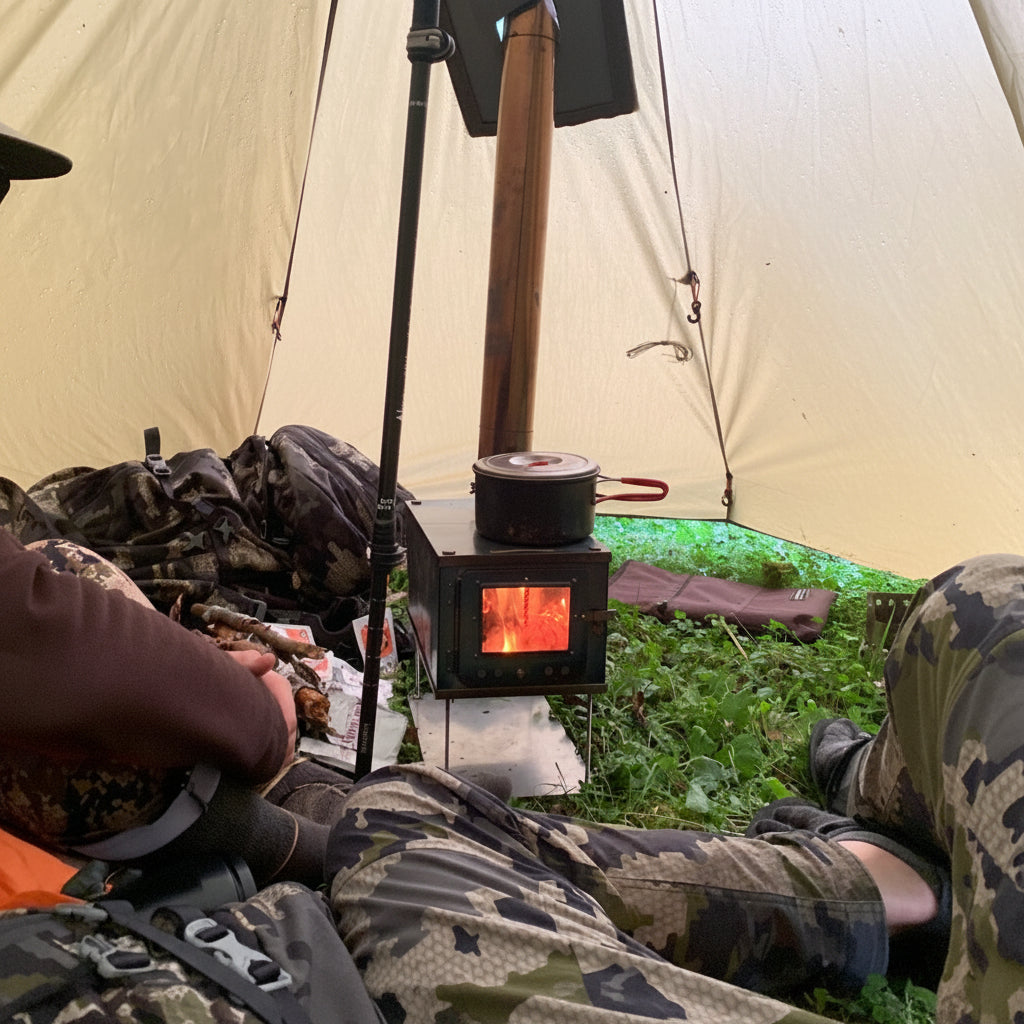
One of the most common questions from hot tent campers is how much firewood they'll need to keep warm through the night. The answer depends on several factors, but understanding the variables will help you pack the right amount of wood for your next trip.

Factors That Affect Firewood Consumption
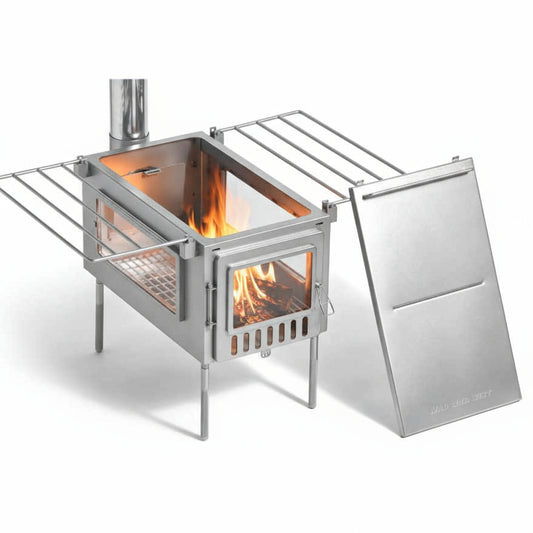
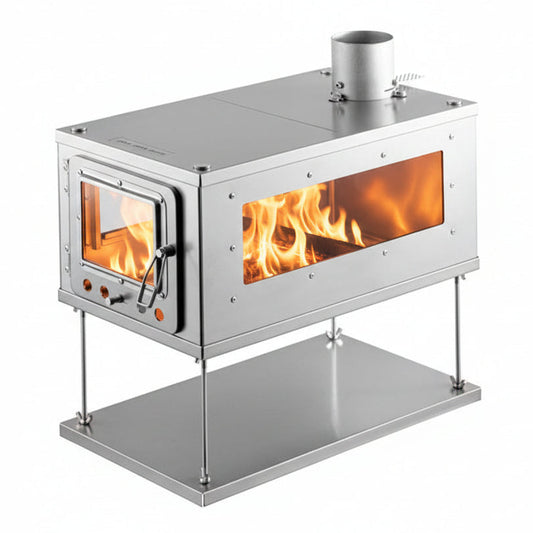
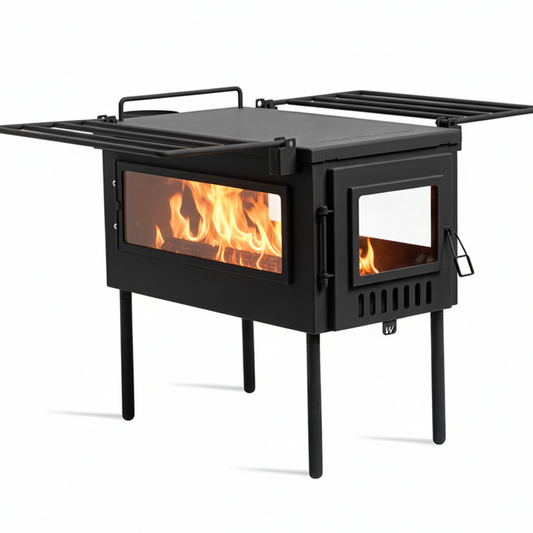
Stove size and design plays a major role in how efficiently your tent stove burns fuel. Larger stoves with better insulation and airflow control tend to burn more wood overall, but they also heat larger spaces more effectively. A compact stove designed for ultralight camping will consume less wood than a heavy-duty model built for extended trips in extreme cold.
Outside temperature is perhaps the biggest variable. On a mild 40°F night, you'll burn significantly less wood than on a freezing 0°F night. The colder it gets, the more fuel your stove needs to maintain a comfortable interior temperature.
Tent size and insulation matter too. A well-insulated canvas hot tent retains heat much better than a thin nylon shelter. Smaller tents also heat up faster and require less continuous fuel to maintain warmth.
Wood quality and moisture content directly impact burn time. Dry, seasoned hardwoods like oak and maple burn longer and hotter than wet or softwood. Wet wood wastes energy as moisture evaporates, forcing you to use more fuel to achieve the same heat output.
Typical Overnight Consumption
Most hot tent campers report burning between 15 to 40 pounds of firewood per night, depending on conditions. On moderate nights with temperatures in the 20–40°F range, expect to use around 20–25 pounds. In extreme cold below 0°F, consumption can climb to 35–40 pounds or more.
If you're running your stove continuously through an 8-hour night, that translates to roughly 2–5 pounds per hour. Some campers use a "load and let it burn" approach, adding wood strategically to maintain coals rather than a roaring fire, which stretches your supply further.
Tips to Reduce Firewood Consumption
Use dry, seasoned hardwood whenever possible. Split wood smaller than you think you need—it ignites faster and burns more completely than large logs.
Manage your airflow by adjusting dampers and vents. A slower, controlled burn produces steady heat and uses less wood than rapid, hot fires that burn through fuel quickly.
Insulate your tent with quality canvas or add thermal layers inside. Better insulation means your stove works less hard to maintain warmth.
Position your stove strategically in the center of your tent to distribute heat evenly and reduce cold spots that tempt you to add more wood.
Plan Ahead for Your Trip
When packing for a multi-night camping trip, aim to bring 25–30 pounds of firewood per night as a baseline, then adjust based on the forecast and your stove's efficiency. It's better to have extra wood than to run short on a cold night. Many experienced hot tent campers also scout their campsite for dead wood they can gather to supplement their supply.
Understanding your stove's appetite for fuel helps you pack smarter, camp more comfortably, and enjoy longer nights in the backcountry.