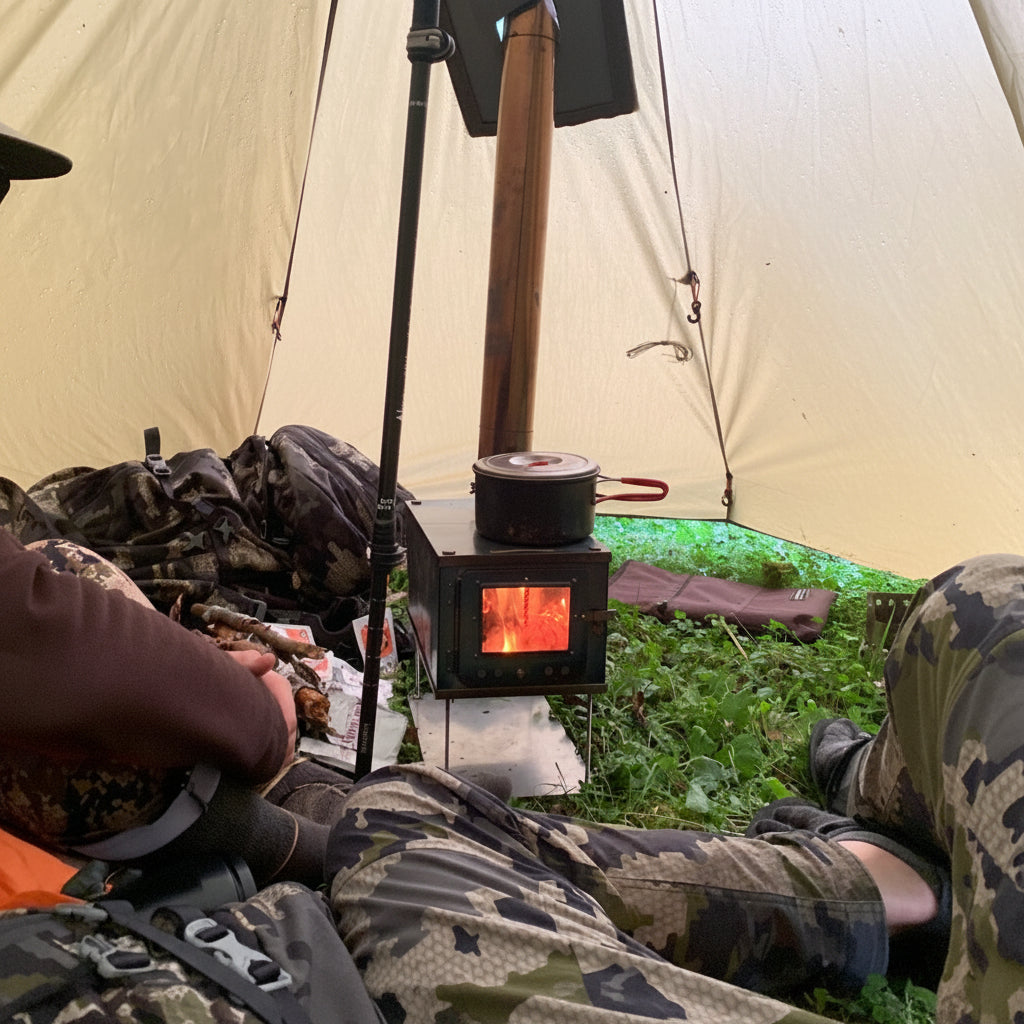
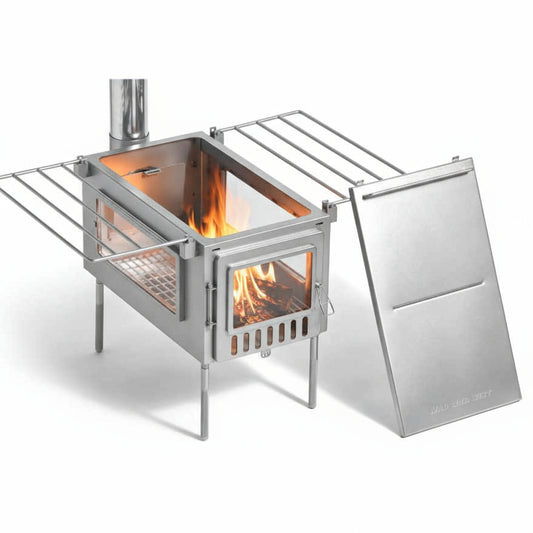
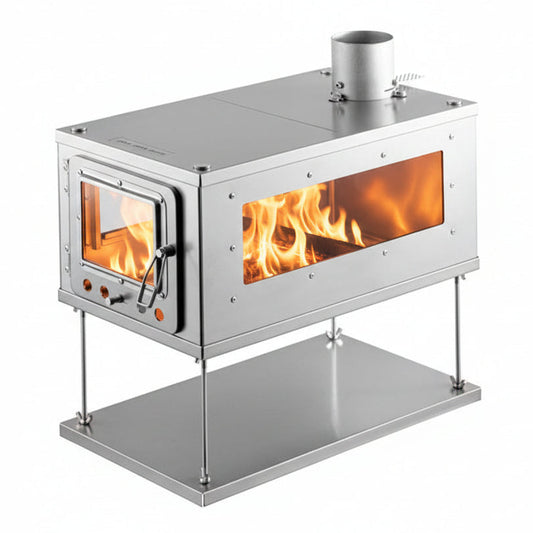
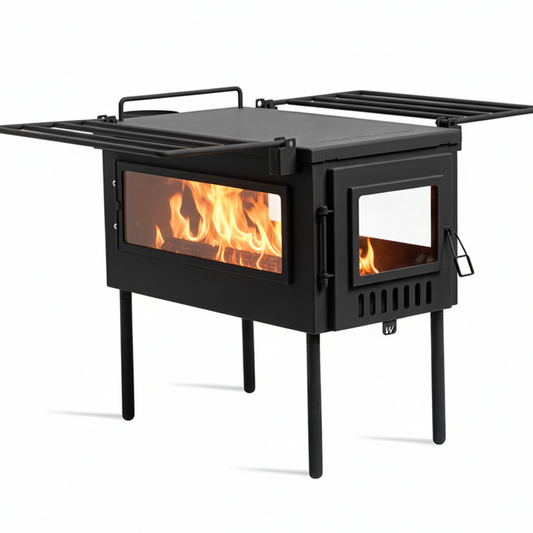
Packing Up a Tent Wood Stove When Leaving Camp
Packing up your hot tent wood stove properly ensures it stays in good condition for your next adventure and prevents damage during transport. Here's a step-by-step guide to safely break down and pack your stove when it's time to leave camp.

Let the Stove Cool Completely
Before touching anything, give your stove plenty of time to cool. Even if the fire has been out for a while, metal components retain heat longer than you'd expect. Wait at least 30 minutes after extinguishing the fire, or longer in cold weather. A cool stove is safer to handle and won't damage your gear or burn your hands.
Remove Ash and Debris
Once cool, carefully remove any remaining ash from the firebox. Use a small tool or brush to sweep out loose ash into a designated ash container or fire pit. Don't leave ash inside the stove, as moisture can cause rust during storage. Wipe down the interior surfaces with a dry cloth to remove fine dust and particles.
Disassemble the Chimney
If your stove has a removable chimney pipe, start from the top and work downward. Gently twist and pull each section apart, being careful not to force connections. Lay each piece on a clean surface as you remove it. If sections are stuck, apply gentle pressure and slight rotation rather than pulling hard—forcing them can bend or dent the pipes.
Clean the Exterior
Wipe down the outside of the stove body and all chimney sections with a dry cloth. Remove any soot, condensation, or debris. If you're in wet conditions, pay extra attention to moisture that could promote rust. A quick wipe-down now prevents corrosion during storage and transport.
Inspect for Damage
Before packing, take a moment to check all components for cracks, dents, or loose parts. Look at seams, joints, and the firebox interior. Catching damage early helps you address it before your next trip and prevents small issues from becoming bigger problems.
Pack Strategically
Store the stove body and chimney sections in a protective bag or case designed for your model. If you don't have a dedicated case, wrap each piece in a blanket or foam padding to prevent dents and scratches. Keep the stove separate from wet gear to minimize moisture exposure. Store all small parts—grates, dampers, and hardware—in a labeled bag so nothing gets lost.
Store in a Dry Location
Once packed, keep your stove in a cool, dry place until your next trip. Avoid damp basements or unheated garages where condensation can form. Proper storage extends the life of your stove and ensures it's ready to perform when you need it.