Rainy Floorless Tent Camps: How-to Choose the Right Campsite
Choosing the right campsite for a rainy floorless tent camp is one of the most critical decisions you'll make in the field. Without a floor to protect you from ground moisture, your shelter's performance depends almost entirely on site selection and water management. The difference between a dry, comfortable night and a soggy, miserable one often comes down to understanding how water moves across terrain, recognizing drainage patterns, and positioning your tent strategically.
This guide walks you through the key factors that determine whether a location will keep you dry during heavy rain. From evaluating soil composition and slope to identifying natural windbreaks and avoiding hazards, you'll learn how to read the landscape like an experienced backcountry camper. Whether you're new to floorless tents or refining your site-selection skills, these principles will help you make confident decisions in any weather condition.

Understanding Drainage and Ground Conditions
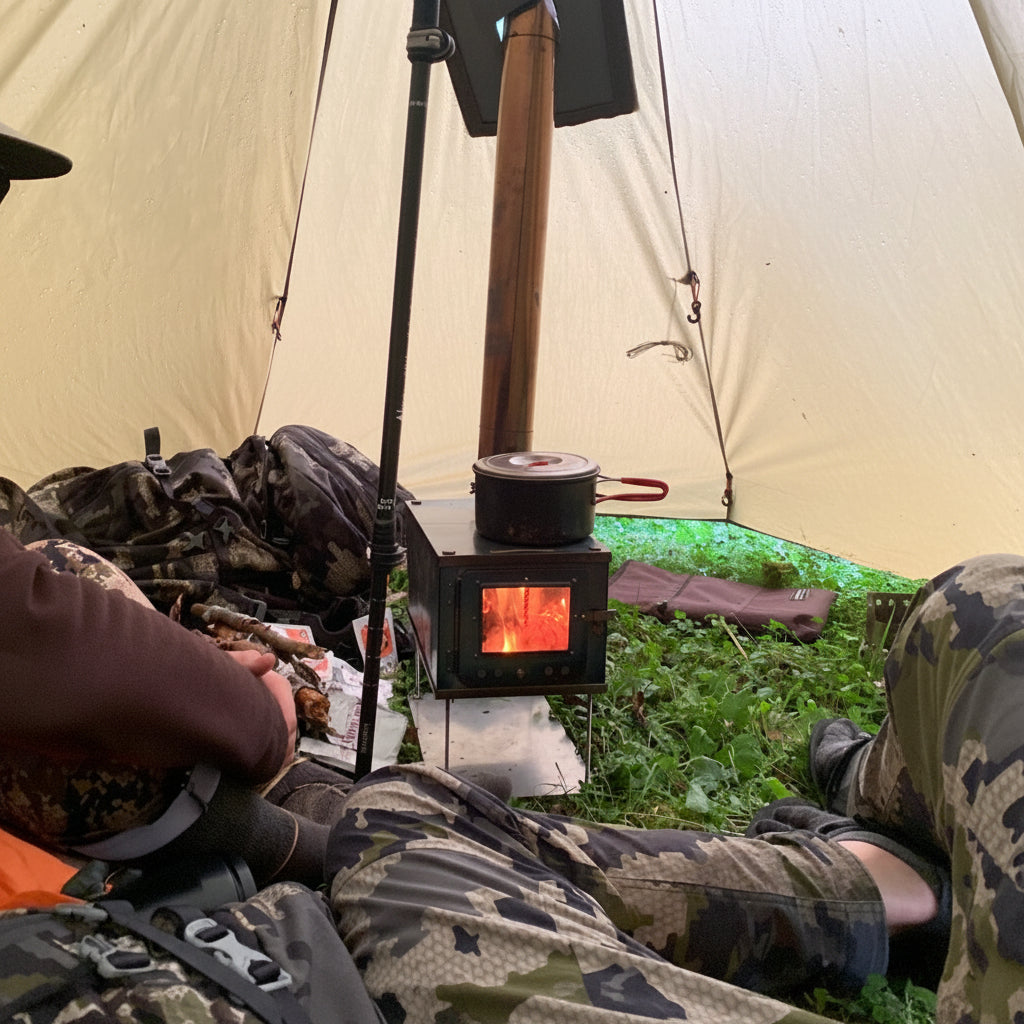
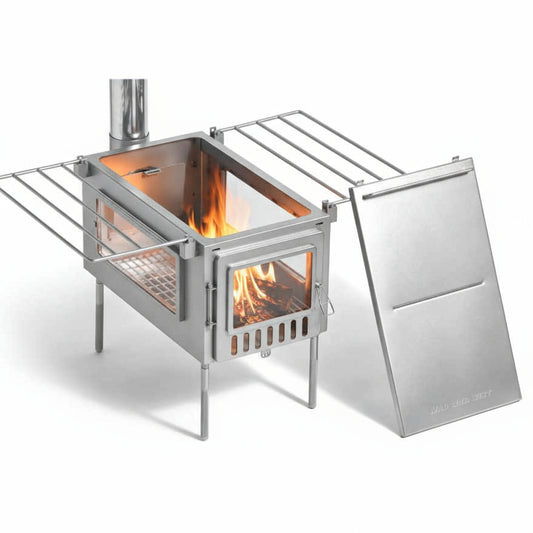
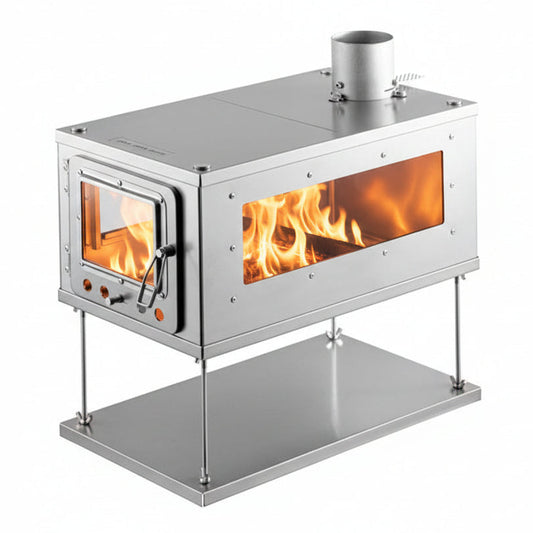
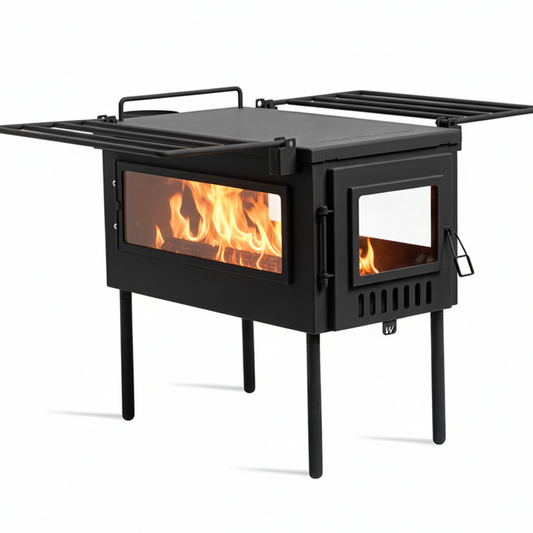
The foundation of a successful rainy floorless tent camp starts long before you pitch your shelter, especially if you plan on running a tent wood stove. When water falls, it flows downhill and pools in low spots—so your first priority is selecting terrain that naturally sheds water away from your campsite. Look for gentle slopes rather than flat ground, and avoid areas at the base of hills or near natural drainage channels where runoff concentrates. Even a subtle grade of just a few degrees makes a significant difference in keeping your tent dry.
Soil composition matters just as much as slope. Sandy or gravelly ground absorbs and drains water quickly, while clay-heavy soil becomes slick and waterlogged. If you're camping in an unfamiliar area, dig a small test hole with your boot heel—if water pools in it within seconds, that spot isn't ideal for a floorless setup. Rocky ground offers excellent drainage but can be uncomfortable to sleep on; consider a thicker sleeping pad or ground tarp to cushion the surface.
Vegetation and Natural Windbreaks
Dense vegetation serves multiple purposes in wet conditions. Trees and shrubs slow wind-driven rain, reduce the velocity of water hitting your tent, and their canopy intercepts moisture before it reaches the ground. However, avoid camping directly under dead branches or in areas where water drips heavily from leaves after rain stops. Position yourself slightly offset from the densest foliage to gain protection without the constant drip.
Grass and low vegetation also improve drainage by breaking up water flow and allowing it to percolate into soil rather than rushing across the surface. Avoid camping in areas with thick moss or spongy ground cover, as these trap moisture and prevent proper drainage beneath your tent.
Proximity to Water Sources and Hazards
While fresh water is essential, camping too close to streams, lakes, or rivers during rainy weather is risky. Water levels rise quickly during heavy precipitation, and what seems like a safe distance in dry conditions can become dangerous. A general rule is to camp at least 200 feet from water sources, and further if the terrain suggests rapid runoff patterns. Scout the area during daylight to identify how water moves across the landscape.
Similarly, stay clear of gullies, ravines, and areas prone to flash flooding. Even if rain isn't falling directly on your camp, water from higher elevations can channel downward unexpectedly. Look for signs of previous water flow—scoured earth, debris lines, or eroded banks—to identify problem areas.
Tent Placement and Orientation
Once you've selected your general campsite, fine-tune your tent's exact position. Orient the entrance away from prevailing wind and rain direction if possible, reducing the chance of water blowing into your shelter. Position the tent so that any water flowing across the ground passes to the side or behind it, not directly underneath.
Testing Your Setup Before Nightfall
Always arrive at your campsite with enough daylight to assess conditions and make adjustments. Set up your tent, then observe how water behaves during the first light rain or use a water bottle to simulate rainfall patterns around your shelter. This gives you time to relocate if needed before darkness falls and conditions worsen. Pay attention to where water pools, where it drains, and whether your chosen spot remains dry during the test.
A floorless tent demands more attention to site selection than traditional tents, but the reward is a lighter, more versatile shelter that performs exceptionally well when positioned correctly. Take time to read the landscape, trust your observations, and don't hesitate to move if something doesn't feel right.