Should You Buy a Collapsible Tent Wood Stove?
A collapsible tent wood stove can be a game-changer for your camping setup, but whether you should buy one depends on your camping style, frequency, and priorities. Let's break down the key considerations to help you make an informed decision.

What Makes a Collapsible Tent Wood Stove Worth It
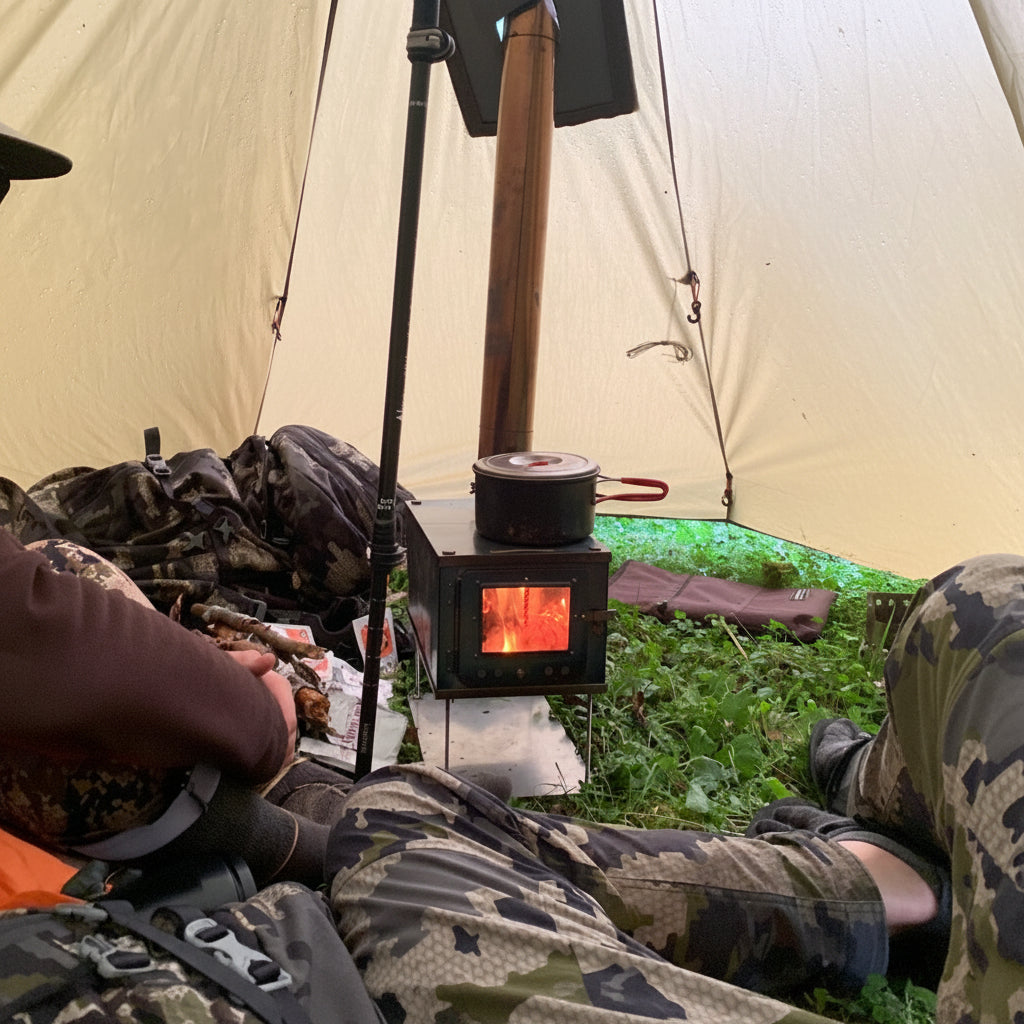
If you camp in cold weather or spend extended time in the backcountry, a quality wood stove transforms your experience. These stoves provide reliable heat without relying on fuel canisters, keep your tent dry by eating tent condensation, and create a cozy gathering space. They're also incredibly efficient—a small amount of wood can heat a tent for hours, making them economical for frequent campers.
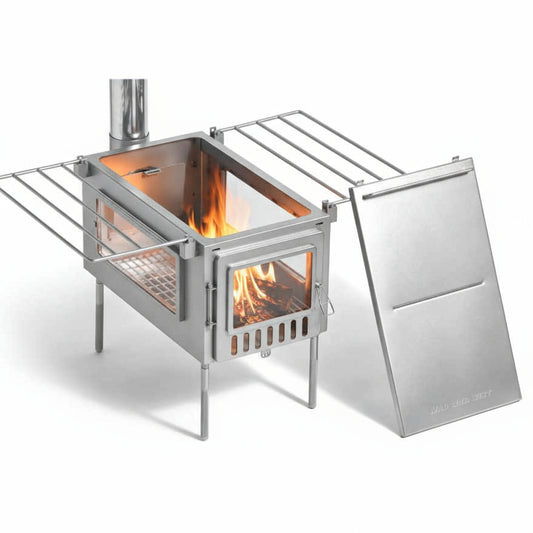
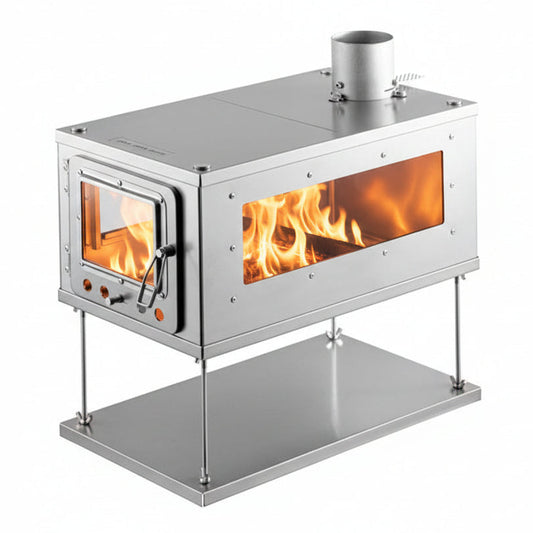
Collapsible designs specifically offer portability that traditional stoves can't match. They pack down to a fraction of their assembled size, making them practical for backpacking trips where weight and space matter. If you're already investing in a quality hot tent, a matching stove completes the system and maximizes your investment.
When a Collapsible Wood Stove Makes Less Sense
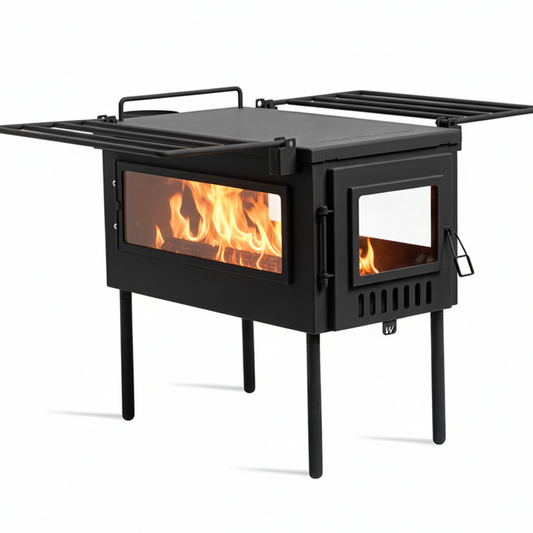
If you only camp a few times per year in mild weather, the upfront cost and learning curve may not justify the purchase. Car camping with established campgrounds might be better served by a fixed body wood stove. Similarly, if you're new to camping, starting with simpler gear and upgrading later as your skills develop is often the smarter approach.
Budget and Quality Matter
Collapsible wood stoves range widely in price and durability. A cheaper stove might deteriorate quickly because of low quality materials used in manufacturing. Investing in a well-made stove from a reputable manufacturer means better heat output, longer lifespan, and safer operation. Consider it a multi-year investment rather than a one-time purchase.
The Bottom Line
Buy a collapsible tent wood stove if you camp regularly in cold weather, value self-sufficiency, and want to maximize comfort in remote settings. Skip it if you're a casual fair-weather camper or still figuring out your camping preferences. Either way, take time to research models, read reviews from experienced users, and ensure you understand proper installation and safety practices before heading into the field.