The Science Behind Why Wood Stoves are Cozy in Tents
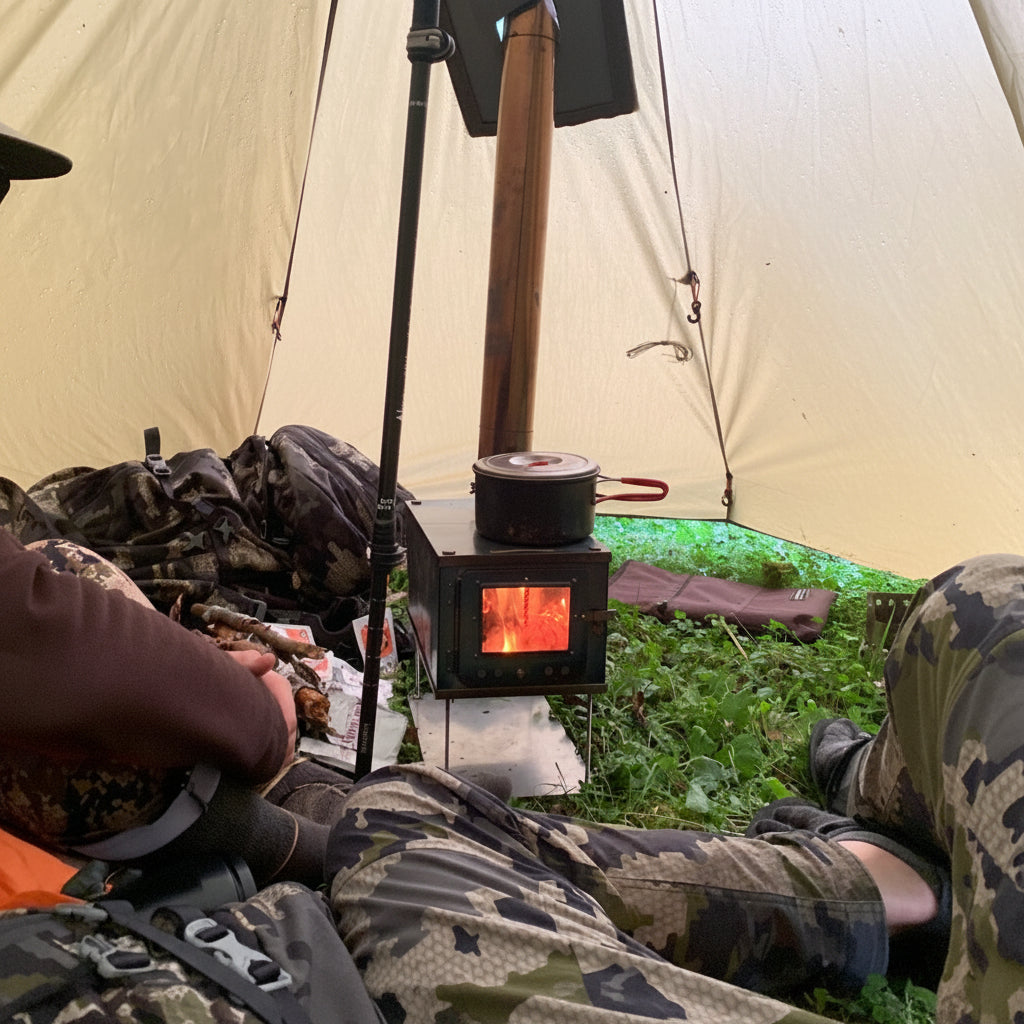
There's something undeniably magical about sitting inside a tent warmed by a wood stove. But that cozy feeling isn't just nostalgia or imagination—it's rooted in real science. Understanding the mechanics behind tent wood stove warmth can deepen your appreciation for this timeless camping experience.

Radiant Heat: The Primary Comfort Source
Wood stoves generate heat through radiation, which is fundamentally different from how central heating works in homes. When you sit near a wood stove, you're absorbing infrared radiation directly from the hot surface. This radiant energy travels in straight lines and warms objects and people it encounters, rather than heating the air first. That's why you can feel toasty even when the air temperature around you isn't extremely high—your body is receiving direct thermal energy.
This radiant warmth feels more comfortable than forced-air heating because it mimics natural sunlight. Your skin responds positively to this type of energy transfer, which is why standing near a campfire or wood stove creates that distinctive cozy sensation.
Convection: Gentle Air Circulation
While radiation does the heavy lifting, convection plays a supporting role. As air near the stove heats up, it becomes less dense and rises. Cooler air flows in to replace it, creating a gentle circulation pattern throughout the tent. This natural air movement distributes warmth more evenly than you might expect, preventing cold spots while maintaining that comfortable, breathable environment.
Unlike aggressive heating systems, this slow convection cycle feels natural and doesn't create the dry, uncomfortable conditions associated with some indoor heating methods.
The Psychological Component
Science also reveals that coziness involves more than just temperature. The flickering glow of a wood stove, the subtle sounds of burning wood, and even the faint aroma all trigger psychological responses that enhance comfort. Your brain associates these sensory inputs with safety and warmth, amplifying the overall cozy experience beyond what the thermometer alone would suggest.
Humidity and Air Quality
Wood stoves in tents create a unique microclimate. Unlike electric heaters that can dry out air, wood combustion produces water vapor as a byproduct. This maintains more natural humidity levels inside your tent, which keeps your skin and respiratory system more comfortable during extended use. Proper ventilation ensures fresh air circulation while retaining this beneficial moisture balance.
The combination of radiant heat, gentle convection, psychological comfort, and maintained humidity creates the perfect storm of coziness. It's why tent wood stoves have remained a beloved camping staple for generations—they deliver warmth in a way that feels fundamentally right to the human body and mind.