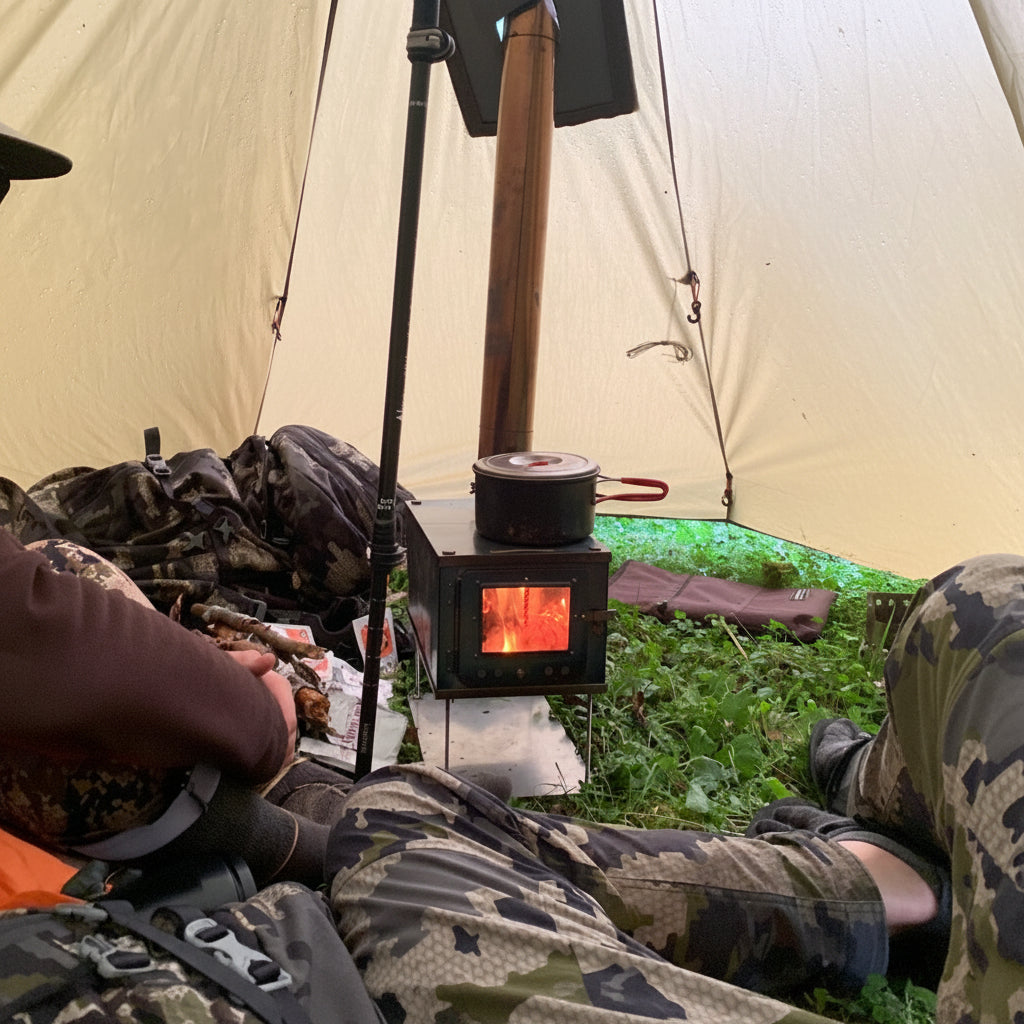
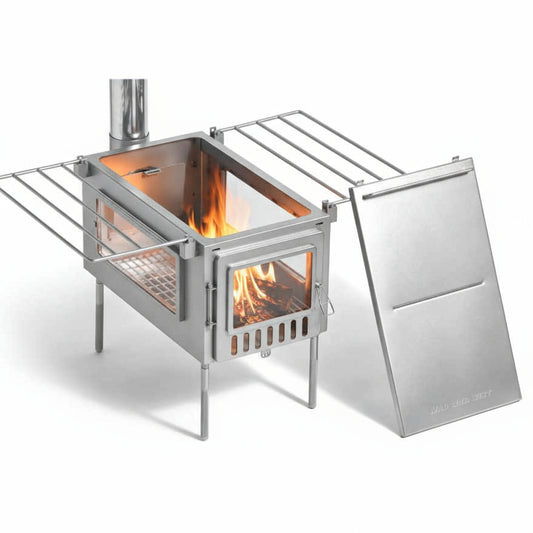
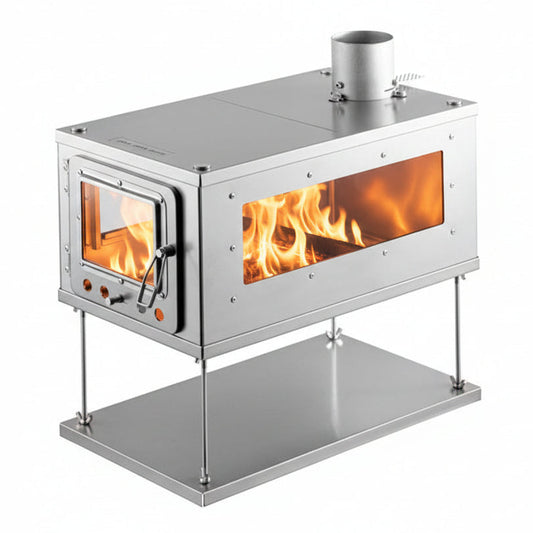
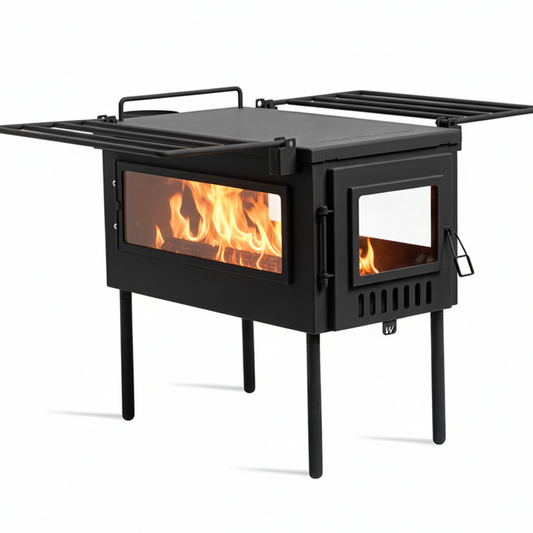
Top 3 Tent Stove Skills You Need to Practice
3 Essential Tent Stove Skills Every Winter Camper Needs
Mastering your hot tent stove separates comfortable winter camping trips from frustrating ones. Whether you're a first-time user or refining your technique, these three core skills will transform how you manage heat and fuel in the field.

1. Build a Coal Bed Before Restricting Airflow
One of the most common mistakes is closing air vents too early. A coal bed—the glowing, ash-covered coals at the bottom of your firebox—is the foundation of efficient, long-lasting heat. Without it, you'll struggle to maintain temperature and waste fuel.
Start with a solid base of coals before you even think about restricting airflow. Let your wood burn hot and establish that bed. Only then can you reduce air intake to slow the burn and extend your fuel supply. This skill alone will dramatically improve your stove's performance and your overnight warmth.
2. Burn Firewood with Low Internal Moisture
Internally wet wood is the enemy of any tent stove. High moisture content means more energy goes into evaporating water than producing heat—and you'll create excessive creosote buildup in your chimney. Dry wood burns hotter, cleaner, and more efficiently.
If you can, source properly seasoned firewood before your trip, ideally wood that's been split and dried for at least six months. If you're gathering wood in the field, look for dead wood off the ground, that snaps cleanly and has low bark. Keep your fuel dry by storing it properly at camp. This one habit pays dividends in heat output and stove longevity.
3. Avoid Overstuffing the Firebox
More wood doesn't mean more heat—it often means poor combustion, excessive smoke, and wasted fuel. Cramming your firebox creates restriction that prevents proper airflow, suffocating the fire and reducing efficiency.
Load wood strategically with space between pieces. You want air to circulate around the fuel, feeding oxygen to the flame. A properly loaded firebox burns hotter and steadier than an overstuffed one, and you'll use less wood overall to maintain your desired temperature.
Practice at Home First
Don't learn these lessons in the field on a freezing night. Set up your stove at home and practice all three skills in controlled conditions. Light fires, watch how they develop, adjust your airflow, and get comfortable with your stove's personality. Once you've mastered these fundamentals, winter camping becomes a genuine pleasure rather than a potentially frustrating test of endurance.