Ultralight Horse Pack Camping for Minimalist Backcountry Travel
Getting Started with Ultralight Horse Pack Camping
Horse packing combines the freedom of wilderness travel with the practicality of animal-assisted transport. When done ultralight, it becomes an efficient way to cover remote mountain terrain while minimizing environmental impact and maximizing comfort. Whether you're planning a multi-day adventure into alpine country or exploring backcountry trails, ultralight horse packing offers a sustainable approach to adventure.

Why Go Ultralight with Horses
Ultralight principles aren't just for solo hikers. Applying weight reduction strategies to horse packing means your animal carries less, travels faster, and experiences less fatigue over long distances. A lighter load also reduces trail impact and allows you to access more fragile ecosystems responsibly. The goal is efficiency—moving further with less strain on both horse and equipment.
Essential Gear for Ultralight Horse Trips
Start with a quality ultralight saddle designed for backcountry work. Modern synthetic saddles weigh significantly less than traditional leather while offering durability and comfort for both horse and rider. Pair this with lightweight panniers or saddlebags made from ripstop nylon or Dyneema fabric. Your shelter should be a compact, lightweight tent or tarp system. Consider ultralight sleeping systems with high-quality insulation that doesn't sacrifice warmth for weight savings.
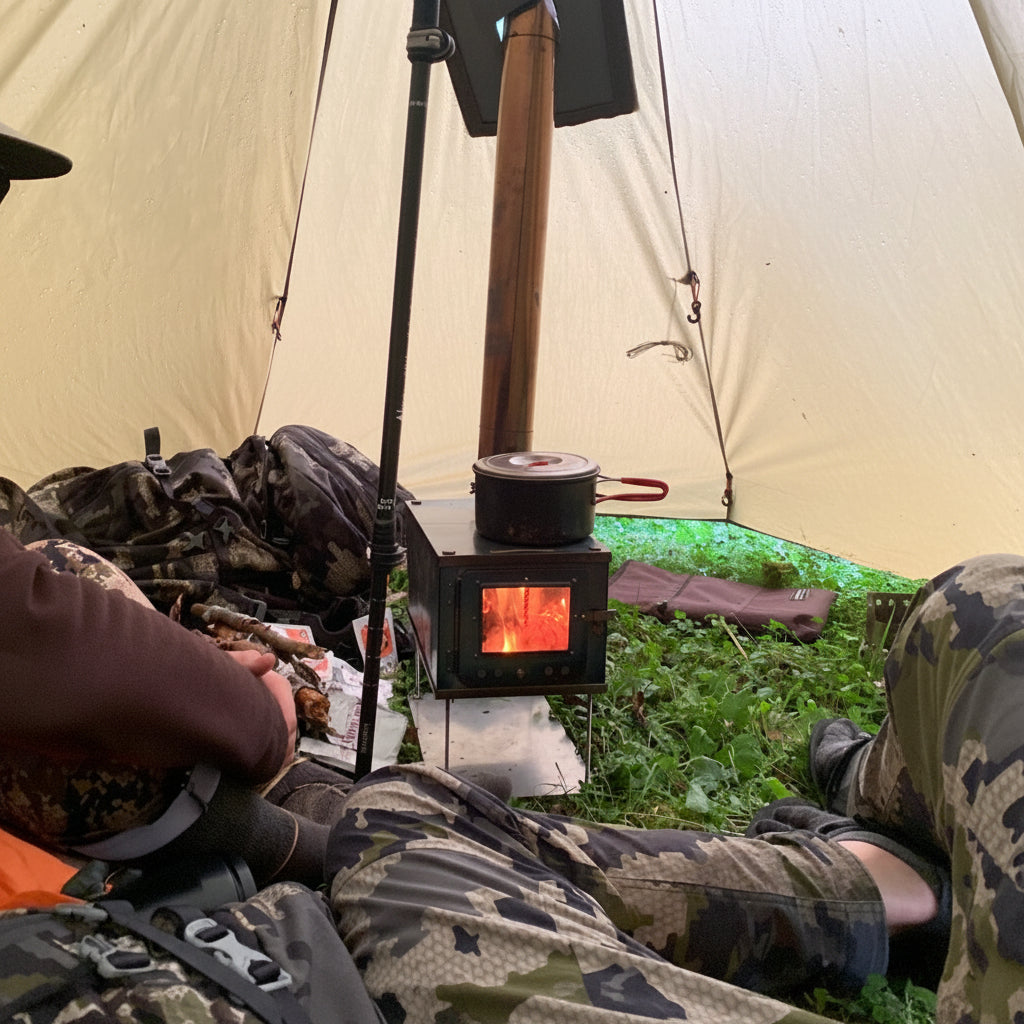
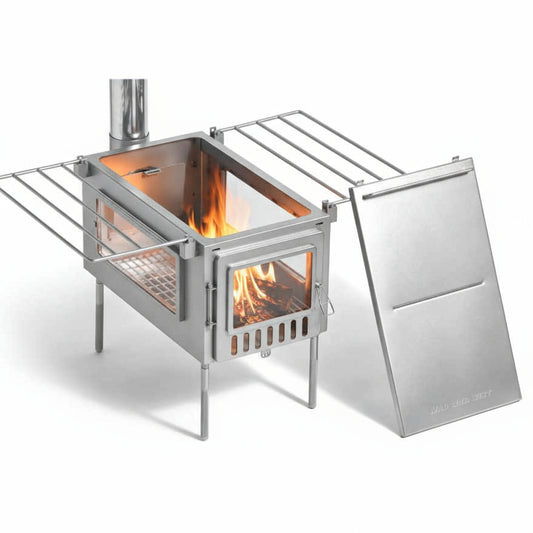
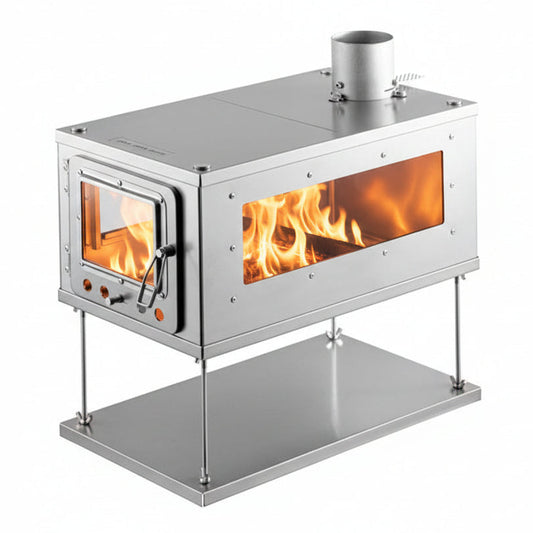
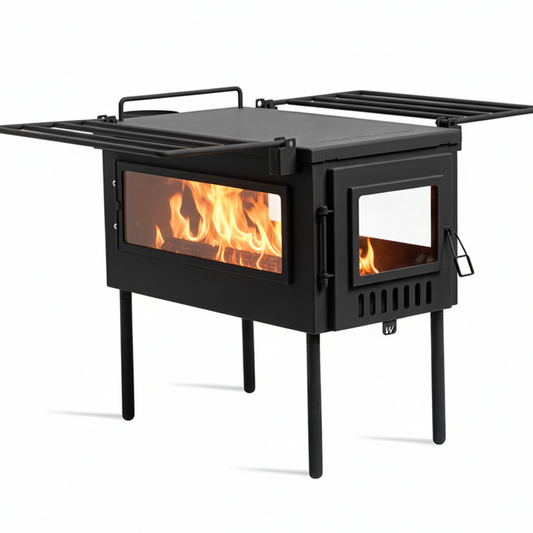
For cooking, a titanium tent stove and titanium cookware keep weight down without compromising functionality. Consolidate your gear into multipurpose items—a stuff sack becomes a pillow, a tarp serves as both shelter and ground cover. Every ounce matters when you're optimizing for distance and efficiency.
Preparing Your Horse
Not every horse is suited for ultralight mountain packing. Look for animals with good temperament, solid hoofing, and experience on trail. Condition your horse gradually, building endurance over weeks before attempting long expeditions. Proper nutrition is critical—your horse needs quality forage and supplemental grain to maintain energy on extended trips. Regular farrier work ensures hooves stay healthy and strong on rocky terrain.
Practice loading and unloading gear at home. Your horse should be comfortable with the weight distribution and movement of ultralight panniers. A calm, well-trained animal makes the entire experience safer and more enjoyable.
Planning Your Route and Pacing
Ultralight horse packing allows you to cover 15-25 miles per day comfortably, depending on terrain and conditions. Plan routes that balance distance with adequate water sources and grazing areas. Research trail conditions, elevation gain, and seasonal factors before departing. Build in rest days—your horse needs time to recover, graze, and simply be a horse.
Start with shorter trips to dial in your system. A weekend outing reveals what works and what doesn't before you commit to a week-long expedition in remote country.
Leave No Trace Principles
Ultralight packing and Leave No Trace go hand in hand. Camp on durable surfaces away from water sources. Use biodegradable soap and avoid contaminating water supplies. Minimize your footprint by staying on established trails and avoiding unnecessary vegetation damage. Respect wildlife by maintaining distance and storing food securely.
Final Thoughts
Ultralight horse packing rewards preparation and thoughtful gear selection. By reducing weight and optimizing your system, you'll travel farther, impact less, and experience wilderness in a way that respects both the landscape and your animal partner. Start small, learn your horse's capabilities, and build toward longer adventures with confidence.