Using a Tent Stove for Camp Cooking in Summer
Why Summer Camping Calls for a Tent Stove
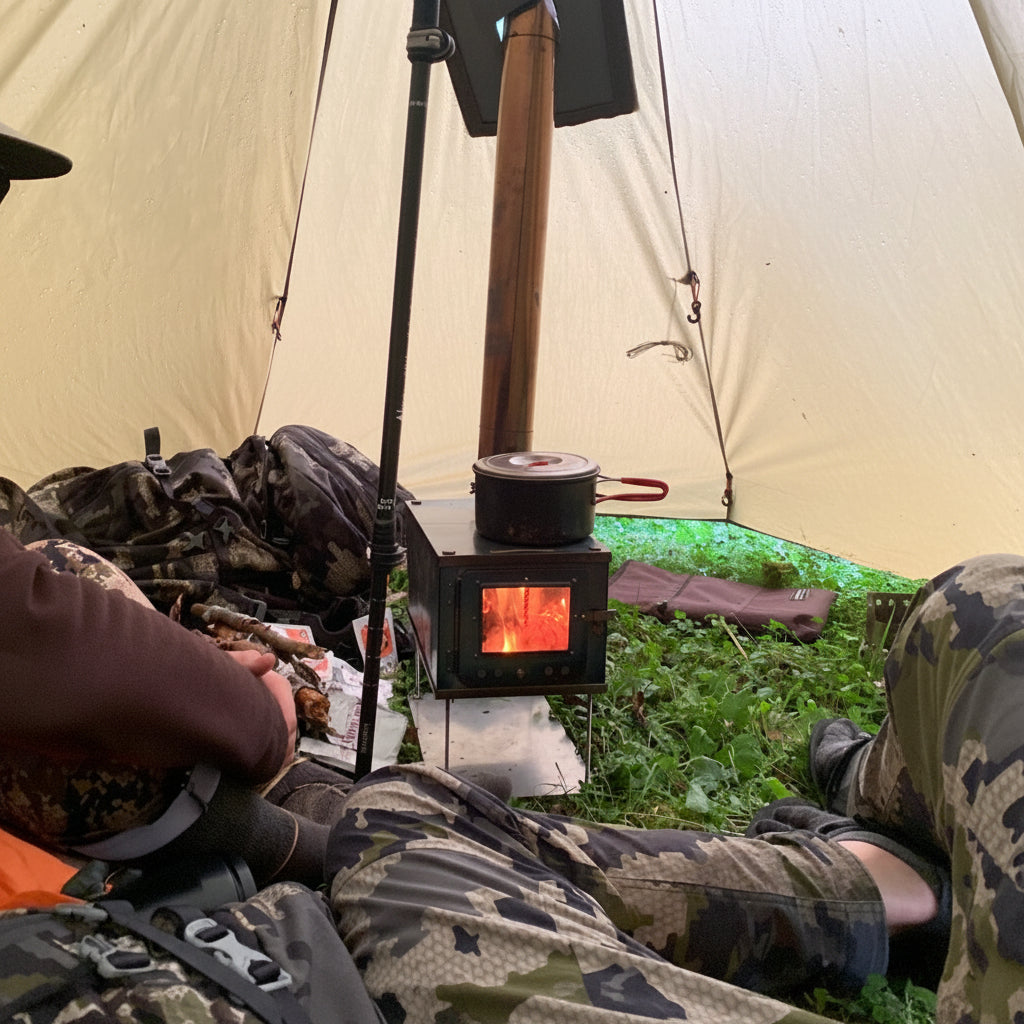
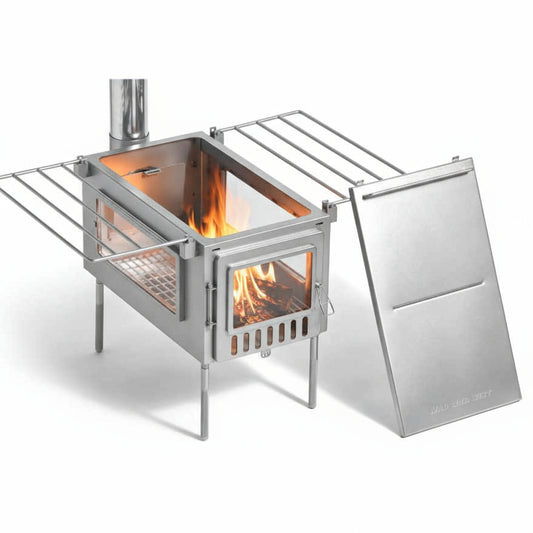
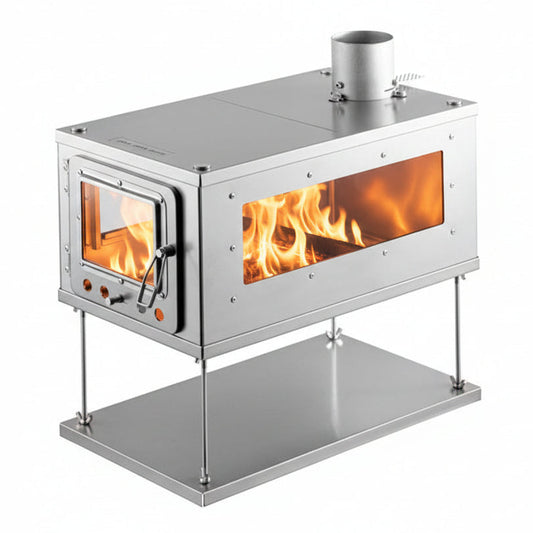
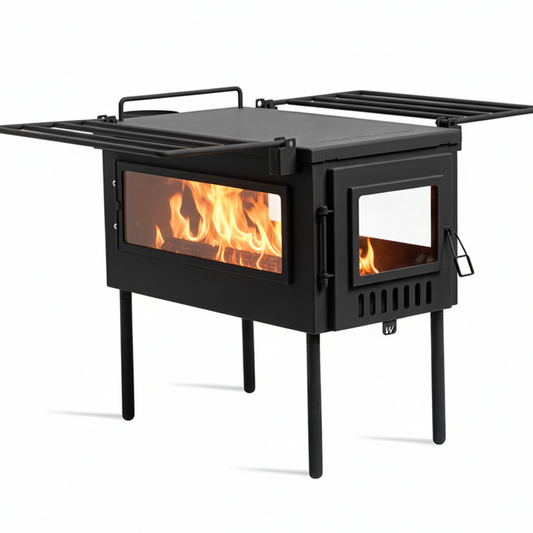
When most people think of summer camping, they picture cooking over an open campfire or using a portable camp stove. But if you're serious about backcountry cooking, a tent wood stove opens up possibilities that traditional methods simply can't match. A quality tent stove gives you reliable heat, weather protection, and the ability to prepare meals that go far beyond basic camp fare—all while keeping your cooking area dry and comfortable, even when summer storms roll through.

Temperature Control and Cooking Precision
One of the biggest advantages of cooking with a tent stove in summer is the level of control you gain. Unlike an open flame, a tent stove lets you adjust heat output by managing airflow and fuel. This means you can simmer a pot of stew, boil water for coffee, or sear meat with consistent, predictable results. Summer camping often means longer daylight hours and more ambitious meal plans—a tent stove makes it practical to execute them.
The enclosed cooking environment also protects your food and cookware from wind, dust, and unexpected weather. If an afternoon thunderstorm passes through your camp, you're still able to prepare dinner without interruption.
Wood Stove as a Campfire Restriction Replacement
Many popular camping areas now restrict or prohibit open campfires during summer months due to wildfire risk and environmental protection policies. A tent stove (with spark arrestor) offers a practical solution that lets you cook and gather warmth without violating fire bans. Because the stove contains the flame and controls combustion, it's often permitted in areas where open fires are strictly forbidden.
This makes a tent stove invaluable for summer trips to high-elevation zones, drought-prone regions, or protected wilderness areas. You maintain the experience of cooking with real wood and fire while respecting local regulations and reducing your environmental impact. Check with your specific camping area about regulations—many land managers explicitly allow enclosed wood stoves even when campfires are banned, recognizing them as a responsible alternative.
By carrying a tent stove, you're not limited by seasonal fire restrictions. You can camp confidently in peak summer season knowing you'll have a reliable cooking method regardless of current fire danger levels or local ordinances.
Fuel Efficiency in Warmer Months
Summer camping typically means milder nighttime temperatures, so you won't need a tent stove running constantly for warmth. This makes summer an ideal season to focus on using your stove purely for cooking. You'll burn less fuel overall compared to shoulder seasons, and your wood supply will stretch further. Firewood is a renewable fuel source in some locations, meaning fewer resupply stops on extended trips.
Setup and Safety Considerations
Proper installation is critical when using a tent stove for cooking. Ensure your stove is positioned on a stable, non-flammable surface away from tent walls and fabric. Always maintain adequate ventilation—crack a window or door to allow carbon monoxide and moisture to escape. Never leave a burning stove unattended, and keep a fire extinguisher or water source nearby.
Summer conditions mean you'll have better visibility for setup and safety checks. Take advantage of the longer daylight to inspect your stove, chimney, and tent seals before cooking begins.
Meal Ideas for Tent Stove Cooking
With a tent stove, your summer camp menu can expand significantly. Consider one-pot meals like chili, curry, or hearty soups that develop flavor over gentle heat. You can bake bread or biscuits using a Dutch oven placed directly on the stove. Coffee and tea taste better when heated slowly rather than rushed over a camp stove. Slow-cooked stews and braises become feasible on multi-day trips, transforming basic ingredients into memorable meals.
Maintenance and Care During Summer Use
Summer is an excellent time to inspect and maintain your tent stove. Check the chimney for blockages, test door seals, and clean out ash buildup from previous seasons. If you're using your stove regularly throughout the summer, empty ash after each use to maintain airflow and heat efficiency. Store your stove in a dry location between trips to prevent rust and corrosion.
A well-maintained tent stove will serve you reliably for decades, making summer camping more comfortable and your cooking more enjoyable. Whether you're on a weekend trip or an extended expedition, a tent stove transforms how you approach camp meals.
Leave No Trace Campfire Alternative
Leave No Trace principles emphasize minimizing your impact on wilderness areas, and a tent stove aligns perfectly with this outdoor ethic. Open campfires leave visible scars on the landscape—blackened rocks, ash deposits, and compacted soil around fire rings. A tent stove eliminates these impacts entirely. You cook and heat with contained fire that leaves no trace on the land.
Ash from your stove can be scattered widely or packed out, rather than concentrated in a fire ring that takes years to recover. For campers committed to responsible outdoor recreation, a tent stove is the most conscientious cooking choice available.
Summer trips to pristine backcountry areas become guilt-free when you're using a stove instead of building a campfire. You can enjoy the warmth and ritual of wood fire cooking while knowing you're leaving the landscape exactly as you found it.