Verify Materials Used in Tent Wood Stove Before Purchasing
When shopping for a tent wood stove, the materials used in its construction directly impact durability, heat efficiency, and safety. Before making a purchase, it's worth understanding what goes into these stoves and why material quality matters for your camping setup.

Metal Grade and Thickness
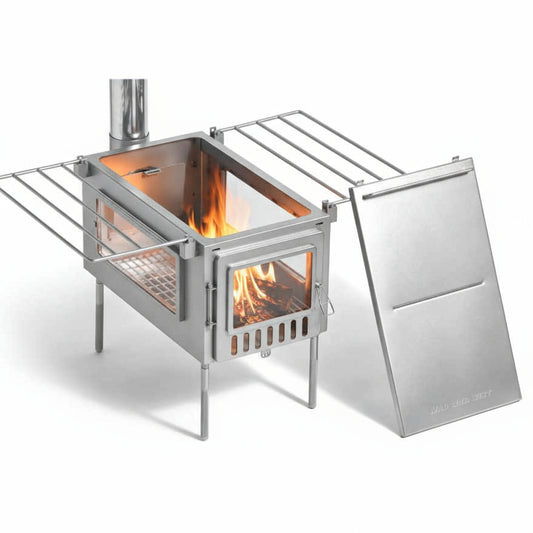
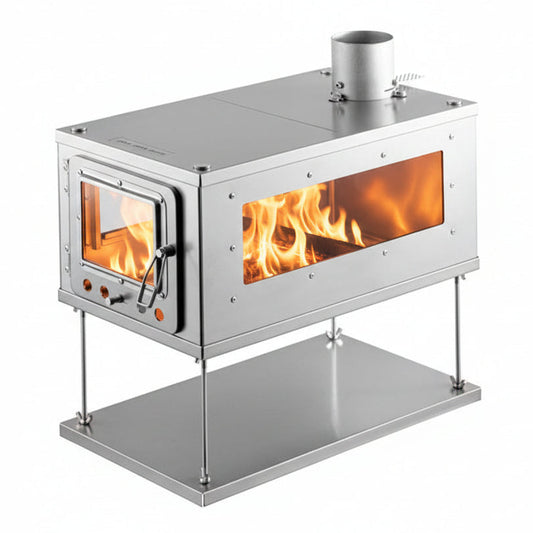
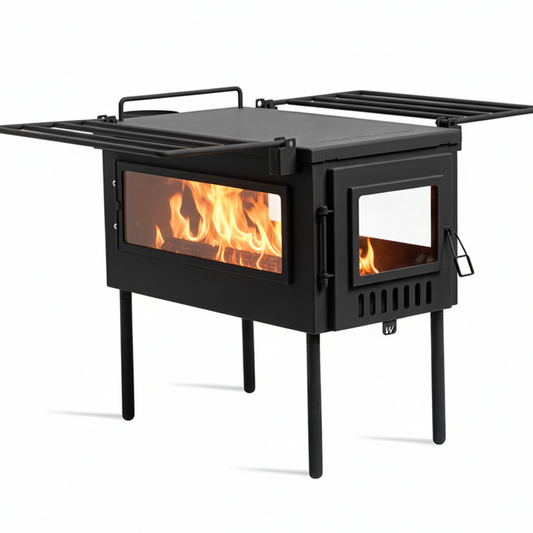
The body of most quality tent wood stoves is made from steel or titanium, but not all materials are created equal. Thicker materials retains heat longer, distributes it more evenly, and resists warping when exposed to intense temperatures. Ask manufacturers about the specific steel grade they use. Higher-quality stoves often specify the exact composition, which indicates confidence in their product.
Grates and Internal Components
The grate that holds your firewood should be made from cast iron or heavy steel. Cast iron grates are preferred because they withstand repeated heating and cooling cycles without cracking. Check whether the manufacturer uses solid cast iron or a thinner alternative. Internal baffles and heat deflectors should also be durable materials that won't degrade over time or affect the taste of food if you're cooking on the stove.
Chimney and Pipe Materials
The chimney system should be constructed from stainless steel or titanium pipe. Stainless steel resists rust and corrosion, especially important if your stove will be exposed to moisture or used in humid environments.
Hardware and Fasteners
Bolts, hinges, and handles should be made from stainless steel or high-quality steel that won't rust. Stainless steel hardware is worth the investment, particularly if your stove will be stored outdoors or used in wet conditions. Poor-quality fasteners can seize or corrode, making your stove difficult to operate and maintain.
What to Ask Before Buying
Request detailed material specifications from the manufacturers customer service team. Ask about warranty coverage, which often reflects confidence in material quality. Check reviews from users who have owned the stove for at least a season—they'll provide honest feedback about how materials hold up over time. If possible, inspect the stove in person to feel the weight and quality of construction.
Taking time to verify materials before purchasing ensures you're investing in a stove that will perform reliably and last through many camping seasons.
Red Flags: Vague or Hidden Material Information
Not all manufacturers are transparent about what goes into their stoves. Be cautious of companies that avoid specific material details or use vague language like "premium steel" or "high-quality metals" without further explanation. Legitimate manufacturers are proud of their material choices and will provide exact specifications, grades, and sourcing information.
If a company's website or product documentation doesn't list material composition, that's a warning sign. Reach out directly to their customer service and ask for specifics. A reputable manufacturer will respond promptly with detailed answers. If they deflect, provide generic responses, or claim the information is proprietary, consider looking elsewhere. Transparency about materials is a hallmark of quality brands that stand behind their products.
Similarly, avoid stoves where the manufacturer won't discuss thickness, gauge, or construction methods. Companies hiding these details often do so because they're cutting corners to reduce costs. Your safety and the stove's performance depend on knowing exactly what you're buying.