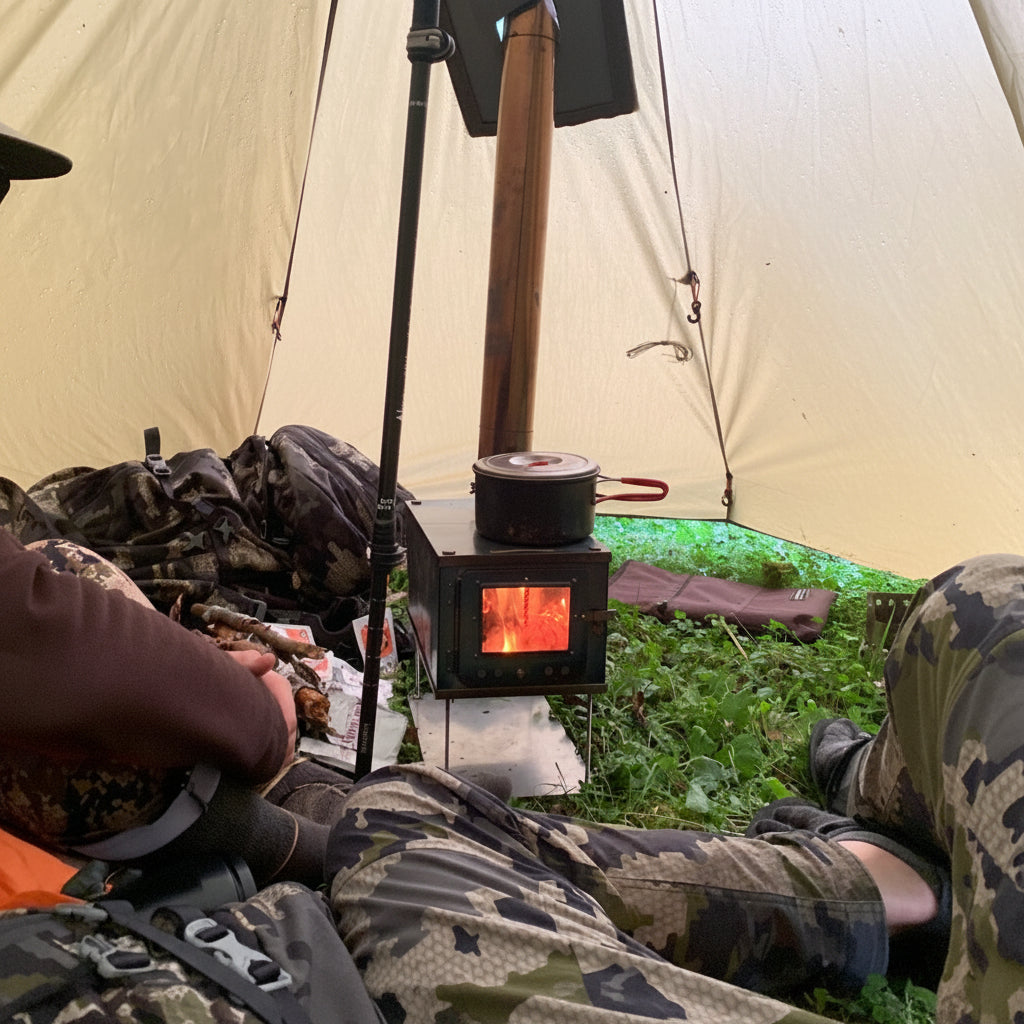
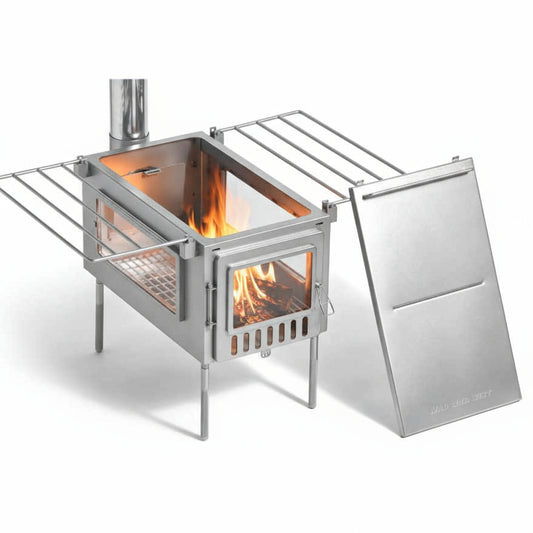
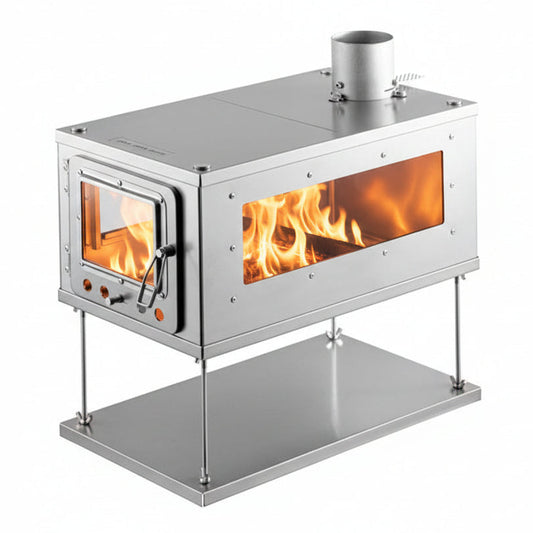
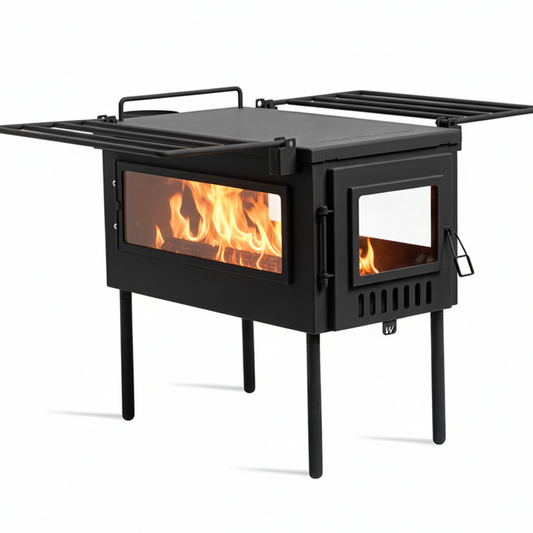
What Happens When a Tent Stove Goes Out at Night Redundancy
When Your Tent Stove Goes Out at 3 AM: Why Your Sleep System Matters
It's the middle of a winter night. The temperature outside is dropping fast. You're nestled in your sleeping bag when you realize the tent wood stove has gone cold. Your heart rate picks up. How warm is it now? How long until the inside of your tent becomes dangerously cold?
This scenario plays out more often than you'd think in winter camping, and it's a humbling reminder that your heat source is never foolproof. A stove can go out for countless reasons—a draft you didn't anticipate, fuel running lower than expected, or simply a lapse in attention during the night. What separates a scary moment from a genuine emergency is what you're sleeping in.

The Reality of Stove Failure in Winter
Hot tent camping creates a false sense of security. You show up, fire up the stove, and suddenly you're warm and comfortable. It's easy to forget that you're still in a canvas shelter in subzero conditions. The stove is a luxury, not a guarantee. When it fails—and eventually, it will—you need a backup plan, and that backup plan is your sleep system.
A stove failure at 3 AM means the tent temperature will begin dropping immediately. Without active heating, a winter tent will cool toward ambient temperature surprisingly fast. In extreme conditions, you might lose 20 or 30 degrees in an hour. If your sleep system isn't rated for the actual conditions outside, you're in trouble.
Why Sleep System Rating Matters More Than You Think
A sleeping bag's temperature rating isn't just a marketing number—it's your insurance policy. The rating tells you the lowest temperature at which that bag will keep you alive and warm enough to function. This matters enormously when your stove fails.
Here's the critical part: if you're winter camping and your stove goes out, you need a sleep system rated for the coldest temperature you might experience outside, not the cozy warmth inside your tent. That means if you're winter camping in conditions that drop to 20 below, your sleeping bag should be rated for at least that temperature, ideally lower for a safety margin.
This is where many winter campers make a dangerous mistake. They choose a bag rated for, say, 0 degrees, knowing they'll have a stove running. But the moment that stove fails—and stoves fail—they're underdressed for survival.
Building Redundancy Into Your Sleep System
The best winter campers don't just rely on a single sleeping bag. They layer their sleep system. A quality insulated sleeping pad underneath is non-negotiable—most of your heat loss happens to the ground, not the air. A pad rated for cold conditions prevents the cold from stealing warmth from below while you sleep.
Many experienced winter campers also use a sleeping bag liner, wear insulating base layers to bed, and keep a backup emergency bivy sack in their gear. These aren't paranoid measures. They're the difference between a rough night and a dangerous one when your stove stops working at 3 AM.
Choosing the Right Bag for Winter Tent Camping
When you're shopping for a winter sleeping bag, look for down insulation with a solid baffling system—it performs better in extreme cold than most synthetics. Check the temperature rating carefully. Reputable manufacturers test to standard conditions, and those ratings are your baseline. In real-world use, conditions are often harsher, so consider a bag rated 10 to 20 degrees colder than your worst expected temperature.
Fit matters too. A sleeping bag that's too big loses efficiency because you're heating dead air. A bag that's too small compresses the insulation and reduces its effectiveness. Proper fit ensures maximum warmth retention when you need it most.
The Lesson: Prepare for Failure
Winter tent camping with a stove is an incredible experience, but it requires respect and preparation. Your stove will likely run reliably night after night—but you need to plan for the one night it doesn't. A properly rated sleep system isn't paranoia. It's the foundation of safe winter camping. It's what keeps you warm and alive when things go wrong at 3 AM.
The best winter campers know that comfort comes first, but survival comes from preparation. Choose your sleep system as if the stove will fail, because someday, it might.