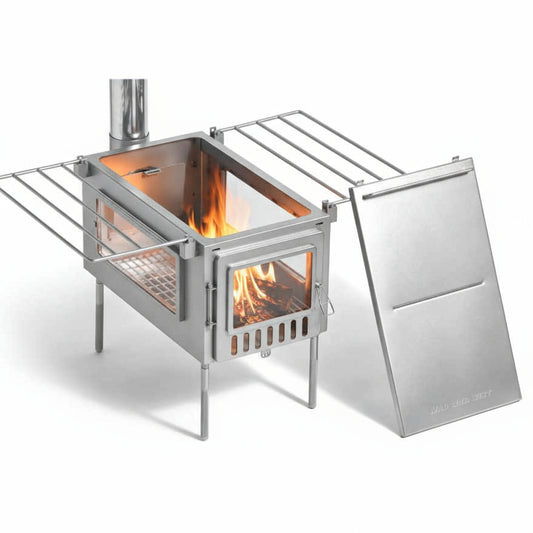
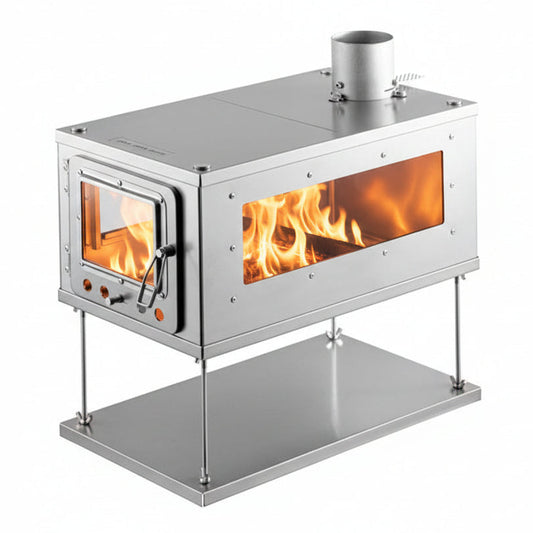
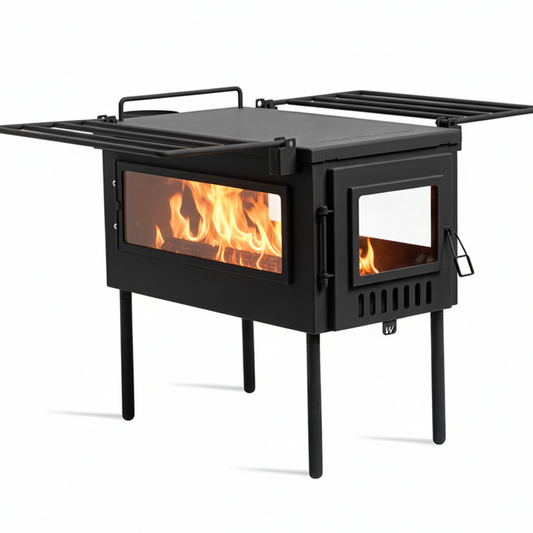
What the Difference Between a Cheap $100 Tent Stove and Others Are Explained
When shopping for a tent wood stove, you might notice significant price differences between models. A $100 stove and a $300 stove aren't just separated by brand markup—there are real, functional differences that affect performance, safety, and longevity in the field.

Material Quality and Gauge
One of the biggest distinctions comes down to metal thickness and composition. Budget stoves often use thin-gauge steel or titanium to keep manufacturing costs low. Thinner metal means the stove heats up faster initially, but it also cools down quickly and may warp or degrade under sustained high temperatures. Premium stoves use thicker-gauge materials that distribute heat more evenly and maintain structural integrity through repeated heating and cooling cycles.
Thin materials also tend to rust faster, especially if you're storing your stove seasonally or in damp conditions. A higher-quality stove resists corrosion better and lasts through multiple seasons of use.
Material Certification and Standards
Here's where budget stoves can cut corners in ways that matter for safety: some manufacturers use uncertified metals that haven't been tested for high-temperature performance. Certified metals come with documentation proving they can safely handle the specific temperatures your stove will reach. Uncertified materials might contain unexpected impurities or have unknown melting points, creating potential fire hazards or unexpected failures when the stove is in use.
Premium stove manufacturers invest in materials that meet established safety standards and can provide documentation to back those claims up.
How to Verify What You're Buying
Before committing to any tent stove purchase, always request detailed specifications directly from the manufacturer's customer service team. Ask for:
- The exact gauge (thickness) of all metal components
- The specific material composition
- Certification standards the stove meets (if any)
- Expected lifespan under normal use
A manufacturer confident in their product will provide these details readily. If they can't or won't, that's a red flag worth taking seriously before you spend your money.
The price difference between budget and premium stoves often reflects the difference between materials chosen for cost-cutting and materials chosen for durability and safety. In an environment as demanding as a winter tent, that difference can matter a lot.