What to Sleep On Inside a Floorless Tent Explained
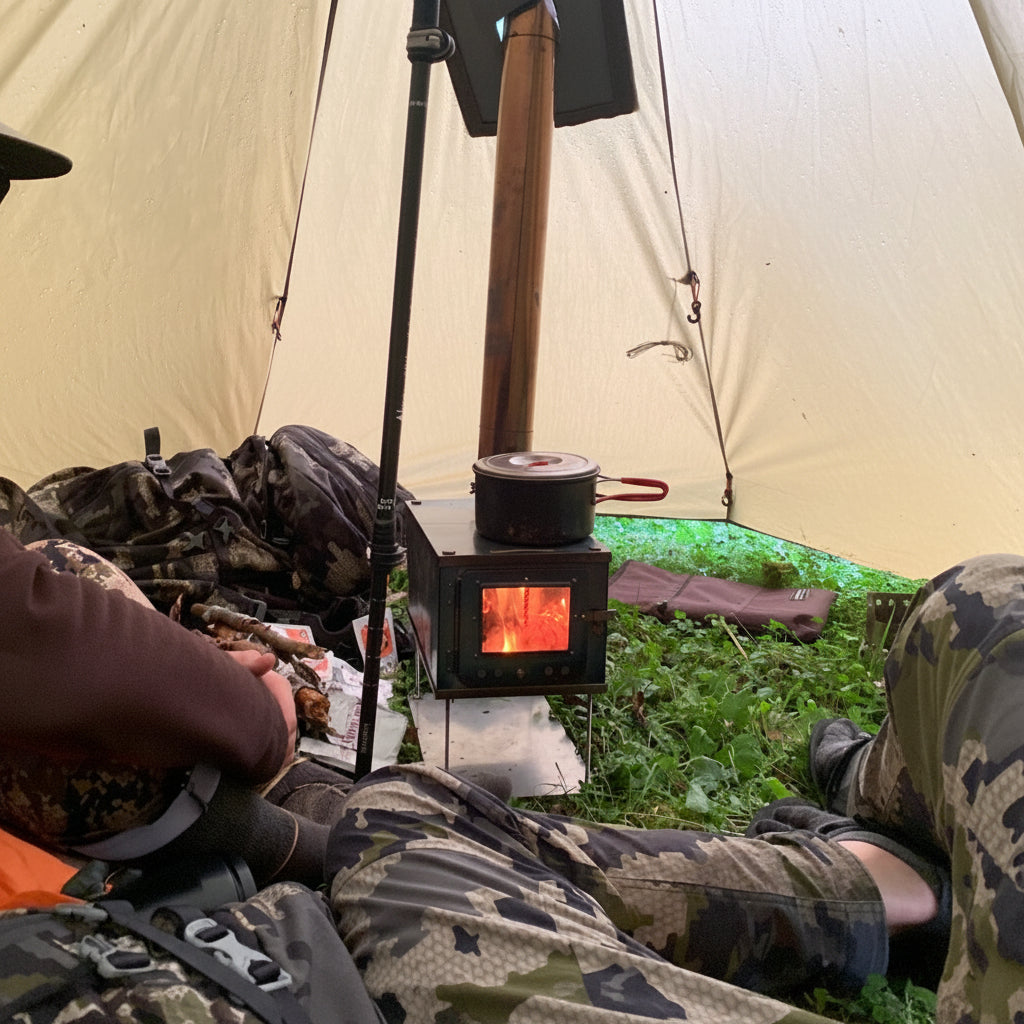
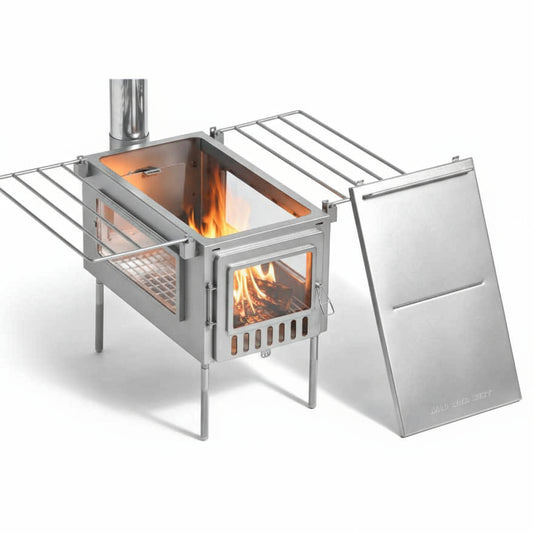
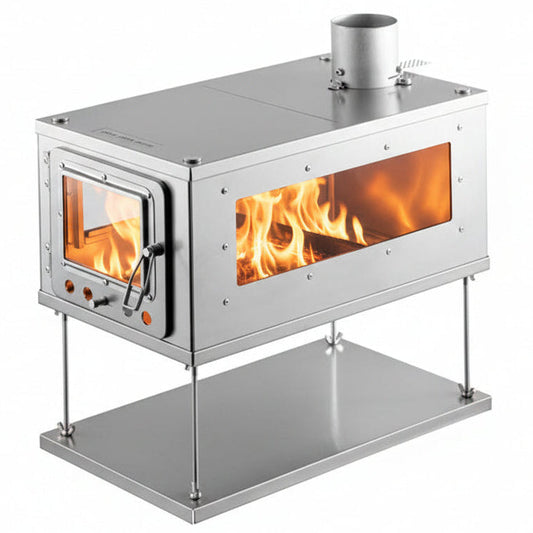
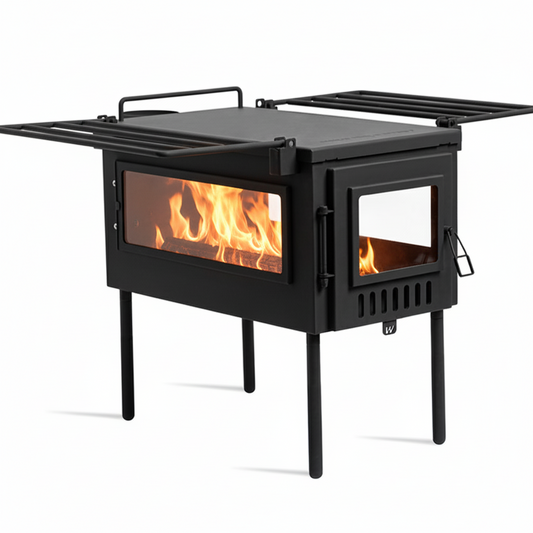
When you're sleeping in a floorless tent, what you sleep on matters just as much as what you sleep in. Without a built-in floor, you're directly exposed to ground moisture, cold, and rough terrain. The right layering system keeps you comfortable, dry, and warm through the night. Especially so when pair it with a tent wood stove.

Groundsheet: Your First Line of Defense
Start with a quality groundsheet—a waterproof fabric layer that sits between you and the bare earth. This barrier stops moisture from wicking up from the ground into your sleep system. A groundsheet also protects your sleeping system from punctures and abrasion. For a floorless tent, this is non-negotiable.
Sleeping Mats: Insulation and Comfort
On top of your groundsheet, layer your sleeping mats. In mild conditions, a single foam sleeping mat or inflatable pad provides cushioning and insulation. For winter camping or snow conditions, use two mats—the layering approach traps dead air and boosts R-value significantly. Foam mats are durable and reliable in extreme cold; inflatable pads offer packability and customizable firmness.
An insulated sleeping air pad (with high R-value ratings) is ideal if you want one compact solution. These combine the warmth of foam with the comfort of inflation, making them versatile for three-season and winter camping.
Your Sleeping Bag: The Final Layer
Top everything with a winter-rated down sleeping bag. The insulation in your bag works together with your mat system—mats prevent heat loss to the ground, while your bag traps body heat. In floorless tents, this combination is essential. Choose a bag rated for the coldest temperatures you'll encounter, as ground cold is more penetrating than air cold.
Cots: Understanding the Cold Air Trap
While cots elevate you off the ground and offer excellent comfort and packability, they come with a critical thermal trade-off. A cot suspends your sleeping bag above the ground, which means cold air circulates freely beneath you. This airflow bypasses the insulation layer you've built and pulls heat directly from the underside of your sleeping bag—the very area where your body weight compresses the insulation thinnest.
Without a sleeping mat pressed against the cot's fabric surface, you lose the dead-air insulation that mats provide. The gap between your body and the ground becomes a convection channel, allowing ground-level cold to penetrate your sleep system far more efficiently than if you were lying on an insulated pad. In winter camping or extreme cold conditions, this can mean the difference between a restful night and dangerous heat loss.
If you prefer a cot setup, mitigate this by placing an insulated sleeping pad directly on the cot surface before laying your sleeping bag on top. This blocks airflow underneath and restores the thermal barrier. Many experienced winter campers using cots add an extra high-R-value pad for this reason—the cot's elevation is preserved, but the cold-air problem is solved.
The Complete System
The layering order is simple: groundsheet → sleeping mat(s) → insulated pad (if using) → sleeping bag. This setup maximizes warmth retention and keeps moisture away from your body and gear. In a floorless tent, this system is your comfort foundation.